Climate Change and Urban Nature: Hannover's Environmental Strategy in February 2026
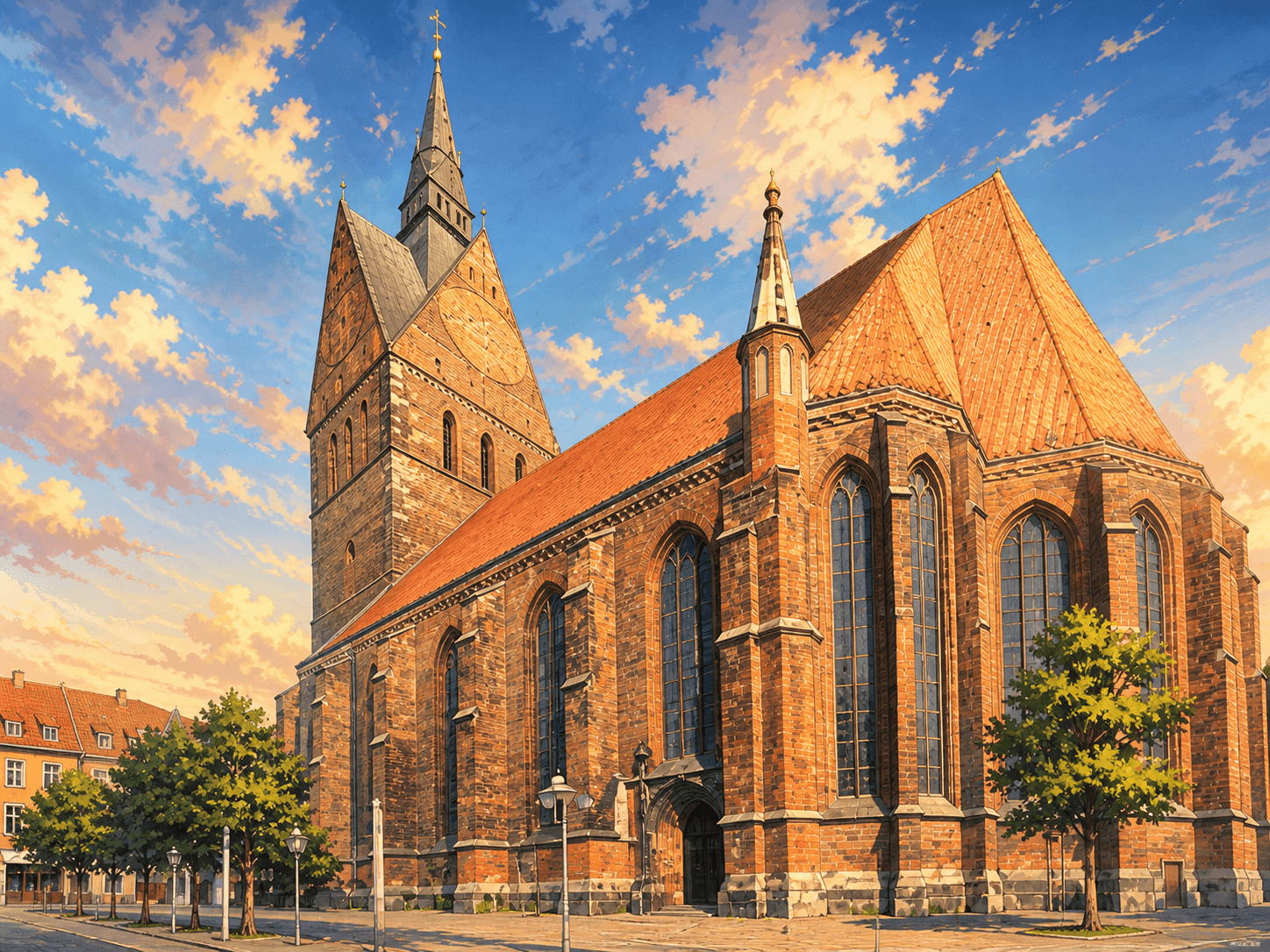
An overview of Hannover's current environmental policy in February 2026, with a focus on forest development, inclusive leisure activities, and climate-resilient infrastructure.
Climate Change, Urban Nature, and Inclusive Leisure: Hannover's Environmental Strategy in Focus
In February 2026, a wide range of decisions and initiatives in the field of environment and climate were at the forefront in Hannover. The city is pursuing a holistic strategy that combines nature conservation, climate protection, and social inclusion. Particular attention was given to the activities of the Eilenriede Advisory Committee, which is working closely with the Department of Environment and Urban Green to drive important developments forward.
Forest Development and Climate Resilience
A central topic of the Eilenriede Advisory Committee meeting was the 2025 Forest Condition Report. The report provides a comprehensive overview of the health of the Eilenriede Forest and illustrates how climate change is affecting the urban forest area. Trees on dry soils or under stress from heavy rainfall are particularly affected.
The city has already implemented measures for climate adaptation, such as diversifying tree species and creating natural water drainage systems. The 2025 report confirms that this strategy is already showing positive effects—nevertheless, the forest remains a sensitive ecosystem that requires increased protection and monitoring.
New Leadership for the Forest Station
Another focus was the presentation of the new leadership of the Forest Station. The Forest Station is a central educational and information center that offers schools, researchers, and citizens the opportunity to learn about nature and climate change. According to reports, the new leadership brings extensive experience in environmental education and the development of participatory projects. The goal is to further establish the Forest Station as a platform for climate protection activities and educational programs.
Inclusive Leisure and Barrier-Free Infrastructure
Within the context of environmental and leisure policy, the installation of an inclusive climbing device in the high ropes course at WAKITU is an important milestone. The project is part of a city initiative to make leisure activities socially and physically accessible. With the new equipment, people with disabilities and older citizens are to be more actively integrated into the leisure and movement landscape.
This project demonstrates how environmental and climate policy in Hannover is not pursued in isolation, but is closely linked to social goals. The city is thus pursuing an integrative model that makes nature experiences accessible to all population groups.
Critical Infrastructure: The Waldchaussee Culvert
Another technical and ecological focus was the berm at the Waldchaussee Culvert. This structure regulates water runoff and at the same time provides protection against flooding. However, the berm has been the subject of discussion for some time, as it is currently not accessible to certain animals and plants in its current form.
The status report presented in February shows that the city is in discussions with environmental organizations to find solutions for a more ecologically sound design. The goal is to improve access for wild animals while ensuring the function as flood protection.
Outlook: A Sustainable City for the Future
The decisions and projects in February 2026 show how Hannover is actively addressing the challenges of climate change. The city is relying on a combination of science, participation, and practical solutions. Cooperation between politics, science, and civil society is a key factor for success.
In the coming months, there will be further priorities in environmental and climate policy—including within the city's climate adaptation strategy and the expansion of the municipal climate protection program. The development of the Eilenriede Forest will remain a central indicator of the success of these efforts.
NeoSearch analyses public council documents, committee minutes and municipal announcements. Source references appear automatically once verified meeting data is available.
What does this mean for businesses?
Municipal heat planning, photovoltaics and climate measures create early project indicators. Following council decisions surfaces sites and tenders before they are publicly advertised.
Track similar decisions in your region
Set up monitoring for environment & climate in Niedersachsen — prefilled from this article.
Set up monitoring →More signals from Hannover
Sport in Hannover: Structural Realignments and Investments in April 2026
In April 2026, Hannover decided to redefine its sports promotion, make significant investments in championships, and secure the future of its ice sports infrastructure. This blog post analyzes the new principles, financial highlights, and the long-term impact on the city's sports landscape.
Read more → Culture and Community in Hannover: Support, Projects, and Debates in April 2026
In April 2026, significant decisions in the areas of culture and community were in focus in Hannover. The Cultural Committee supported innovative projects, discussed the Volunteer Card, and provided impetus for artistic exhibitions and cultural participation.
Read more → Hannover Invests Heavily in Climate Protection: Community Gardens as Key to Urban Climate Adaptation
In April 2026, Hannover presented an ambitious concept for climate protection and green space development. Central to this is the role of community gardens as multifunctional spaces for climate adaptation, biodiversity promotion, and retention.
Read more →