Hannover: Urban Development and Construction in February 2026 – Focus on Neighborhood Development, School Building, and Sustainability
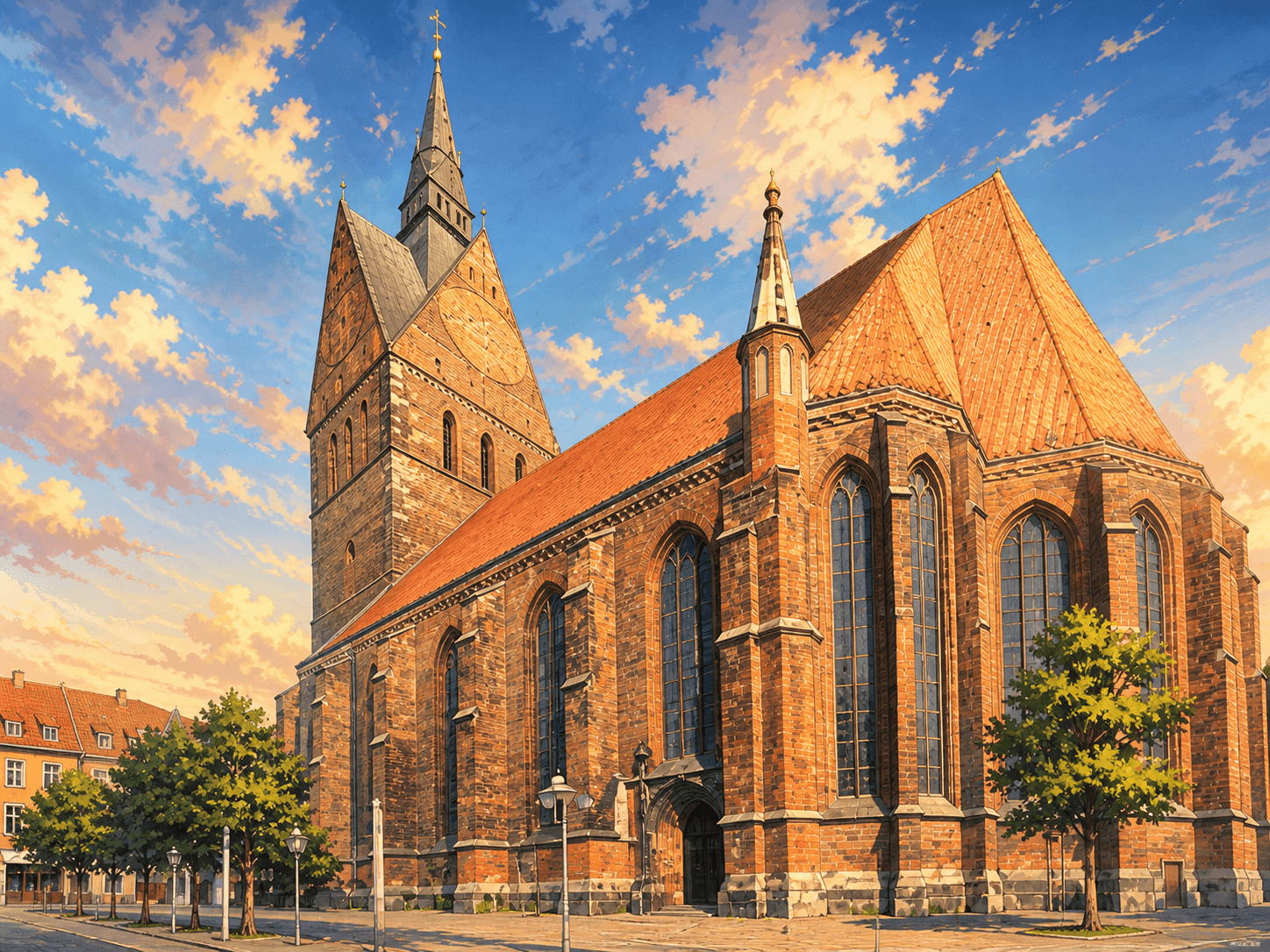
In February 2026, central topics of urban development were in focus in Hannover: neighborhood rehabilitation, school construction, cycling routes, sustainability, and social infrastructure. The Committee for Urban Development and Construction presented clear decisions and planning steps that will shape the city's future.
Neighborhood Development and Rehabilitation Projects: Stöcken in the Spotlight
Urban development in Hannover focused on neighborhood development in February 2026, particularly in Stöcken. With the partial release of the Stöcken rehabilitation area, a milestone was set. 64 hectares of the former rehabilitation area were released, while approximately 7,000 m² of area will remain for further measures until 2028.
Investments in the neighborhood totaled over 19 million euros, with funding from the "Social Cohesion" and "Vibrant Centers" programs playing a central role. Important projects such as the renovation of the Stöckener Market, the new neighborhood center, and the movement park "Park im Wald" are already being implemented. At the same time, social infrastructure has been strengthened through initiatives such as the Social Store Stöber-Treff or the Leckerhaus.
School Construction: Modular New Building Concept for Mußmanns Haube
Another central project is the construction of a new four-track full-day elementary school at the Mußmanns Haube site. The building will be equipped with a two-court sports hall and realized in a timber-hybrid modular construction method. With a completion target for the school year 2029/2030, the project is part of a comprehensive school construction program that also includes the modernization of existing buildings.
Funding will be provided through budget section 19, and a Europe-wide participation competition for the planning is in preparation. The demolition of the existing building, constructed in 1956 and not economically viable to renovate, is also planned. The construction phase will last about 15 months, with the prefabrication of modules taking place in a workshop.
Cycling Routes: SPD Inquiry on Veloroute 12 Remains Unanswered
In the context of mobility, Veloroute 12 remains a topic on the political agenda. The district council of Stöcken had passed a route proposal in 2024, but to date, no concrete implementation steps have been taken. The SPD faction asked for clarification, but the administration has not yet provided a response.
Planning for other cycling routes, such as Veloroute 03, has also advanced. The SPD faction is calling for the Laher Kamp to remain open to motor vehicles between Bothfeld and Lahe to avoid endangering the route.
Sustainability and Inclusion: Construction Planning in Line with Climate Goals
Sustainability is a central theme in construction planning. The city is relying on sustainable building materials and a long lifespan of buildings of 30–50 years. Barrier-free access and inclusion are integral parts of the planning process, with the representative for people with disabilities also being involved in the process.
Another project that combines sustainability and inclusion is the new construction of the IGS Bothfeld with an integrated neighborhood library and cultural center. The building will be realized in timber-hybrid construction and will also offer inclusive jobs for people with disabilities.
Financing and Investment Planning: 1.2 Billion Euros for Future Projects
The establishment of hanova KOMMUNAL GmbH marks a decisive development in the financing and realization of large-scale construction projects in Hannover. With an investment requirement of approximately 1.2 billion euros in the next ten years, the GmbH will be responsible for schools, accommodations for refugees, and renovations. A share capital of 25,000 euros and a liquidity guarantee of 5 million euros from the capital reserve ensure financial feasibility.
In addition, several financing decisions were made in February 2026, including the introduction of a special fund for kindergarten renovations starting in 2027. With a minimum of 5 million euros per year, the goal is to renovate kindergartens operated by the city and private providers, make them barrier-free, and implement climate protection measures.
Conclusion: Hannover is Building Sustainably and Inclusively into the Future
The decisions of Hannover's Committee for Urban Development and Construction in February 2026 show a clear focus on sustainability, neighborhood development, and inclusion. With projects such as the Stöcken rehabilitation area, the new construction of schools in timber-hybrid construction, and the establishment of hanova KOMMUNAL GmbH, the city is moving forward in a future-oriented and clear climate protection course.
The challenges in the area of cycling routes and mobile accommodations also show that more speed and transparency are often still needed in implementation. However, overall, Hannover has shown in February 2026 that it is ready to invest in its future—sustainably, inclusively, and with clear plans.
NeoSearch analyses public council documents, committee minutes and municipal announcements. Source references appear automatically once verified meeting data is available.
What does this mean for businesses?
Urban development, zoning plans and commercial settlements create early construction and supply opportunities. Following council decisions reveals projects before they go to tender.
Track similar decisions in your region
Set up monitoring for economic development in Niedersachsen — prefilled from this article.
Set up monitoring →More signals from Hannover
Sport in Hannover: Structural Realignments and Investments in April 2026
In April 2026, Hannover decided to redefine its sports promotion, make significant investments in championships, and secure the future of its ice sports infrastructure. This blog post analyzes the new principles, financial highlights, and the long-term impact on the city's sports landscape.
Read more → Culture and Community in Hannover: Support, Projects, and Debates in April 2026
In April 2026, significant decisions in the areas of culture and community were in focus in Hannover. The Cultural Committee supported innovative projects, discussed the Volunteer Card, and provided impetus for artistic exhibitions and cultural participation.
Read more → Hannover Invests Heavily in Climate Protection: Community Gardens as Key to Urban Climate Adaptation
In April 2026, Hannover presented an ambitious concept for climate protection and green space development. Central to this is the role of community gardens as multifunctional spaces for climate adaptation, biodiversity promotion, and retention.
Read more →