Hannover Invests Heavily in Climate Protection: Community Gardens as Key to Urban Climate Adaptation
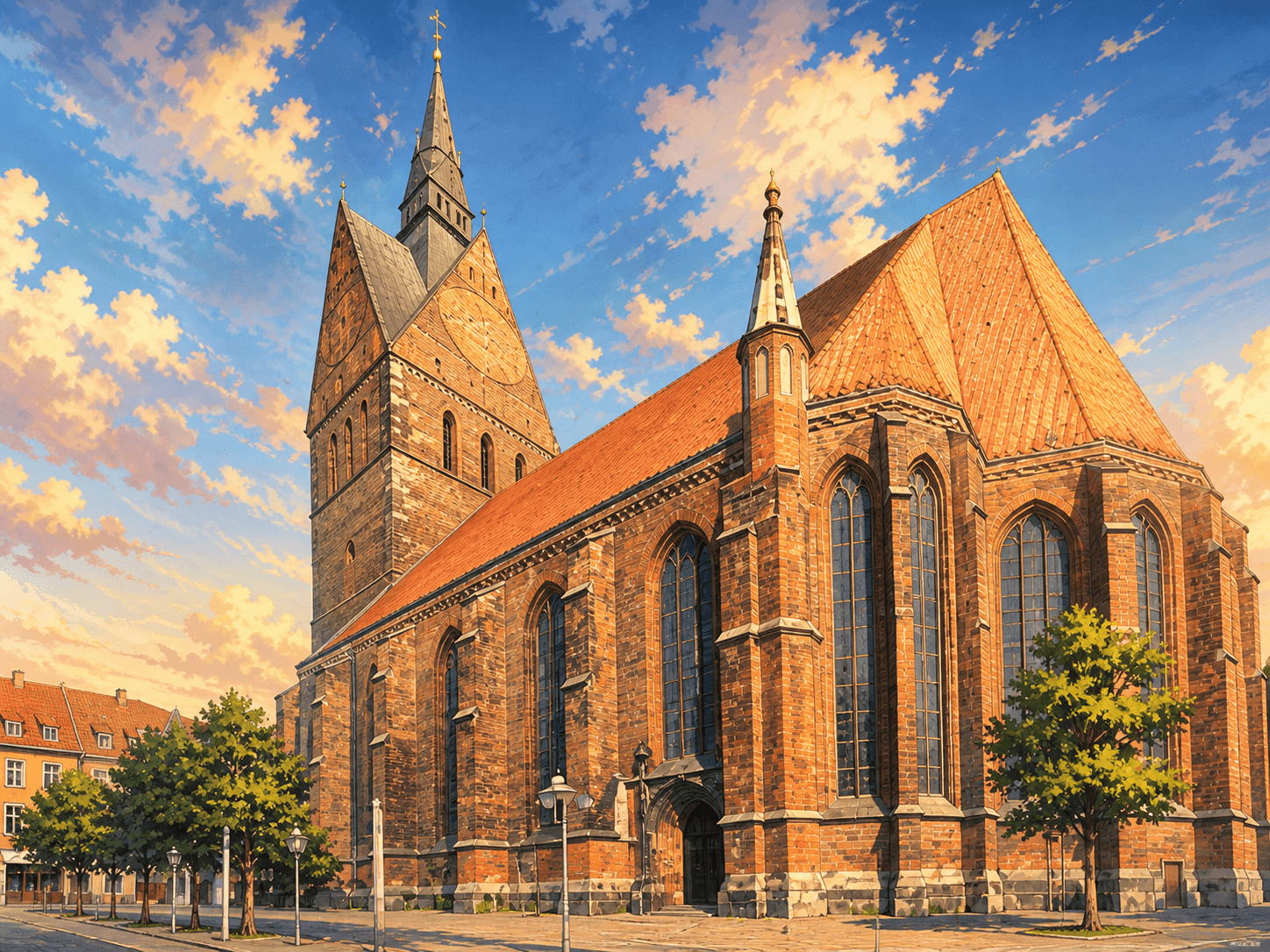
In April 2026, Hannover presented an ambitious concept for climate protection and green space development. Central to this is the role of community gardens as multifunctional spaces for climate adaptation, biodiversity promotion, and retention.
Community Gardens as Climate and Biodiversity Building Blocks in Hannover
In April 2026, the city of Hannover addressed an extensive concept for climate adaptation and green space development, which was discussed in the Committee for Environmental Protection, Climate Protection, and Green Spaces (AAUG). A central focus was the importance of community gardens as multifunctional spaces that not only contribute to social integration but also play a decisive role in climate protection.
Community Gardens as Climate Protection and Retention Areas
In Hannover, community gardens are not only recreational and harvest areas but also powerful elements of climate protection. They contribute to the cooling of the city, especially at night, and act as cold air generation zones. In addition, they play a role in the reduction of heat islands, soil drainage, and soil carbon storage. Due to the high proportion of green areas and natural materials, horticultural soils – the typical soils of community gardens – store over 86,000 tons of organic carbon, making a valuable contribution to climate protection.
With the Community Garden Development Concept 2026+ (KEK26+), the city has adopted a program that promotes infill development, ecological enhancement, and the reduction of sealing of community garden areas. The goal is to secure these areas in the long term and at the same time contribute to urban climate adaptation.
Land Use Conflict with Housing Demand
A central point of contention in the discussion was the land use conflict between community gardens and housing demand. In recent years, several community garden areas have been given up in favor of housing projects. The KGK16-25 concept originally planned for 35.56 hectares of land for repurposing. However, by 2025, only 0.92 hectares had been implemented, while 34.64 hectares were placed under a moratorium due to sufficient housing potential.
The city has now reached an agreement on a reallocation of focus: instead of further repurposing, future efforts will focus more strongly on modernization and the improvement of the existing stock. Replacement gardens must be created before repurposing in order to stabilize the green space stock.
Funding and Support
The implementation of KEK26+ is financially demanding. With a target volume of about 43 million euros (including personnel costs), the city has already invested approximately 7.3 million euros by 2025. Further projects blocked by the moratorium amount to 28.5 million euros.
The city also utilizes external funding programs such as the Federal Program "Adaptation of Urban Areas to Climate Change" and KfW programs, which can cover up to 90% of the costs for climate protection measures. These funding options are crucial to achieving the city's climate protection goals.
Ecological Measures and Collaborations
Within the framework of KEK26+, ecological enhancement measures are also planned. These include the creation of flower meadows, insect habitats, and nature-like areas. Shared areas are to be equipped with tree stands that serve as shade providers and sources of fresh air. In addition, the initial recording of all large trees in the community gardens is part of the planning.
The city collaborates with organizations such as the Insect Alliance and projects such as "Cities Dare Wilderness" to promote biodiversity in urban areas. These partnerships are an important step to establish community gardens not only as recreational areas but also as ecological key spaces.
Outlook: Community Gardens as a Future Factor for Climate and City
The decisions made in April 2026 show that Hannover is actively shaping the transition to a climate-resilient city. Community gardens are not a marginal note but a strategic building block for climate protection, biodiversity, and social integration. With KEK26+ and the focus on ecological enhancement, infill development, and replacement gardens, the city has sent a clear signal: green spaces are indispensable, and important partners in the fight against climate change.
NeoSearch analyses public council documents, committee minutes and municipal announcements. Source references appear automatically once verified meeting data is available.
What does this mean for businesses?
Municipal heat planning, photovoltaics and climate measures create early project indicators. Following council decisions surfaces sites and tenders before they are publicly advertised.
Track similar decisions in your region
Set up monitoring for environment & climate in Niedersachsen — prefilled from this article.
Set up monitoring →More signals from Hannover
Sport in Hannover: Structural Realignments and Investments in April 2026
In April 2026, Hannover decided to redefine its sports promotion, make significant investments in championships, and secure the future of its ice sports infrastructure. This blog post analyzes the new principles, financial highlights, and the long-term impact on the city's sports landscape.
Read more → Culture and Community in Hannover: Support, Projects, and Debates in April 2026
In April 2026, significant decisions in the areas of culture and community were in focus in Hannover. The Cultural Committee supported innovative projects, discussed the Volunteer Card, and provided impetus for artistic exhibitions and cultural participation.
Read more → Education Policy in Hannover: School Districts, Air Conditioning, and Digital Challenges in April 2026
In April 2026, Hannover focused on decisions regarding the reorganization of school districts, investments in air conditioning at schools, and structural challenges in the education system. This in-depth blog explores how education policy is currently being shaped in the state capital.
Read more →