Education Policy in Hannover: School Districts, Air Conditioning, and Digital Challenges in April 2026
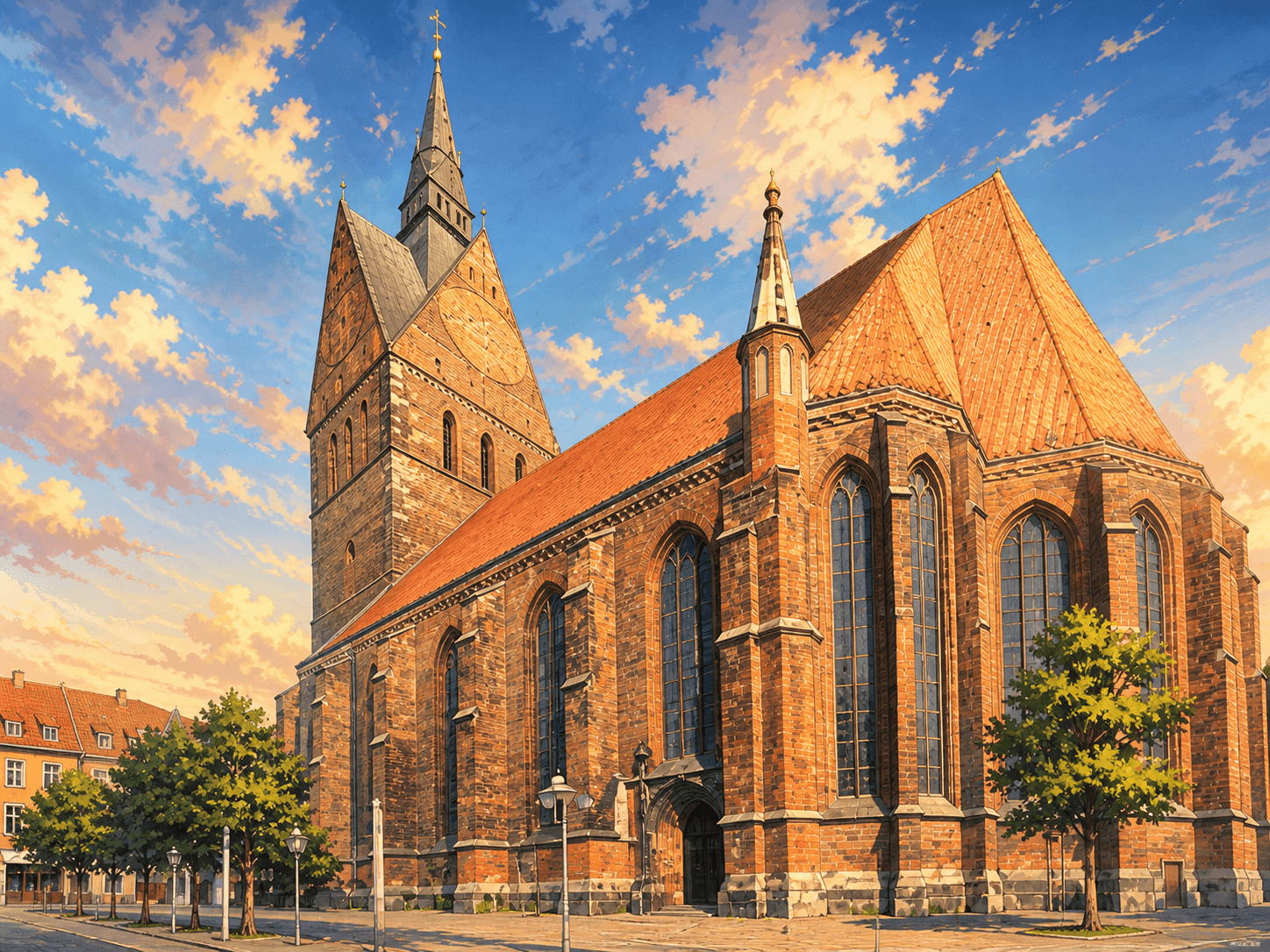
In April 2026, Hannover focused on decisions regarding the reorganization of school districts, investments in air conditioning at schools, and structural challenges in the education system. This in-depth blog explores how education policy is currently being shaped in the state capital.
Education Policy in Hannover: School Districts, Air Conditioning, and Digital Challenges in April 2026
Education policy in Hannover is in motion. In April 2026, decisions were made during several sessions that influence the spatial, infrastructural, and didactic design of the education system. Key priorities included the reorganization of school districts, investments in energy and technical infrastructure, and discussions on digital services at schools. The focus is on sustainability, equity, and adaptation to the changing conditions brought about by climate change.
School District Reforms: Moving Away from Joint Districts
In April 2026, the city of Hannover decided to reorganize primary school districts in several neighborhoods. The primary school at Feldbuschwende will now have a smaller district, reducing its size from four to three classes. At the same time, the joint primary school district of Kronsberg and Käthe-Paulus will be dissolved. Both schools will be assigned their own separate districts in the future.
These measures aim to enable a more balanced distribution of students and reduce pressure on overcrowded schools. The spatial assignments are highly detailed: building blocks will shift between the districts, which in practice will result in a reassignment of children and families. The changes will be incorporated into the Third School District Ordinance, creating a legal basis for implementation.
Air Conditioning at Schools: Investments for Better Working Conditions
While the spatial organization of schools is being redesigned, the city is also investing in the improvement of building and infrastructure conditions. An example is the air conditioning initiative at the primary school at Feldbuschwende. At a total cost of 400,000 euros, a cooling system will be installed in administrative and workspaces. The investment is necessary to comply with workplace regulations and to adapt to rising temperatures due to climate change.
Funding comes from the 2026/2027 budget, taking into account not only purchase costs but also depreciation, interest, and maintenance costs. The school itself is a relatively new building constructed for the EXPO 2000 and extended with a full-day care area in 2017. The initiative underlines the need to modernize educational institutions in terms of their physical infrastructure.
Digital Services at Schools: Microsoft 365 and Data Protection Concerns
Another key focus in Hannover's education policy was the discussion on digital services at schools. The CDU faction criticized the introduction of Microsoft 365 Education and called for a review of the decision. The reason is the existence of 60,000 incorrectly purchased licenses worth over 324,000 euros. In addition, there are concerns regarding data protection, which is why the use of these licenses is being withheld.
An alternative model using the service IServ is being discussed. The administration is asked to clarify whether Microsoft will continue to be used or whether a switch to IServ will take place. The discussion shows how sensitive topics such as data protection and digital infrastructure are in education policy – and how strongly political decisions in this area depend on technological and legal frameworks.
Guiding Decisions for the Future
The decisions made in Hannover in April 2026 show that education policy is not only about curricula but also about the spatial, infrastructural, and digital design of the educational landscape. The reform of school districts is a step toward a fairer and more efficient school organization. At the same time, it becomes clear that the effects of climate change cannot be ignored in education – making investments in air conditioning and energy-efficient buildings necessary.
In addition, digital transformation remains a central point of discussion. The decision on which technologies are used in schools has far-reaching consequences for the quality of teaching, data security, and financial sustainability. In this context, the role of politics will be crucial in setting the right course.
Conclusion: Education Policy as a Design Task
Education policy in Hannover is in a phase of adjustment and redesign. The reform of school districts, investments in air conditioning, and the discussion on digital services show that education policy is more than just lesson planning. It is a central building block for the development of a livable city that meets the needs of children, parents, teachers, and society as a whole.
In the coming months, it will be interesting to observe how the implementation of these decisions progresses and what effects they will have on education life in Hannover. The challenges are great – but so are the opportunities to shape education policy in the service of the future.
NeoSearch analyses public council documents, committee minutes and municipal announcements. Source references appear automatically once verified meeting data is available.
What does this mean for businesses?
Schools, daycare centres and public buildings create early planning and construction opportunities. Following council agendas surfaces tenders for refurbishment, new builds and fit-out months before the official award — from shell construction to specialist planning to furnishing.
Track similar decisions in your region
Set up monitoring for education & public facilities in Niedersachsen — prefilled from this article.
Set up monitoring →More signals from Hannover
Sport in Hannover: Structural Realignments and Investments in April 2026
In April 2026, Hannover decided to redefine its sports promotion, make significant investments in championships, and secure the future of its ice sports infrastructure. This blog post analyzes the new principles, financial highlights, and the long-term impact on the city's sports landscape.
Read more → Culture and Community in Hannover: Support, Projects, and Debates in April 2026
In April 2026, significant decisions in the areas of culture and community were in focus in Hannover. The Cultural Committee supported innovative projects, discussed the Volunteer Card, and provided impetus for artistic exhibitions and cultural participation.
Read more → Hannover Invests Heavily in Climate Protection: Community Gardens as Key to Urban Climate Adaptation
In April 2026, Hannover presented an ambitious concept for climate protection and green space development. Central to this is the role of community gardens as multifunctional spaces for climate adaptation, biodiversity promotion, and retention.
Read more →