Hannover in Focus: Social and Housing Policy in February 2026
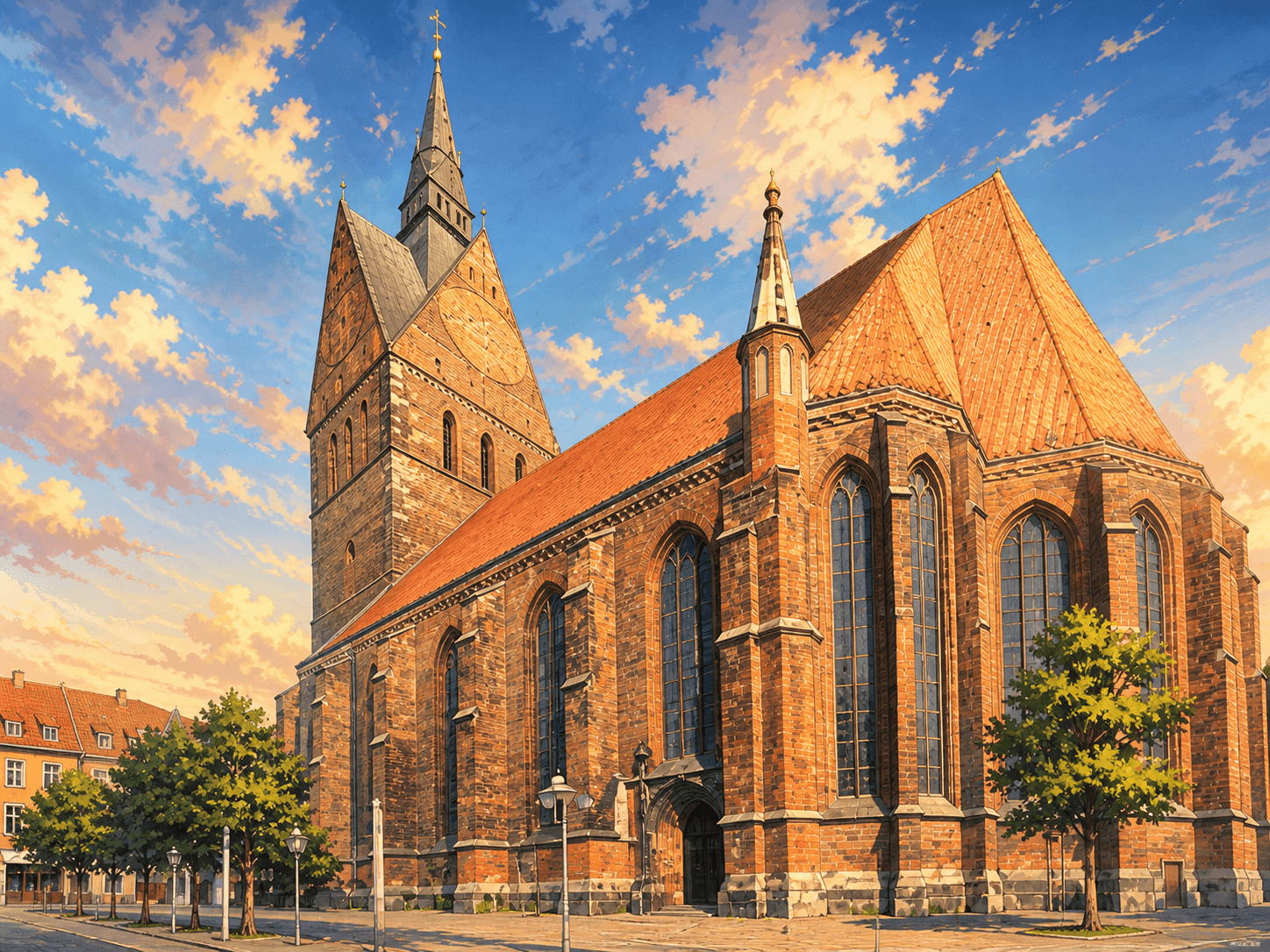
In February 2026, the capital city of Lower Saxony, Hannover, set benchmarks in social and housing policy with a wide range of initiatives and decisions. From the establishment of a municipal construction company to inclusive security concepts – the city is actively shaping the future of its social cohesion.
Social and Housing Policy in Hannover: A City in Transition
The capital city of Lower Saxony, Hannover, has established itself in recent years as a pioneer in social urban development. In February 2026, it set another significant benchmark with a variety of projects, reforms, and political initiatives. Particularly in districts such as Mühlenberg, Davenstedt, and Körtingsdorf, new paths were taken to reduce social inequality, secure housing, and strengthen safety in public spaces.
Social Cohesion: Program-Based Neighborhood Development
The program "Social Cohesion – Shaping Together Life in the Neighborhood" has been a central component of Hannover's urban development since 2020. It aims to combat social isolation and segregation while simultaneously strengthening civic engagement. The current funding phase includes four program areas until 2031, including Mühlenberg, Oberricklingen Nord-Ost, Davenstedt, and Körtingsdorf.
The newly effective funding guidelines (since 1.12.2025) allow for non-investment measures such as educational and integration projects, encounter initiatives, and support for self-help groups. Up to 80% of eligible costs can be covered, with a minimum co-financing requirement of 20%. The funding is limited to a maximum of five years, providing planning certainty for the projects.
Housing Policy: From hanova KOMMUNAL GmbH to Mecki 2.0
The establishment of hanova KOMMUNAL GmbH marks a milestone in Hannover's housing policy. As a wholly-owned subsidiary of the city, it is responsible for the construction, renovation, and maintenance of accommodations for the homeless, refugees, and schools. With a planned investment need of 1.2 billion euros over ten years and an initial capital of 25,000 euros as well as a capital reserve of 5 million euros, the city is pursuing a long-term safety and order concept.
Another focal point is the redevelopment of the Mühlenberg Center and the renovation of Canarisweg. These measures are part of a comprehensive urban development program aimed at improving the quality of life in a district with particularly high youth unemployment (12.2%) and overall unemployment (20.6%).
"Mecki 2.0" is another project discussed in February 2026. The new facility on Augustenstraße is intended to replace the spatially limited contact shop and will provide more quality of stay through a designed outdoor area, seating, and weather protection. It is also part of the master plan for the northern station district.
Security Policy and Inclusion: From Oranje Huis to the Barcelona Declaration
In the field of security, Hannover sent a strong signal with the application for the establishment of an open women's house following the Oranje Huis model. The goal is to provide women with substance use disorders, homelessness, or experience in sex work with a safe accommodation. A report from the administration on funding planning for 10, 15, or 20 places is planned.
In addition, a new security concept was adopted, focusing on comprehensive lighting, modern video surveillance, and coordinated prevention work. The discontinuation of the "50 Bright Places" program in favor of a comprehensive lighting concept shows that it is not just about symbolic politics, but about strategic, data-based planning.
Inclusion and accessibility remain a focus. With an annual funding of 35,000 euros for projects within the Barcelona Declaration, Hannover supports disabled sports, counseling centers, self-help groups, and awareness work. Another goal is the creation of inclusive spaces in the city – not only physically, but also socially.
Outlook: A City in Social Transition
The decisions and projects made in Hannover in February 2026 show that the city is consciously embarking on a social breakthrough. The establishment of a municipal construction company, the strengthening of social neighborhoods, the securing of housing, the creation of security concepts, and the promotion of inclusion and integration are not only short-term measures, but part of a long-term strategy.
The challenges remain great – especially in times of increasing migration movements and a growing social division in the city. Yet, with the right structures, financial resources, and political will, Hannover has the chance to become a model for other cities.
NeoSearch analyses public council documents, committee minutes and municipal announcements. Source references appear automatically once verified meeting data is available.
What does this mean for businesses?
Municipal council decisions are early indicators: following the council agenda surfaces projects and tenders months before the official award — before they ever reach the procurement portals.
Track similar decisions in your region
Set up monitoring for kommunale Projekte in Niedersachsen — prefilled from this article.
Set up monitoring →More signals from Hannover
Sport in Hannover: Structural Realignments and Investments in April 2026
In April 2026, Hannover decided to redefine its sports promotion, make significant investments in championships, and secure the future of its ice sports infrastructure. This blog post analyzes the new principles, financial highlights, and the long-term impact on the city's sports landscape.
Read more → Culture and Community in Hannover: Support, Projects, and Debates in April 2026
In April 2026, significant decisions in the areas of culture and community were in focus in Hannover. The Cultural Committee supported innovative projects, discussed the Volunteer Card, and provided impetus for artistic exhibitions and cultural participation.
Read more → Hannover Invests Heavily in Climate Protection: Community Gardens as Key to Urban Climate Adaptation
In April 2026, Hannover presented an ambitious concept for climate protection and green space development. Central to this is the role of community gardens as multifunctional spaces for climate adaptation, biodiversity promotion, and retention.
Read more →