Hannover in February 2026: Deep Dive into Financial Policy
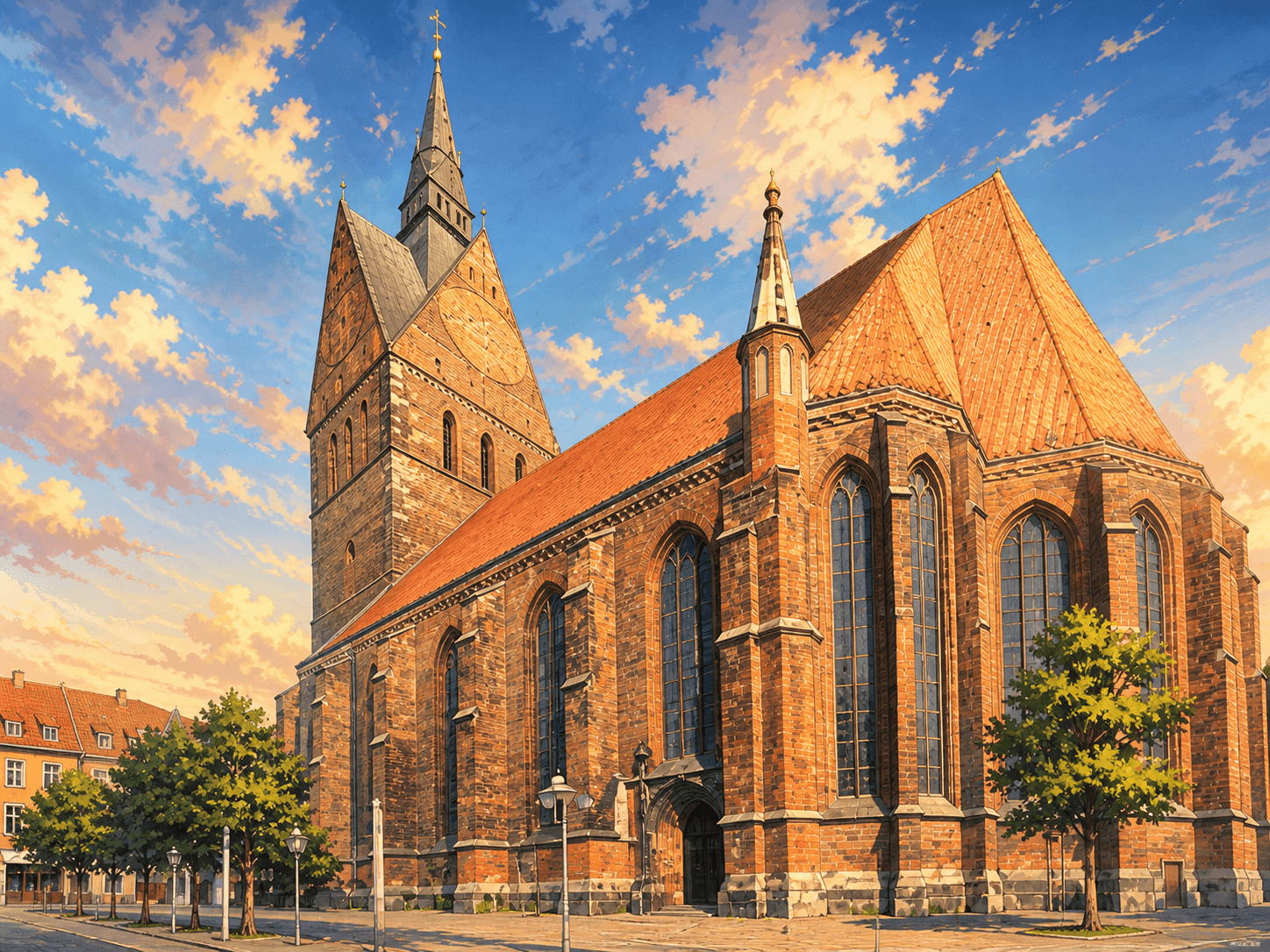
In February 2026, numerous financial policy decisions were at the center of attention in Hannover, covering both structural investments and short-term relief measures. From the introduction of a special fund for daycare centers to the further development of winter services and rent adjustments at the Hannover Congress Centrum – the city is combining precaution, stabilization, and investment.
Financial Policy in Hannover: Investments, Relief, and Planning Security
The financial policy of the capital city of Lower Saxony, Hannover, has proven to be a central anchor in times of economic uncertainty in February 2026. The city has not only responded to short-term economic constraints but also decided on long-term investments in social and infrastructural areas. The decisions made by the Committee on Budget, Finance, Audit, Fire Department, and Public Order as well as the Operating Committee of the Hannover Congress Centrum (HCC) demonstrate a differentiated understanding of budget management and public responsibility.
Special Fund for Daycare Centers: Investment in the Future
A central topic was the introduction of a special fund for the renovation of privately operated daycare centers, with an annual volume of at least 5 million euros and a duration of 10 years starting from 2027. This fund is a response to the increasing demands on the quality and safety of daycare centers, particularly in light of the rising demand and climate change risks.
The funds are to be used, among other things, for energy-efficient renovations, climate-adapted construction measures, and barrier-free accessibility. The administration has been tasked with creating a transparent renovation list and quality guidelines, thereby structuring and making the prioritization of measures traceable. The fund is not only an investment in structural quality but also in the social stability of the city: daycare centers are the key to the educational success of the next generation and contribute to the city's attractiveness as a place to live.
Further Development of Winter Services: Climate Change and City Politics
The CDU faction's proposal for the further development of winter services has shown how much financial policy is also influenced by climatic factors. Following the recent winter storm, a concept is proposed that relies on digital deployment control and dynamic prioritization. It is essential that these measures are implemented without permanent fee increases.
The assessment of the readiness of the fire department in extreme snow conditions is another focus. The equipment with snow chains and snowplows is being reconsidered to ensure the safety and mobility of citizens. This approach reflects an understanding of financial policy as risk management, relying on precaution and adaptability.
Business Tax Relief: Support for Retail in Times of Crisis
The proposal for financial relief for the retail sector through deferrals or reductions of advance payments of the business tax is another milestone of February's financial policy. Many retail and restaurant businesses are heavily affected by construction sites in public spaces. The city has sent a clear signal here: it is placing its bets on economic diversity and social responsibility.
The measure aims to prevent insolvencies and stabilize the local economy. At the same time, tax accountability is ensured by limiting the relief to significantly affected businesses. This approach shows how financial policy can also pursue economic policy objectives without neglecting budget discipline.
Rent Adjustments at the Hannover Congress Centrum: Competitiveness and Investment Security
In February 2026, the Operating Committee of the HCC dealt with the revision of rental prices for the period 2031–2032. The price adjustments are necessary to compensate for staffing costs, material costs, and operational costs. At the same time, the focus on competitiveness remains – the increase is lower than in previous years, and the management retains the option to deviate by up to 60% from standard rents in justified cases.
The rental price list contains detailed information on the costs of individual rooms, such as the dome hall or the Niedersachsenhalle, and also considers additional services such as cleaning, lighting, and technology. This transparency is crucial for the planning security of event organizers and investors and underlines the role of the HCC as a key economic driver for the region.
Outlook: Stability through Investment and Flexibility
Hannover's financial policy in February 2026 is characterized by long-term planning, precaution, and flexibility. The combination of investments in social and infrastructural areas, relief measures for economically vulnerable businesses, and adjustments to economic and climatic challenges shows how a modern city can ensure its financial stability.
In the coming months, it will be important to monitor and adapt the implementation of the measures as needed. The success of the special fund for daycare centers, the optimization of winter services, and the business tax relief can only be fully utilized if they are implemented transparently, sustainably, and citizen-oriented.
NeoSearch analyses public council documents, committee minutes and municipal announcements. Source references appear automatically once verified meeting data is available.
What does this mean for businesses?
Municipal council decisions are early indicators: following the council agenda surfaces projects and tenders months before the official award — before they ever reach the procurement portals.
Track similar decisions in your region
Set up monitoring for Finance and Budget in Niedersachsen — prefilled from this article.
Set up monitoring →More signals from Hannover
Sport in Hannover: Structural Realignments and Investments in April 2026
In April 2026, Hannover decided to redefine its sports promotion, make significant investments in championships, and secure the future of its ice sports infrastructure. This blog post analyzes the new principles, financial highlights, and the long-term impact on the city's sports landscape.
Read more → Culture and Community in Hannover: Support, Projects, and Debates in April 2026
In April 2026, significant decisions in the areas of culture and community were in focus in Hannover. The Cultural Committee supported innovative projects, discussed the Volunteer Card, and provided impetus for artistic exhibitions and cultural participation.
Read more → Hannover Invests Heavily in Climate Protection: Community Gardens as Key to Urban Climate Adaptation
In April 2026, Hannover presented an ambitious concept for climate protection and green space development. Central to this is the role of community gardens as multifunctional spaces for climate adaptation, biodiversity promotion, and retention.
Read more →