Governance and Administration in Hannover: Transparency, Cooperation, and Reform in the State Capital
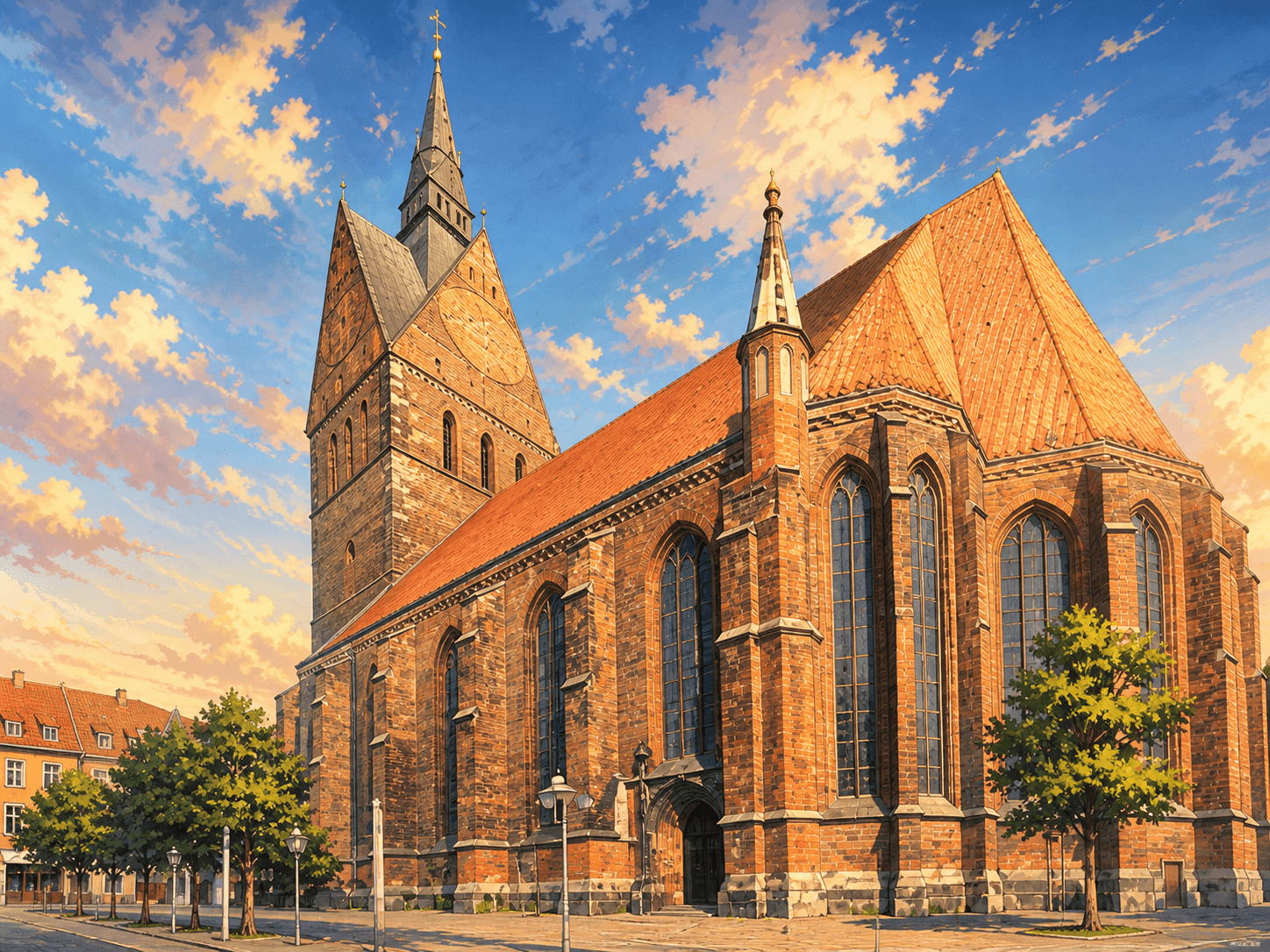
In the state capital of Hannover, numerous central decisions and debates about governance and administration took place in the first half of January 2026. From the revision of the special use ordinance to the founding of hanova KOMMUNAL GmbH – the city is showing itself as an active and citizen-oriented actor. This blog article provides an in-depth look at the political and administrative developments.
Governance and Administration in Hannover: Transparency, Cooperation, and Reform in the State Capital
In the state capital of Hannover, many decisions were made in the early weeks of 2026 that are realigning administrative leadership and political steering in the city. The topics range from the digital transformation of the administration to civic engagement and the establishment of new structural units such as hanova KOMMUNAL GmbH. The debates show a clear trend: Administration is becoming more transparent, citizen-oriented, and more cooperative.
1. From the Special Use Ordinance to the E-Scooter Debate: Regulation in Focus
The Special Use Ordinance is a central legal instrument regulating the use of public spaces—particularly in the context of leisure and events. In January 2026, it was comprehensively revised in order to keep pace with the requirements of the digital age, sustainability, and social justice.
The most important changes include:
- Digitalization of the application process: The digital application platform has been improved, making it easier for citizens and businesses to access.
- New regulations for catering areas: Gas-powered heating pillars are now prohibited, which is commendable in the context of climate protection.
- Barrier-free and inclusive selection procedures: Transparent and non-discriminatory selection procedures for stands, especially on the eastern shore of the Maschsee lake, have been added.
- E-Scooters and bike-sharing: These mobility forms are now explicitly included in the ordinance.
The new ordinance came into effect on 01.01.2026 and was unanimously approved by all major parties (SPD, CDU, FDP) as well as economic associations (DEHOGA, Retail Association). It is an example of modern, citizen-oriented administrative policy.
2. PPP Models in the Education Sector: Opportunities and Risks
Another central topic was the new construction of the Kurt-Schwitters-Gymnasium within the framework of a PPP model (Public-Private Partnership). The project includes a four-track school building with a three-field sports hall, bleachers, and barrier-free accessibility. It is part of the urban development master plan "New Center Misburg."
The city examined the PPP model intensively. However, it was not without criticism: The Audit Office warned that such models are often economically questionable and can suffer from transparency deficits. Nevertheless, the city decided to pursue the PPP model in order to distribute the financial burden and accelerate the project implementation.
The financing is clearly regulated:
- The land and building remain in municipal ownership.
- Preliminary costs amount to approximately 3–4% of the total costs.
- Infrastructure costs totalled around 19 million euros.
- A Europe-wide competition for PPP partners is planned, with an awarding in spring 2026.
The goal is to achieve a passive house standard while ensuring barrier-free use and inclusion. The project demonstrates how Hannover combines educational policy and administrative strategy—with clear criteria and transparent processes.
3. Civic Engagement: Strengthening Participation
Another important topic in the governance debate was the strengthening of civic engagement. To this end, the HannoNetz for Engagement was realigned and a funding fund for a culture of recognition was established.
The funding fund aims to support small initiatives and strengthen a culture of gratitude. The funding criteria have been changed—organizations can only be funded every two years, which reduces the approval rate but increases the quality of applications.
In 2025, the budget for this fund was 94,910 euros. It is an example of how administration and politics can jointly strengthen civic engagement—not only through funds, but also through structural support and recognition.
4. Future of Administration: Digitalization and Participation
The digitalization of the administration is a central topic that was discussed again in the council meeting of 29.01.2026. Hannover has improved significantly in recent years—from rank 42 to rank 7 in the digitalization ranking. Success factors include the form-based digital application process and the "Hannover Speed" strategy.
Furthermore, the possibility of a citizens' initiative on the future of e-scooters was discussed. A proposal for one had been submitted—similar to a failed initiative during the European elections in 2024. This debate shows how the city is trying to make political decisions more transparent and participatory.
5. Governance Structure: From Committees to hanova KOMMUNAL GmbH
Another focal point was the founding of hanova KOMMUNAL GmbH, a 100% subsidiary of the state capital. It is responsible for major construction projects in the areas of accommodation (homeless people, refugees) and school construction.
The structure is clearly regulated:
- Share capital: 25,000 euros
- Capital reserve: 5 million euros
- Management: under competition prohibitions and with open-book procedures
- Supervision: Optional supervisory board with 6 members
The founding took place with the involvement of the municipal oversight and is an example of a modern, flexible administrative structure that can act faster and more efficiently on large construction projects.
Conclusion: Governance 2026 – More Transparent, More Citizen-Oriented, More Collaborative
The governance developments in Hannover show a clear trend: The city is pursuing a policy that places transparency, participation, and cooperation in the foreground. Whether in the revision of the special use ordinance, the founding of hanova KOMMUNAL GmbH, or the strengthening of civic engagement—the decision-making process is well-considered, citizen-oriented, and future-oriented.
In the coming months, it will be particularly interesting to observe how these developments will hold up in practice—and whether the criticisms, for example regarding the economic viability of PPP models, will have lasting effects.
NeoSearch analyses public council documents, committee minutes and municipal announcements. Source references appear automatically once verified meeting data is available.
What does this mean for businesses?
Town halls, fire stations, depots and administrative buildings create early construction and refurbishment opportunities. Following council agendas reveals projects before they go to tender.
Track similar decisions in your region
Set up monitoring for public buildings & administration in Niedersachsen — prefilled from this article.
Set up monitoring →More signals from Hannover
Sport in Hannover: Structural Realignments and Investments in April 2026
In April 2026, Hannover decided to redefine its sports promotion, make significant investments in championships, and secure the future of its ice sports infrastructure. This blog post analyzes the new principles, financial highlights, and the long-term impact on the city's sports landscape.
Read more → Culture and Community in Hannover: Support, Projects, and Debates in April 2026
In April 2026, significant decisions in the areas of culture and community were in focus in Hannover. The Cultural Committee supported innovative projects, discussed the Volunteer Card, and provided impetus for artistic exhibitions and cultural participation.
Read more → Hannover Invests Heavily in Climate Protection: Community Gardens as Key to Urban Climate Adaptation
In April 2026, Hannover presented an ambitious concept for climate protection and green space development. Central to this is the role of community gardens as multifunctional spaces for climate adaptation, biodiversity promotion, and retention.
Read more →