Education on the Move: Hanover Invests in Schools, Catering, and Inclusion
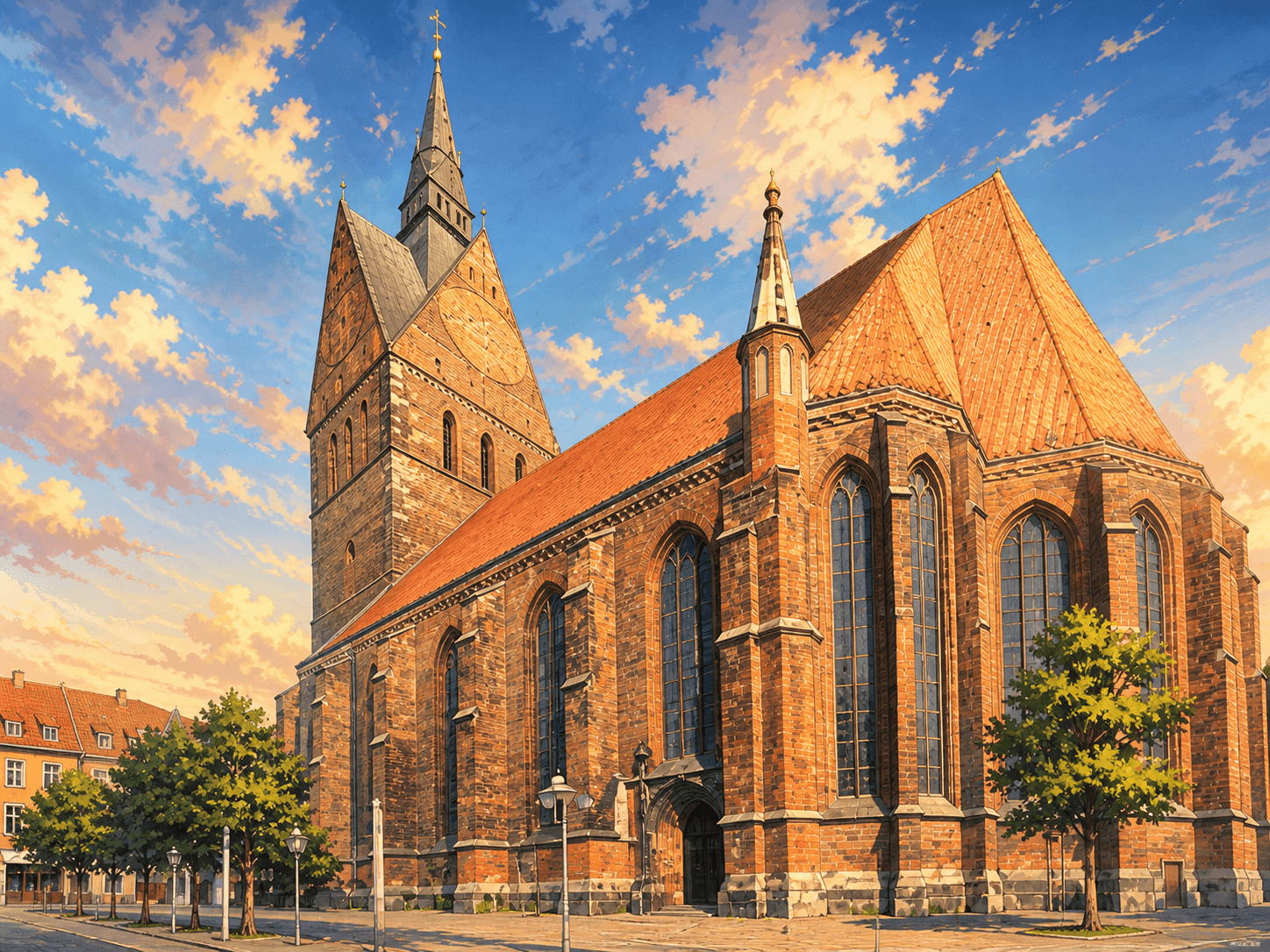
In February 2026, Hanover is increasing its investments in education and public facilities. From school construction to inclusion and sustainable school catering – the city is planning extensive measures to strengthen its educational policy and promote equal opportunities.
Education on the Move: Hanover Invests in Schools, Catering, and Inclusion
In a time when education is becoming an increasingly important resource for social participation, Hanover is investing in the city's future with a comprehensive package of measures. In February 2026, numerous decisions were made that will have a significant impact on infrastructure, inclusion, and educational equity. These measures range from the renovation of historical school buildings to the development of sustainable food concepts and inclusive workspaces.
School Construction and Renovation: Historic Preservation Meets Future Readiness
One of the central topics of Hanover's educational policy is the renovation and construction of schools. In February 2026, the renovation of the Gerhart-Hauptmann-Realschule in Buchholz-Kleefeld was decided. With a budget of 1.8 million euros, the west façade will be restored in a historically sensitive manner and optimized for energy efficiency with modern windows and ventilation technology. The work is planned for the summer holidays of 2026, ensuring minimal disruption to school operations.
Another project is the new playground construction at Grundschule Nackenberger Straße. With 300,000 euros, three new areas for movement, relaxation, and play will be created. Particularly interesting is the inclusion of archaeological measures that take into account the historical context of the site.
In addition, the construction of a new full-day primary school at the Mußmanns Haube site is in planning. It will serve as a central relocation site for several primary schools during their renovation work. The school will have four classes and a two-field sports hall and is planned for the school year 2029/30, to be built using a hybrid timber construction method.
Inclusion and Sustainability: In the Schools and in the Meals
Another central theme is inclusion in education and school catering. The Grundschule Mühlenweg is serving as a pilot project with an inclusive cafeteria operation. In addition to vegetarian main courses and low-sugar desserts, inclusive workspaces for people with disabilities are being created. Furthermore, a comprehensive catering concept is being implemented that is regional, seasonal, and sustainable.
Another highlight is the 2,700 m² school garden, which strengthens nutrition education and environmental awareness. Children take on ritual tasks such as baking bread and making energy bars, while projects such as worm farms, beehives, and rainwater use anchor the idea of sustainability. The goal is to actively implement the 12 United Nations Sustainable Development Goals.
Full-Day School Policy and Care: Safety and Equity for All
The implementation of the right to full-day care for elementary school students by 2029 is another focus. The city plans to transform the existing "Firefighters Fund" into the program GanztagsBrückenHannover (GBH). This will provide 975 care places, while the care ratio will be improved from 2:25 to 1:15. Parents’ fees for material costs are planned at 6.50 euros per month per child.
In addition, a free lunch for all elementary school students will be introduced starting with the school year 2026/27. This concept aims at healthy, regional, and sustainable nutrition. The city plans to involve regional caterers to strengthen local value creation and minimize transport distances.
Outlook: An Educational Policy in Transition
The decisions of February 2026 show that Hanover is actively orienting itself towards a future in which education, sustainability, and inclusion are closely interlinked. The establishment of hanova KOMMUNAL GmbH as a construction company is a landmark step to centrally manage the extensive renovation and new construction measures.
The hearing on the mental health of students in the school system also indicates a growing sensitivity towards the psychosocial needs of young people. The planned cooperation with the health department and other experts shows that educational policy is no longer considered in isolation, but must be understood and shaped within a broader context.
NeoSearch analyses public council documents, committee minutes and municipal announcements. Source references appear automatically once verified meeting data is available.
What does this mean for businesses?
Schools, daycare centres and public buildings create early planning and construction opportunities. Following council agendas surfaces tenders for refurbishment, new builds and fit-out months before the official award — from shell construction to specialist planning to furnishing.
Track similar decisions in your region
Set up monitoring for education & public facilities in Niedersachsen — prefilled from this article.
Set up monitoring →More signals from Hannover
Sport in Hannover: Structural Realignments and Investments in April 2026
In April 2026, Hannover decided to redefine its sports promotion, make significant investments in championships, and secure the future of its ice sports infrastructure. This blog post analyzes the new principles, financial highlights, and the long-term impact on the city's sports landscape.
Read more → Culture and Community in Hannover: Support, Projects, and Debates in April 2026
In April 2026, significant decisions in the areas of culture and community were in focus in Hannover. The Cultural Committee supported innovative projects, discussed the Volunteer Card, and provided impetus for artistic exhibitions and cultural participation.
Read more → Hannover Invests Heavily in Climate Protection: Community Gardens as Key to Urban Climate Adaptation
In April 2026, Hannover presented an ambitious concept for climate protection and green space development. Central to this is the role of community gardens as multifunctional spaces for climate adaptation, biodiversity promotion, and retention.
Read more →