Mobility Policy in Braunschweig: Focus on Safety, Infrastructure, and Traffic Calming in February 2026
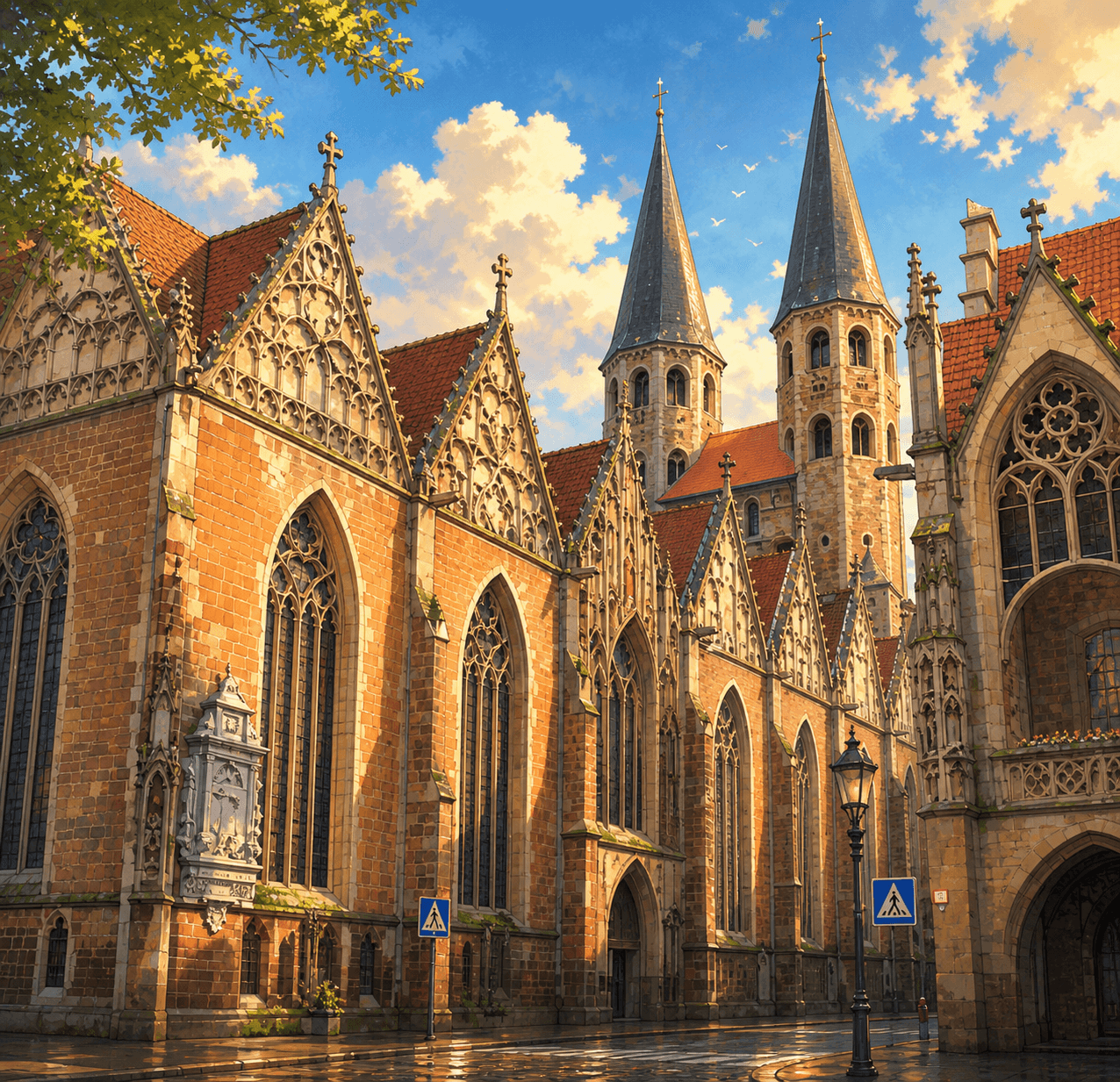
In February 2026, Braunschweig launched new impulses in mobility policy through a range of measures. The focus was on traffic calming, improving safety, and adapting infrastructure to the needs of pedestrians, cyclists, and residents. This blog report analyses the most important decisions and developments.
Traffic Calming Gains Momentum – Success in Calvördestraße
The implementation of a one-way street regulation in Calvördestraße is a good example of the effectiveness of traffic calming measures. Since its introduction in January 2025, there has been a significant reduction in through-traffic. Camera counts between August 2024 and September 2025 show that the regulation not only reduced the number of motor vehicles but was also accepted in the long term by local residents. Although there were initially considerable complaints, the number of violations of the driving direction decreased over the course of 2025, and many responses were positive. The experience in Calvördestraße could serve as a model for other districts facing similar through-traffic problems.
Safety for Pedestrians and Access for People with Disabilities
Another focus was ensuring visibility for people with mobility impairments and emergency vehicles. In connection with the crosswalk at Juliusstraße 2, surfaces on the carriageway were marked to prevent parking directly in front of the crossing. This not only improves the entry and exit for emergency vehicles and disabled transport, but also enhances overall road safety. The measure was implemented as part of ongoing marking works, showing that such improvements can often be made without additional investment.
Further Development of Cycling Infrastructure – From Pictograms to Bike Racks
The city is continuing to expand its cycling infrastructure, particularly in the Western Ring area. It was decided to install a larger bicycle pictogram on the cycle path "Am Hohen Tore" to improve orientation for cyclists. At the same time, inquiries were made about installing bike racks along Celler Straße, but the administration argued against a further expansion. The reason: the remaining sidewalk width of 1.50 m would not be sufficient to ensure pedestrian traffic. This reflects the ongoing debate over road space, in which compromises between different road users must be continually negotiated.
Public Wi-Fi as Part of Neighbourhood Development
Another highlight was the initiative by the SPD parliamentary group to install public Wi-Fi at central neighborhood squares. Proposed locations included the Frankfurter Platz, the Westbahnhof, and the Johannes-Selenka-Platz. This measure is part of an overall neighborhood development strategy that aims not only to improve traffic but also the quality of public space. The proposal was positively received by the district council 310 and is an example of how digital infrastructure can be integrated into urban mobility concepts.
Conclusion: Mobility Policy in Transition
February 2026 shows that Braunschweig is on the way to developing a mobility concept that focuses on safety, sustainability, and adaptability. The successes in Calvördestraße, the safety measures at crosswalks, and the expansion of cycling infrastructure are steps in the right direction. At the same time, the balance between different road users remains a challenge – especially when it comes to the distribution of road space. In the coming months, it will be important to evaluate pilot projects and use experiences to further refine mobility policy.
NeoSearch analyses public council documents, committee minutes and municipal announcements. Source references appear automatically once verified meeting data is available.
What does this mean for businesses?
Urban development, zoning plans and commercial settlements create early construction and supply opportunities. Following council decisions reveals projects before they go to tender.
Track similar decisions in your region
Set up monitoring for economic development in Niedersachsen — prefilled from this article.
Set up monitoring →More signals from Braunschweig
Education Policy in Braunschweig: Digitalization, Full-Day Schools, and Energy Efficiency in April 2026
In April 2026, Braunschweig focused on a range of educational policy topics. The School Committee discussed the implementation of the legal entitlement to full-day school care, the digitalization of schools through state-wide available devices, and the development of energy efficiency in school buildings. An overview.
Read more → Health Policy in Braunschweig: Challenges in April 2026
In April 2026, Braunschweig saw decisive discussions in the health sector, focusing on demographic change, recruitment of care staff, and the future of day care services. This deep dive analyzes the background, decisions, and impacts of these political measures.
Read more → Daycare Centers in Braunschweig: Staff Shortages and Care Gaps in Focus
In April 2026, the dramatic care gaps in Braunschweig’s daycare centers became the focus. Parents report significant undercoverage, severely impacting daily routines. How is the city responding, and what solutions are on the horizon?
Read more →