Education Policy in Braunschweig: Digitalization, Full-Day Schools, and Energy Efficiency in April 2026
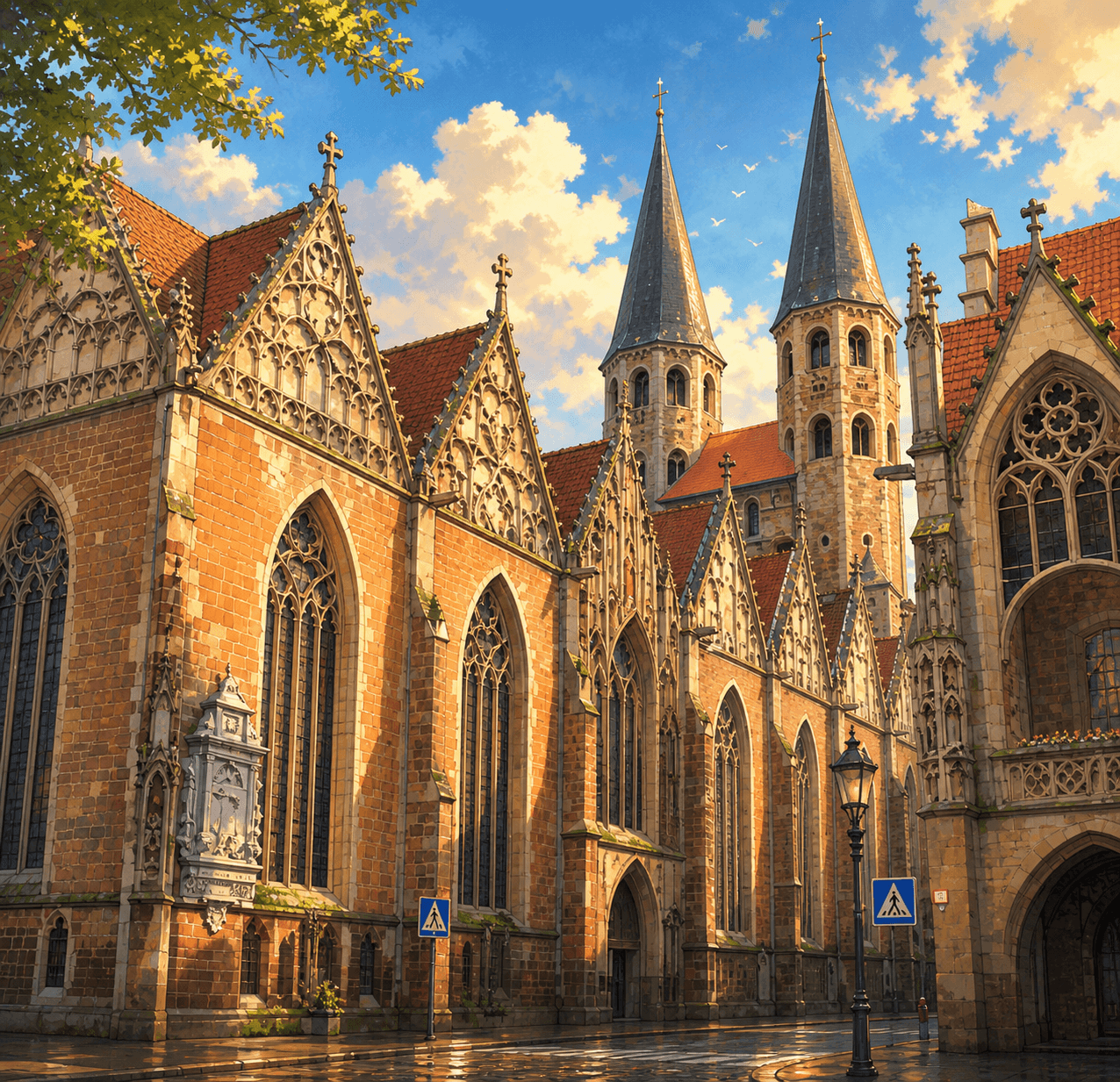
In April 2026, Braunschweig focused on a range of educational policy topics. The School Committee discussed the implementation of the legal entitlement to full-day school care, the digitalization of schools through state-wide available devices, and the development of energy efficiency in school buildings. An overview.
Education Policy in Braunschweig: Digitalization, Full-Day Schools, and Energy Efficiency
Education policy in Braunschweig is a central topic in the region, shaping not only the quality of school education but also the city's future viability. In April 2026, three key areas were particularly in focus: the digitalization of schools, the expansion of full-day schools, and energy efficiency in municipal educational institutions. The School Committee discussed these topics intensively and made decisive plans that could significantly reshape the city's educational landscape.
Digitalization: Device Provision and IT Infrastructure
The digitalization of education in Braunschweig has made steady progress in recent years. In April 2026, it was announced that the Lower Saxony state government had initiated the provision of free digital devices for all seventh-grade students and teachers. This initiative is part of the state-wide implementation of §§ 71 a and 190 NSchG and marks a milestone in the digitalization of schools.
School authorities receive a subsidy of 125 euros per device for IT administration, supporting the technical implementation. Funding will be adjusted in the future to match tariff developments in the public sector to ensure long-term stability. The online shop for ordering devices is open, and four time windows have been set, depending on the schools' current equipment status.
The devices remain the property of the state and are provided to students free of charge under a lease agreement. The school authority is responsible for integrating the devices into the school's IT infrastructure and providing technical support. In Braunschweig, it is expected that digitalization will significantly accelerate in the coming years.
Full-Day Schools: Expansion and Legal Framework
Another focal point was the expansion of full-day schools in Braunschweig. The legal entitlement to full-day care for elementary school students was implemented nationwide on a grade-by-grade basis for the 2026/27 school year. In Braunschweig, the Cooperative Full-Day School (KoGS) model is established, consisting of three components: the conversion of half-day schools, the expansion of school child care, and the early start of full-day operations.
Currently, 25 of 39 elementary schools in Braunschweig already operate on a full-day basis according to the Braunschweig model. Gradual renovation measures are planned for the remaining half-day elementary schools. Construction expansions are in preparation for nine schools, including GS Lindenberg and Wenden, which will begin full-day operations in the upcoming school year. The city aims to establish a uniform care standard for all elementary school students.
Energy Efficiency in School Buildings
Another central topic was the development of heat energy consumption in municipal school buildings. The city of Braunschweig has observed that energy demand has increased due to the expansion of full-day school operations and the use of sports halls and swimming pools. To save energy, central heating controls are being implemented, adjusted to usage times. In addition, the city is testing the use of smart thermostats in two properties to achieve energy savings.
Vacation periods and out-of-school uses, such as adult education or youth centers, also contribute to extended usage times and, therefore, energy demand. The city of Braunschweig has therefore decided to expand energy-efficient solutions to reduce costs in the long term and advance climate protection.
Conclusion: An Education Policy in Transition
April 2026 was a month of intensive educational policy discussions and decisions in Braunschweig. The digitalization of schools, the expansion of full-day schools, and the improvement of energy efficiency in educational institutions are key topics that the city will continue to develop in the coming years. With the current measures, Braunschweig is sending a clear signal for a modern, inclusive, and future-oriented education policy.
NeoSearch analyses public council documents, committee minutes and municipal announcements. Source references appear automatically once verified meeting data is available.
What does this mean for businesses?
Schools, daycare centres and public buildings create early planning and construction opportunities. Following council agendas surfaces tenders for refurbishment, new builds and fit-out months before the official award — from shell construction to specialist planning to furnishing.
Track similar decisions in your region
Set up monitoring for education & public facilities in Niedersachsen — prefilled from this article.
Set up monitoring →More signals from Braunschweig
Health Policy in Braunschweig: Challenges in April 2026
In April 2026, Braunschweig saw decisive discussions in the health sector, focusing on demographic change, recruitment of care staff, and the future of day care services. This deep dive analyzes the background, decisions, and impacts of these political measures.
Read more → Daycare Centers in Braunschweig: Staff Shortages and Care Gaps in Focus
In April 2026, the dramatic care gaps in Braunschweig’s daycare centers became the focus. Parents report significant undercoverage, severely impacting daily routines. How is the city responding, and what solutions are on the horizon?
Read more → Braunschweig: Culture and Community in April 2026 – Focusing on Remembrance, Support, and Future Visions
In April 2026, Braunschweig set new benchmarks in cultural and community policy. From commemorating the NS past, supporting the independent theater scene, to the opening of an architectural pavilion, the city demonstrates itself as a vibrant cultural hub. This blog analyzes the key decisions and projects of the region.
Read more →