Educational Policy in Braunschweig: Focus on Inclusion, School Lunches, and Digital Equipment
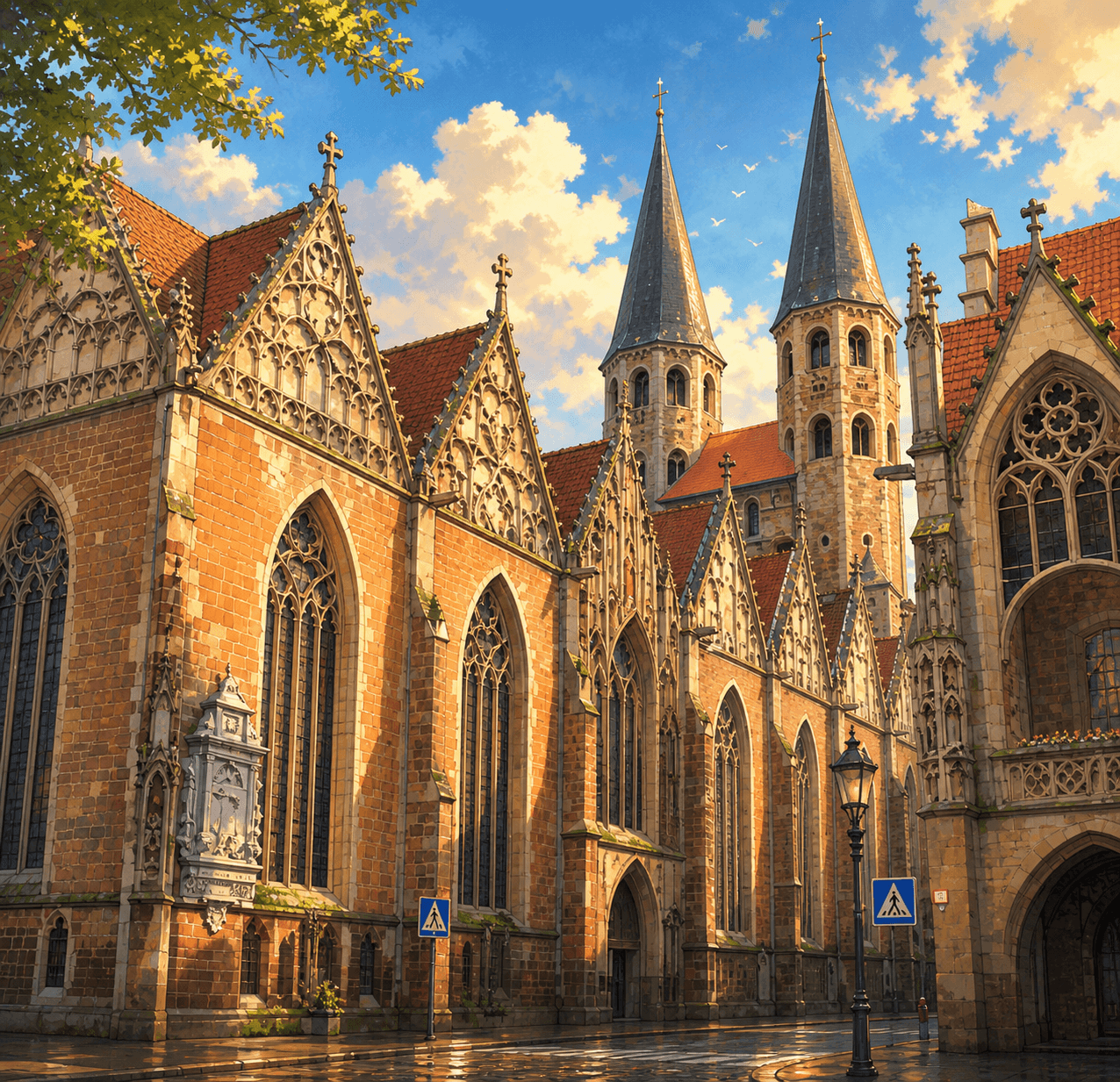
In February 2026, Braunschweig saw important decisions in the field of education come to the forefront. The School Committee addressed issues such as accessibility, school lunches, digital devices, and school swimming. This blog provides an overview of the political developments and their implications for the city's schools.
Educational Policy in Braunschweig: February 2026 in Focus
February 2026 brought a range of decisions and discussions in the field of education and public institutions in Braunschweig. Important resolutions were passed by the School Committee at the Town Hall, shaping the future of education in the city. Topics such as accessibility, school lunches, digital devices, and school swimming were central – with far-reaching implications for students, parents, and the administration.
Full-Day Operation and Staffing Needs
A central topic was the staffing requirements for school secretariats. The full-day operation was introduced in advance at Grundschule Wenden and Lindenberg without any structural measures being carried out. This led to increased workload in the school secretariats, especially in the organization of the full-day program within existing premises.
To ease the burden, an additional 4 weekly hours (full-day supplement) were allocated for both schools starting from February 1, 2026. The cost of this measure amounted to approximately 3,000 euros in 2026. Further primary schools are expected to follow in the academic year 2027/2028. In addition, the administration provided the factsheet "Education at a Glance – Braunschweig 2026," which offers an overview of the current educational situation in the city.
Accessibility and Inclusion
Another important discussion revolved around accessibility in Braunschweig schools. The SPD faction submitted a motion requesting that the administration compile an overview of the structural accessibility of municipal schools. The goal is to provide parents of children with physical and motor impairments with a transparent overview of the accessibility of the schools.
In Braunschweig, there are significant differences in the structural equipment of schools. Many buildings are old and lack, for example, elevators, barrier-free access, or sufficiently dimensioned traffic areas. However, a barrier-free infrastructure is a prerequisite for inclusive schooling. In the future, the administration is to publish an overview of barrier-free and low-barrier locations in the school brochure and on the city's official website.
School Lunches and Financial Support
In February, a guideline for the granting of subsidies for school lunches was also adopted. The new funding pool "FairKosten – Funding Pool for School Lunches" is equipped with 150,000 euros per year and is intended to enable families who are financially disadvantaged but not eligible to receive a free lunch from the Education and Participation Program to enjoy a 50 percent price reduction.
Approximately 450 students could benefit from this. The funding pool is intended for all primary schools under municipal management as well as for secondary schools offering full-day programs. Starting from the academic year 2026/2027, applications will be possible, and by 2029, the amount of the funding pool could be adjusted based on the level of utilization and student numbers.
Digital Devices and School Swimming
Another topic was the provision of digital devices to students. Starting from the academic year 2026/2027, these will be provided on a loan basis to students from grade 7 onwards. The statewide provision affects the media development plan of the city's schools and is already a fixed part of the teaching concepts at secondary schools.
The issue of school swimming was also discussed. The closure of the Gliesmarode swimming pool has resulted in a lack of important water areas. The reopening has once again been postponed to 2029. A survey from 2022 showed that only about 70 percent of primary school children were assessed as being able to swim. According to the administration, bottlenecks exist especially in the availability of qualified staff and sufficient water areas.
Outlook and Challenges
The political decisions in February 2026 show how complex the challenges in Braunschweig's educational policy are. The implementation of the full-day operation, the assurance of accessibility, the financing of school lunches, and the provision of digital devices are just some of the issues that will be crucial for the quality of the educational offer in the city in the coming years.
Long-term planning for the school swimming program remains critical. With the delay in the reopening of the Gliesmarode swimming pool, it is foreseeable that the current transitional phase until 2029 will not be possible without further adjustments. The effects on the swimming ability of primary school children will therefore be closely monitored.
Overall, February 2026 shows that Braunschweig is on the way to creating a more inclusive, fairer, and technologically modern education – but the journey is still long, and the coming months will show whether the political measures will also take effect in practice.
NeoSearch analyses public council documents, committee minutes and municipal announcements. Source references appear automatically once verified meeting data is available.
What does this mean for businesses?
Schools, daycare centres and public buildings create early planning and construction opportunities. Following council agendas surfaces tenders for refurbishment, new builds and fit-out months before the official award — from shell construction to specialist planning to furnishing.
Track similar decisions in your region
Set up monitoring for education & public facilities in Niedersachsen — prefilled from this article.
Set up monitoring →More signals from Braunschweig
Education Policy in Braunschweig: Digitalization, Full-Day Schools, and Energy Efficiency in April 2026
In April 2026, Braunschweig focused on a range of educational policy topics. The School Committee discussed the implementation of the legal entitlement to full-day school care, the digitalization of schools through state-wide available devices, and the development of energy efficiency in school buildings. An overview.
Read more → Health Policy in Braunschweig: Challenges in April 2026
In April 2026, Braunschweig saw decisive discussions in the health sector, focusing on demographic change, recruitment of care staff, and the future of day care services. This deep dive analyzes the background, decisions, and impacts of these political measures.
Read more → Daycare Centers in Braunschweig: Staff Shortages and Care Gaps in Focus
In April 2026, the dramatic care gaps in Braunschweig’s daycare centers became the focus. Parents report significant undercoverage, severely impacting daily routines. How is the city responding, and what solutions are on the horizon?
Read more →