Rostock's Sports Development Planning: A Future-Oriented Strategy for Movement and Health
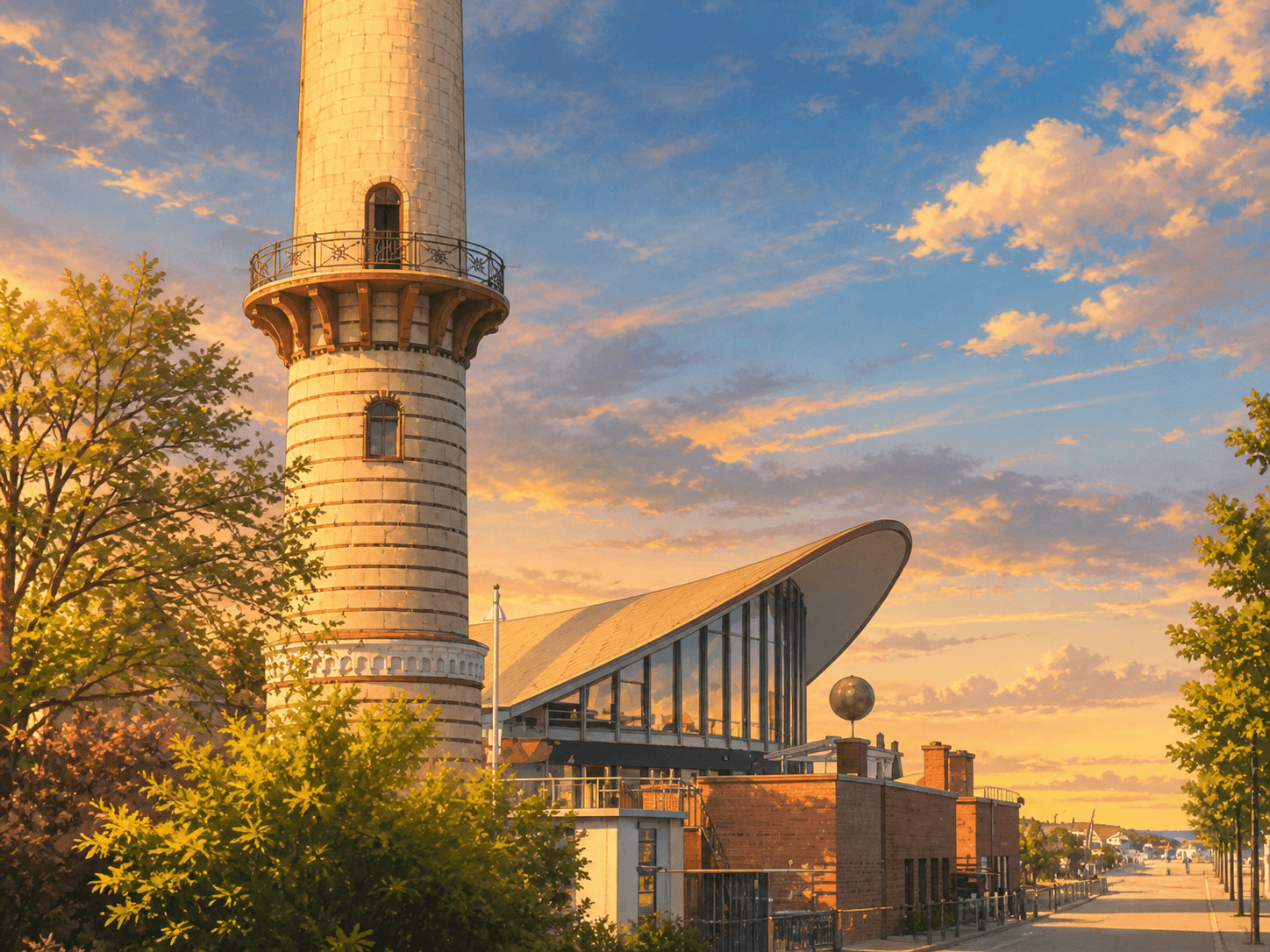
In April 2026, Rostock began implementing its First Sports Development Plan. The focus was on ensuring a demand-oriented and sustainable development of sports and movement structures in the Hanseatic city. With a sports activity rate of 86% and broad participation from all population groups, Rostock stands out as a pioneer in municipal sports policy.
A Strategic Foundation for Sports Development in Rostock
The Hanseatic and university city of Rostock adopted its First Sports Development Plan in April 2026. This plan serves as a strategic management tool for municipal sports policy and is part of a future-oriented approach aimed at sustainably securing and developing the city's sports and movement landscape. The plan is based on a participatory study conducted by the Institute for Municipal Sports Development Planning (INSPO), which included both municipal actors and citizens. The goal is to optimize the spatial, organizational, and communicative structures of sports development.
Three Central Areas of Action for Sports Development
The sports development plan is divided into three central areas of action:
1. Target Groups, Offer Structures, and Organizations
The plan focuses on an intergenerational approach to sports development, particularly for children, youth, and older people. It also takes into account the above-average participation of people with disabilities in sports activities. Furthermore, the trend toward non-club-based sports—accounting for about two-thirds of all sports activities in Rostock—is being used as an opportunity to create new offers and structures.
2. Communication, Cooperation, and Networks
The inclusion of clubs, schools, kindergartens, and municipal institutions is a key factor in the success of the plan. Through targeted cooperation and information events, the diversity of sports offerings is to be made more visible and accessible. The opening of the sports field "Rote Erde" in April 2026 is a concrete sign of the implementation of this strategy.
3. Spatial Infrastructure and Sports Opportunities
To ensure good access to sports facilities and venues, a sports facility development plan is being pursued. This also addresses the needs of individual districts—such as Evershagen. Clubs that frequently have to change training locations due to poor conditions receive special attention in the plan. The digital booking platform http://sportstaetten.rostock.de is used as a central point for organization.
Long-Term Planning and Financial Security
The sports development plan is designed for a period of at least ten years and will be regularly updated. Financial security is enshrined in the budget ordinance, ensuring investments in sports infrastructure and sports promotion. The plan has implications for areas such as sports facility development, sports promotion, and fee regulation, which are addressed in separate decision-making processes.
The current demographic development—with rising membership numbers among children and youth and an increasing number of older people—is actively integrated into the planning. In addition, a representative citizen survey with over 10,000 participants showed that a large portion of the population is interested in more physical activity. This potential is actively utilized in the sports development plan.
A Glimpse into the Future
Rostock's First Sports Development Plan marks a milestone in municipal sports policy. With a sports activity rate of 86%, significantly above the national average, and broad participation from all population groups, Rostock has demonstrated a high level of movement culture. The implementation of the plan will be crucial in the coming years to maintain and further develop these structures. The results of the plan are documented in a final report and a summary, forming the basis for future decisions and investments.
NeoSearch analyses public council documents, committee minutes and municipal announcements. Source references appear automatically once verified meeting data is available.
What does this mean for businesses?
Municipal council decisions are early indicators: following the council agenda surfaces projects and tenders months before the official award — before they ever reach the procurement portals.
Track similar decisions in your region
Set up monitoring for Policy and Legal Matters in Mecklenburg-Vorpommern — prefilled from this article.
Set up monitoring →More signals from Rostock
Opening Hours Ordinance and Touristic Development in Rostock – Spotlight on April 2026
In April 2026, the adjustment of the state opening hours ordinance was at the center of political debate in Rostock. The Tourism Committee intensely discussed how to better support retail in tourist areas. In addition, the updated structural concept for Warnemünde was presented.
Read more → Rostock Prioritizes Noise Reduction – The 4th Update of the Noise Action Plan
In April 2026, the Hanseatic and university city of Rostock approved the 4th update of its Noise Action Plan. The goal is to reduce noise exposure for residents and protect public health. The focus is on 60 identified noise hotspots and 30 proposed measures. This blog analyzes the background, decisions, and implications.
Read more → Youth Policy in Rostock: Decisions, Structures, and Perspectives in April 2026
In April 2026, Rostock focused on key decisions regarding youth support. The Youth Welfare Committee convened, elected new leadership, and adopted a guideline for the professional staffing of out-of-home youth support services. This deep dive shows how these decisions shape the future of youth promotion in the Hanseatic city.
Read more →