Opening Hours Ordinance and Touristic Development in Rostock – Spotlight on April 2026
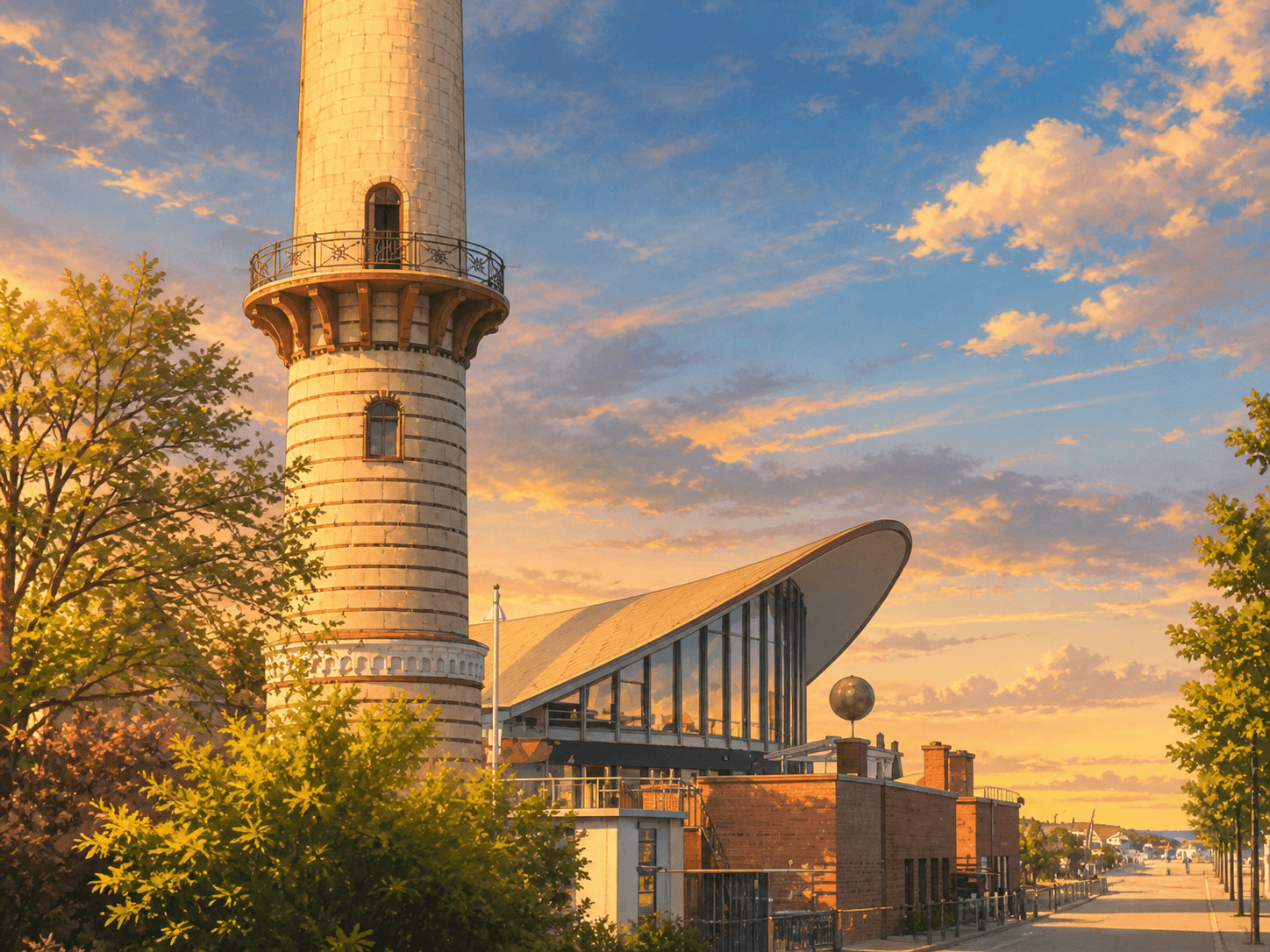
In April 2026, the adjustment of the state opening hours ordinance was at the center of political debate in Rostock. The Tourism Committee intensely discussed how to better support retail in tourist areas. In addition, the updated structural concept for Warnemünde was presented.
Tourism and Opening Hours – An Exciting Debate in Rostock
As a Hanseatic and university city, Rostock is not only culturally and historically significant but also an important tourist hotspot in Mecklenburg-Western Pomerania. In April 2026, the Tourism Committee focused on adapting the state opening hours ordinance to better support the region's tourism industry. At the same time, the updated structural concept for Warnemünde was presented, which could have long-term effects on the city's tourist and economic development.
Motion for the Opening Hours Ordinance – Request for Practical Adjustments
At the center of the debate was the CDU faction's motion 2026/AN/1492, which called for a practical adaptation of the state opening hours ordinance. The current ordinance is considered insufficient by Rostock's business community, particularly in heavily frequented tourist areas such as Warnemünde. The ordinance defines under what conditions retail businesses may operate on Sundays and public holidays.
The administration supported the motion and emphasized that a new regulation is urgently needed. Following a decision by the Higher Administrative Court of Greifswald on 12 March 2026, the current ordinance is invalid, leading to uncertainty in the business community. Therefore, politics called for uniform and legally secure exception rules for areas with high tourist activity.
There was general agreement that day-trippers, who represent an important source of income for retail in Rostock, should be more strongly included in the assessment of tourist significance. Additionally, the role of retail as a central employer and part of the tourist infrastructure was highlighted.
Updating the Structural Concept for Warnemünde – A Strategic Step
Alongside the discussion on the opening hours ordinance, the updated structural concept for Warnemünde was also in focus. The concept, which was adopted in 2011 and updated from 2019 to 2022, lays the foundation for the future development of the seaside resort area. In April 2026, an updated action and measures concept was presented, covering short-, medium-, and long-term projects.
Focus projects such as "Housing and Holiday Homes," "Werftbecken," "Mittelmole," and "School Campus and Housing Laak-Quartier" were mentioned. These projects are part of a comprehensive plan to strengthen the tourist and economic structures in Warnemünde. Within the concept, areas such as urban development, transportation, economy, tourism, housing, infrastructure, climate, and environmental protection were also considered.
The document 2026/IV/1383 also includes an overview of the implementation of goals from the participation project, ensuring transparency and traceability of the planning process. The financial resources for the projects are included in the budget, and there are no additional costs incurred by the proposal.
Communication and Legal Security – Central Challenges
A central aspect of the discussion was the need for legal and planning certainty for companies and municipalities. The current ordinance does not provide binding regulations, leading to uncertainty among retailers. Therefore, politics called for the Mayor to actively push for the revision of the ordinance and to take into account the specific needs of Rostock businesses.
In addition, it was discussed how the tourist relevance of Rostock could be more strongly integrated into the ordinance. Retail in the region is not only economically but also socially significant, as it provides many jobs. A better adaptation of opening hours could strengthen the competitive advantage compared to other tourist regions.
Outlook: A Step Toward a Touristically Attractive Rostock
The discussions of the Tourism Committee in April 2026 show that Rostock is working toward a structured and sustainable expansion of its tourist infrastructure. The adaptation of the opening hours ordinance is a necessary step to ensure the economic viability and attractiveness of the region. At the same time, the updating of the structural concept for Warnemünde is a strategic process that will have long-term effects on the city's development.
The political bodies have signaled that they will support a practical and legally secure regulation. The next steps – including discussions in further committees and ultimately a decision by the City Council – will show whether the demands can be implemented in practice.
NeoSearch analyses public council documents, committee minutes and municipal announcements. Source references appear automatically once verified meeting data is available.
What does this mean for businesses?
Urban development, zoning plans and commercial settlements create early construction and supply opportunities. Following council decisions reveals projects before they go to tender.
Track similar decisions in your region
Set up monitoring for economic development in Mecklenburg-Vorpommern — prefilled from this article.
Set up monitoring →More signals from Rostock
Rostock Prioritizes Noise Reduction – The 4th Update of the Noise Action Plan
In April 2026, the Hanseatic and university city of Rostock approved the 4th update of its Noise Action Plan. The goal is to reduce noise exposure for residents and protect public health. The focus is on 60 identified noise hotspots and 30 proposed measures. This blog analyzes the background, decisions, and implications.
Read more → Youth Policy in Rostock: Decisions, Structures, and Perspectives in April 2026
In April 2026, Rostock focused on key decisions regarding youth support. The Youth Welfare Committee convened, elected new leadership, and adopted a guideline for the professional staffing of out-of-home youth support services. This deep dive shows how these decisions shape the future of youth promotion in the Hanseatic city.
Read more → Rostock and the Future of Legal Graffiti Areas
In April 2026, Rostock's Cultural Committee will intensively examine the possibility of adding more "Legal Walls" to combat illegal graffiti. The focus is on creating creative public spaces that also help prevent vandalism.
Read more →