Rüsselsheim April 2026: Urban Development, Mobility, and Climate Protection in Focus
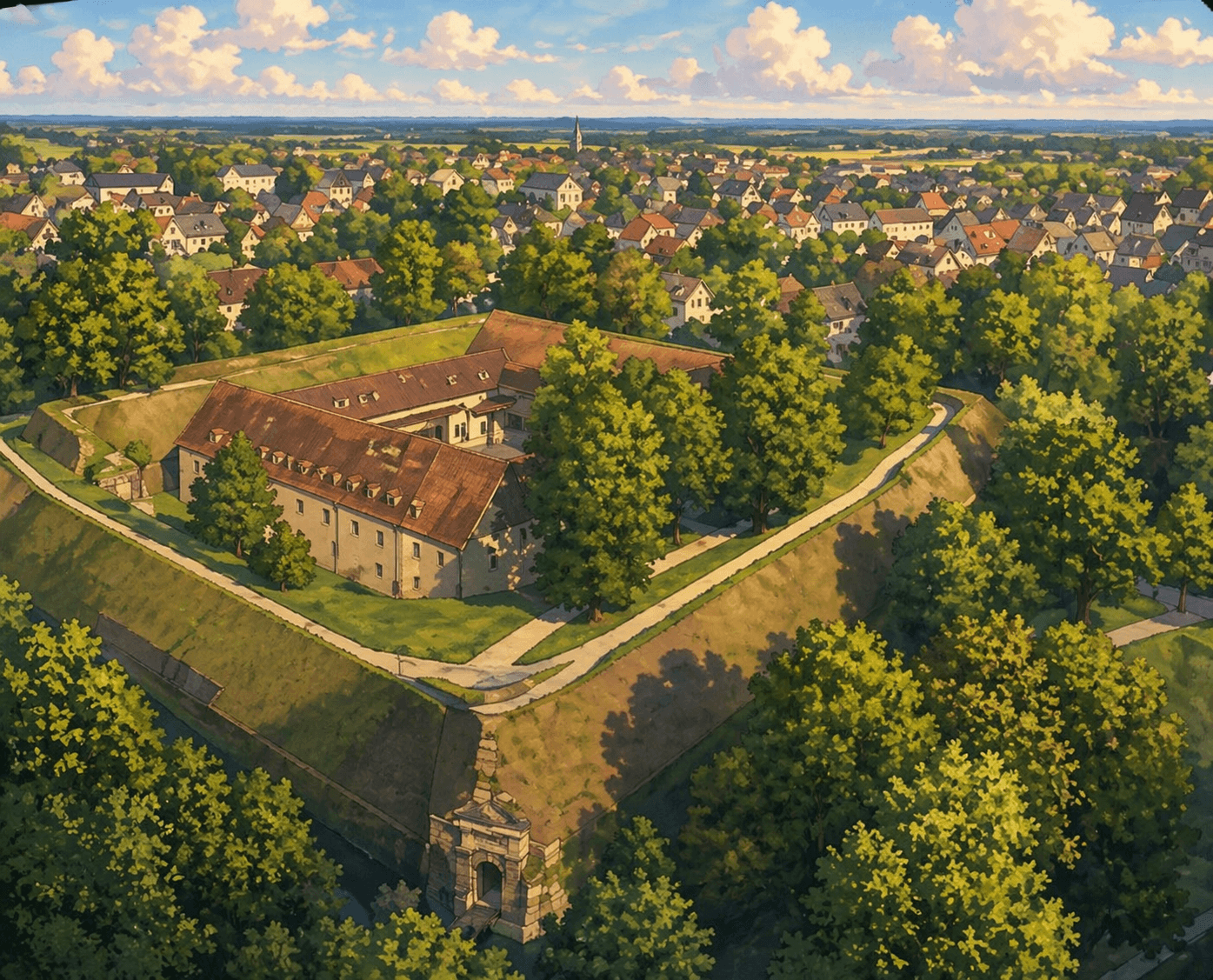
In April 2026, Rüsselsheim made key decisions regarding urban development projects, mobility in the new residential area Eselswiese, and the development of photovoltaic open-field areas. The city plans to further expand childcare and strengthen climate-friendly urban planning.
Mobility and Urban Development in Rüsselsheim: What April 2026 Decided
April 2026 was a significant month in Rüsselsheim, marked by far-reaching decisions that will shape the city's future development. Three central topics were at the forefront: the expansion of mobility in the new residential area Eselswiese, the framework for open-field photovoltaics, and the provision of childcare facilities within the municipal education system. The administration and council fractions worked on pragmatic yet sustainable solutions that take into account both infrastructural and climatic challenges.
Eselswiese: Train Station Rejected, but Mobility Remains a Topic
The most controversial decision of the month concerned the new residential area Eselswiese. A feasibility study for a train station in Bauschheim, near the new development, showed that the construction costs would amount to approximately 11 million euros. With a benefit-cost ratio of 0.0288, the project was economically unviable and not eligible for funding. Therefore, it was decided not to pursue the train station further.
Despite this setback, mobility remains a central element of the development. The city plans to expand local public transport through bus connections and to create an attractive infrastructure for pedestrian and cycling traffic. The planned train station was part of a broader mobility concept that was to integrate sharing services such as e-car sharing, e-scooters, and bike sharing. Although the train station was rejected, the connection of the new residential area to the regional rail network remains a topic that will be further examined in the future—possibly at other locations or with different financing models.
Photovoltaics: Urban Development Concept as a Framework
Another central topic was the development of a framework for open-field photovoltaics. The city of Rüsselsheim plans to create an urban development concept that regulates the designation of photovoltaic open-field potentials. This involves not only technical feasibility but also the competition between land requirements for photovoltaics, agriculture, and climate compensation functions.
An assessment based on criteria such as soil value index, distance to transformer stations, and landscape protection areas is intended to help choose sustainable locations for photovoltaic installations. The goal is to create a potential inventory that can serve as a basis for urban development plans. At the same time, a design guideline is being developed to regulate the arrangement, density, and green design of the installations. The city aims to enable a transparent and sustainable planning process that also takes into account the landscape's climate compensation function.
Childcare: Expansion of Places and Staff Planning
In addition to urban and climate-related topics, the expansion of childcare was also in focus. Rüsselsheim plans to create a total of 168 new childcare places in the childcare year 2026/2027, which would increase the childcare quota for primary school children to 62%. The city is also increasing the municipal contribution for several schools to finance the expansion of childcare offers.
In the under-three age group, it has been determined that 466 childcare places are currently available—enough to accommodate all registered children. Nevertheless, the city remains cautious and plans to reassess staffing needs in the 2027 budget to respond to potential future demand increases. The increase in professional working hours will be financed through a municipal contribution, which is covered by reduced expenditures in other areas.
Outlook: Sustainability and Planning Security
The decisions of April 2026 show that Rüsselsheim has a clear focus on sustainability, planning security, and social infrastructure. Although the train station in Eselswiese will not be realized, the topic of mobility remains a central element of urban development. At the same time, the expansion of childcare is seen as a key factor in achieving the compatibility of family and work. And with the framework for open-field photovoltaics, the city is sending an important signal for climate protection.
In May 2026, it will be important how these decisions are translated into concrete planning—and whether the city can mobilize the necessary resources and funding in the coming years to achieve its goals.
NeoSearch analyses public council documents, committee minutes and municipal announcements. Source references appear automatically once verified meeting data is available.
What does this mean for businesses?
Urban development, zoning plans and commercial settlements create early construction and supply opportunities. Following council decisions reveals projects before they go to tender.
Track similar decisions in your region
Set up monitoring for economic development in Hessen — prefilled from this article.
Set up monitoring →More signals from Ruesselsheim
Governance and Administration in Rüsselsheim – April 2026
In April 2026, Rüsselsheim saw several key decisions in the areas of governance and administration. The Foreign Advisory Board, the City Council, and the Senior Advisory Board made important strategic decisions with long-term implications.
Read more → Childcare Places in Rüsselsheim: Challenges and Progress in April 2026
In April 2026, Rüsselsheim focused on key decisions regarding the planning of childcare places for children under three, preschoolers, and primary school children. The city has prepared for the challenges posed by declining birth rates and increasing childcare demand.
Read more → April 2026: New Committees, Childcare Spaces, and Climate-Friendly Measures
In April 2026, Rüsselsheim set important course corrections: new local advisory committees were established, childcare spaces were expanded, and climate-friendly projects were initiated. Here is the monthly review.
Read more →