Governance and Administration in Rüsselsheim – April 2026
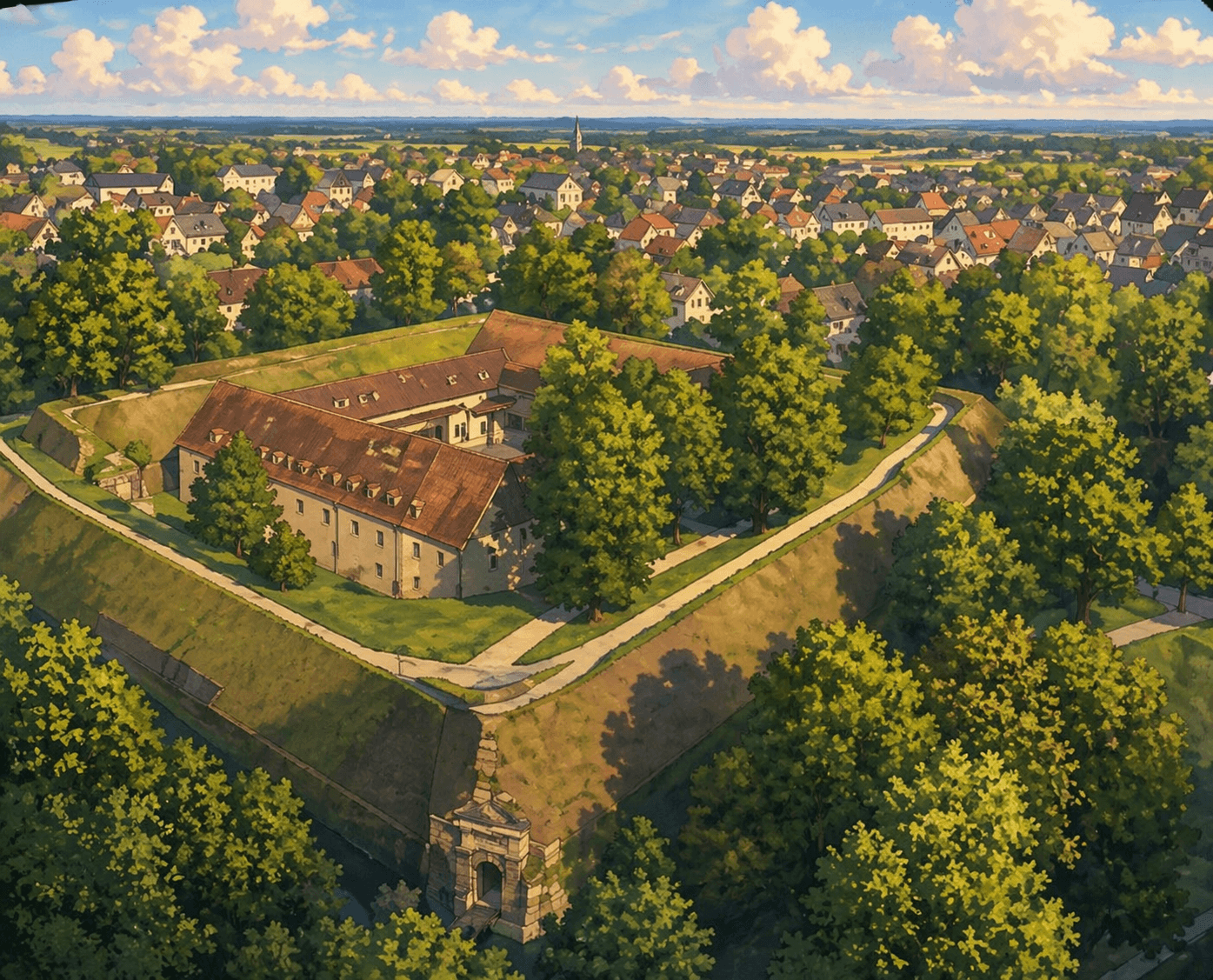
In April 2026, Rüsselsheim saw several key decisions in the areas of governance and administration. The Foreign Advisory Board, the City Council, and the Senior Advisory Board made important strategic decisions with long-term implications.
Governance in Action – Rüsselsheim April 2026
The April meetings in Rüsselsheim reflected the dynamics of a city actively preparing for future challenges. In bodies such as the Foreign Advisory Board, the City Council, and the Senior Advisory Board, not only were formal structures reorganized, but political priorities for the legislative period 2026–2031 were also established.
Foreign Advisory Board: New Structures and Election Proposals
The Foreign Advisory Board was the focus of several decisions in April. At the constitutive meeting on April 22, Mostafa Lyazami was proposed by the city administration as secretary, supported by Erika Hentschel as deputy. These proposals followed the Hessian Municipal Code and were addressed in the document DS-38/26-31.
A key focus was the preparation for the meeting on April 29, during which the advisory board's rules of procedure were to be amended. List 2000 submitted a motion to increase the number of deputies of the chairperson from six to seven. Additionally, a proposal for a new regulation of § 12 (Elections) was introduced to improve transparency and representativeness.
The lists L2000, So-li, Abi, and Ali reached agreement on a number of representatives to be assigned to various committees, such as the Culture, Education, and Sports Committee or the Youth Welfare Committee. Candidates such as Adnan Dayankac, Bilal Alp, and Yildiray Safel were proposed.
City Council: Constitutive Session and Seat Allocation
On April 23, the constitutive session of the City Council took place, where important structural questions were addressed. Stefanie Kropp was proposed by the CDU faction as chairperson, and Nadine Hartmann was confirmed as secretary. The legislative period 2026–2031 began with the confirmation of seat allocation and the formation of committees.
A particular role was played by a motion from the AfD faction requesting a postponement of the validity declaration of the municipal elections held on March 15, 2026. The AfD faction alleged irregularities in postal voting districts 1, 8, and 10, where the voter group Abi achieved unusually high vote shares. The motion proposed a review by the Main and Finance Committee to uphold democratic due diligence.
In addition, a motion from the CDU faction for the amendment of the rules of procedure was discussed, which among other things regulated the wearing of politically symbolic clothing in the City Council. The aim was to organize the proceedings and prevent disruptions without suppressing freedom of expression.
Senior Advisory Board: Outlook on the Future of Senior Work
The Senior Advisory Board met on April 23 and addressed the upcoming election in 2026. Wolfgang Merz, chairman of the board, led the discussions, which also focused on current proposals from the City Council. The board also discussed the Feuerdorn 2026, a symbolic event of the city that emphasizes the appreciation of seniors.
Outlook: Governance as a Key to the Future
The April meetings in Rüsselsheim show how governance and administration are preparing the city for the future. The decisions made in the Foreign Advisory Board, the City Council, and the Senior Advisory Board not only reflect political priorities but also the requirements of transparency, representativeness, and democratic oversight.
In the coming months, it will be particularly important to establish the new structures and address the issue of trust in the elections. The role of the committees, as defined in April 2026, will prove to be key to political stability and the participation of citizens.
NeoSearch analyses public council documents, committee minutes and municipal announcements. Source references appear automatically once verified meeting data is available.
What does this mean for businesses?
Town halls, fire stations, depots and administrative buildings create early construction and refurbishment opportunities. Following council agendas reveals projects before they go to tender.
Track similar decisions in your region
Set up monitoring for public buildings & administration in Hessen — prefilled from this article.
Set up monitoring →More signals from Ruesselsheim
Childcare Places in Rüsselsheim: Challenges and Progress in April 2026
In April 2026, Rüsselsheim focused on key decisions regarding the planning of childcare places for children under three, preschoolers, and primary school children. The city has prepared for the challenges posed by declining birth rates and increasing childcare demand.
Read more → April 2026: New Committees, Childcare Spaces, and Climate-Friendly Measures
In April 2026, Rüsselsheim set important course corrections: new local advisory committees were established, childcare spaces were expanded, and climate-friendly projects were initiated. Here is the monthly review.
Read more → Rüsselsheim April 2026: Urban Development, Mobility, and Climate Protection in Focus
In April 2026, Rüsselsheim made key decisions regarding urban development projects, mobility in the new residential area Eselswiese, and the development of photovoltaic open-field areas. The city plans to further expand childcare and strengthen climate-friendly urban planning.
Read more →