April 2026: New Committees, Childcare Spaces, and Climate-Friendly Measures
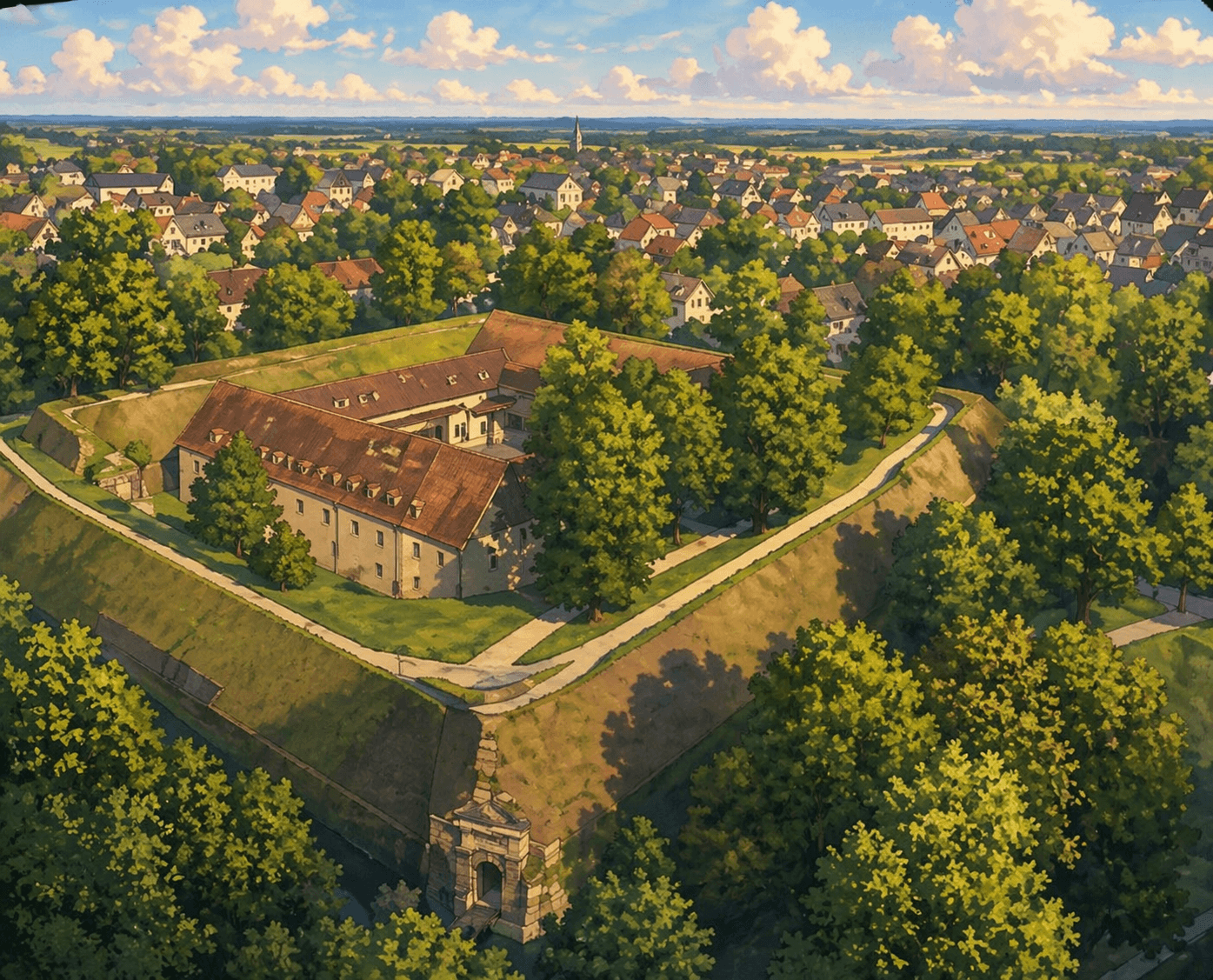
In April 2026, Rüsselsheim set important course corrections: new local advisory committees were established, childcare spaces were expanded, and climate-friendly projects were initiated. Here is the monthly review.
Rüsselsheim in April: Committees Reassigned, Childcare Expanded, Climate in Focus
What was important this month
- New local advisory committees established: In Königstädten and Bauschheim, new local advisory committees were elected and assigned new leadership figures.
- Expansion of childcare spaces: Additional childcare spaces were approved for primary school children, children under the age of three, and kindergartens, accompanied by increased municipal subsidies.
- Climate-friendly course corrections: A photovoltaic potential analysis was initiated to identify climate-appropriate open spaces for solar installations.
- Realignment of the Foreign Advisory Committee: The Foreign Advisory Committee has appointed new leadership and made proposals for committee mandates.
- New committee structure: In the City Council, changes were approved to the main bylaws and rules of procedure.
Local advisory committees reassigned: Königstädten and Bauschheim
In April, the local advisory committees for Königstädten and Bauschheim were reconstituted. In Königstädten, Stefanie Kropp (CDU) was elected as the new chairperson, supported by deputy chairpersons Felix Walczuch and Birgit Steinborn. In Bauschheim, Lena-Marie Jockel was elected as secretary, supported by Sofie Bayer as deputy.
Both local advisory committees addressed local issues such as childcare planning, transportation infrastructure, and the future of local retail. In Bauschheim, it was also decided not to pursue the request for a new train station due to high costs and low usage.
Childcare in focus: 168 new spaces approved
Childcare was a major focus in April. In Königstädten, the local advisory committee approved the creation of 168 new childcare spaces at primary schools. The municipal subsidy will increase from 420,000 € to 690,000 €. Additionally, measures were decided to convert full-day childcare spaces into basic childcare spaces at several kindergartens. This is part of the target coverage rate of 62%, as outlined in the Hessian Education and Care Plan.
In Bauschheim, planning for the expansion of childcare spaces for children under three and school starters was reviewed. The current demand for trained staff is increasing, while support in domestic services is decreasing.
Climate-friendly course corrections: Photovoltaic potential and public transport planning
In April, Rüsselsheim took initial steps toward climate-friendly measures. In Bauschheim, a photovoltaic open-space potential analysis was initiated, aiming to identify climate-adapted solar installations in combination with the district's climate analysis and the regional land use plan. In addition, the city is exploring how the new residential area Eselswiese can be better connected to the rail network, particularly through more cost-effective alternatives to train stations.
These measures show that Rüsselsheim is not only responding to local needs but also actively addressing the challenges of climate change.
Foreign Advisory Committee and Senior Citizens Committee: New structures and proposals
The Foreign Advisory Committee reconstituted in April, and Mostafa Lyazami was reappointed as secretary. In addition, proposals for committee mandates were submitted, including for the HuFA (Home and Leisure Activities), KSSpA (Children's and School Sports), and the City Council. List 2000 also advocated for an increase in deputy presidencies, to give smaller groups better opportunities.
In the Senior Citizens Committee, the 2026 Senior Citizens Committee elections were a central topic. Organizational aspects and legal foundations were discussed, and the Firethorn 2026 event was addressed, in which the Senior Citizens Committee will play an active role.
Setting the course for 2026–2027
In addition to the constitutive meetings, long-term course corrections were also made. In the City Council, the main bylaws were revised, including adjustments to § 2 (1). In addition, new specialist committees were established, and the rules of procedure are being revised to strengthen transparency and representation.
Rüsselsheim is moving toward a greater involvement of citizens in urban development, whether through new childcare services, climate-friendly projects, or more transparent committee work.
Outlook for May 2026
In May, the approval of photovoltaic potentials and the further planning of childcare spaces will take place. In addition, the newly reconstituted committees will begin their work and submit initial proposals for projects and measures. Citizens can look forward to greater transparency and stronger collaboration in urban development.
NeoSearch analyses public council documents, committee minutes and municipal announcements. Source references appear automatically once verified meeting data is available.
What does this mean for businesses?
Schools, daycare centres and public buildings create early planning and construction opportunities. Following council agendas surfaces tenders for refurbishment, new builds and fit-out months before the official award — from shell construction to specialist planning to furnishing.
Track similar decisions in your region
Set up monitoring for education & public facilities in Hessen — prefilled from this article.
Set up monitoring →More signals from Ruesselsheim
Governance and Administration in Rüsselsheim – April 2026
In April 2026, Rüsselsheim saw several key decisions in the areas of governance and administration. The Foreign Advisory Board, the City Council, and the Senior Advisory Board made important strategic decisions with long-term implications.
Read more → Childcare Places in Rüsselsheim: Challenges and Progress in April 2026
In April 2026, Rüsselsheim focused on key decisions regarding the planning of childcare places for children under three, preschoolers, and primary school children. The city has prepared for the challenges posed by declining birth rates and increasing childcare demand.
Read more → Rüsselsheim April 2026: Urban Development, Mobility, and Climate Protection in Focus
In April 2026, Rüsselsheim made key decisions regarding urban development projects, mobility in the new residential area Eselswiese, and the development of photovoltaic open-field areas. The city plans to further expand childcare and strengthen climate-friendly urban planning.
Read more →