Climate Protection and Environment in Frankfurt – Highlights of January 2026
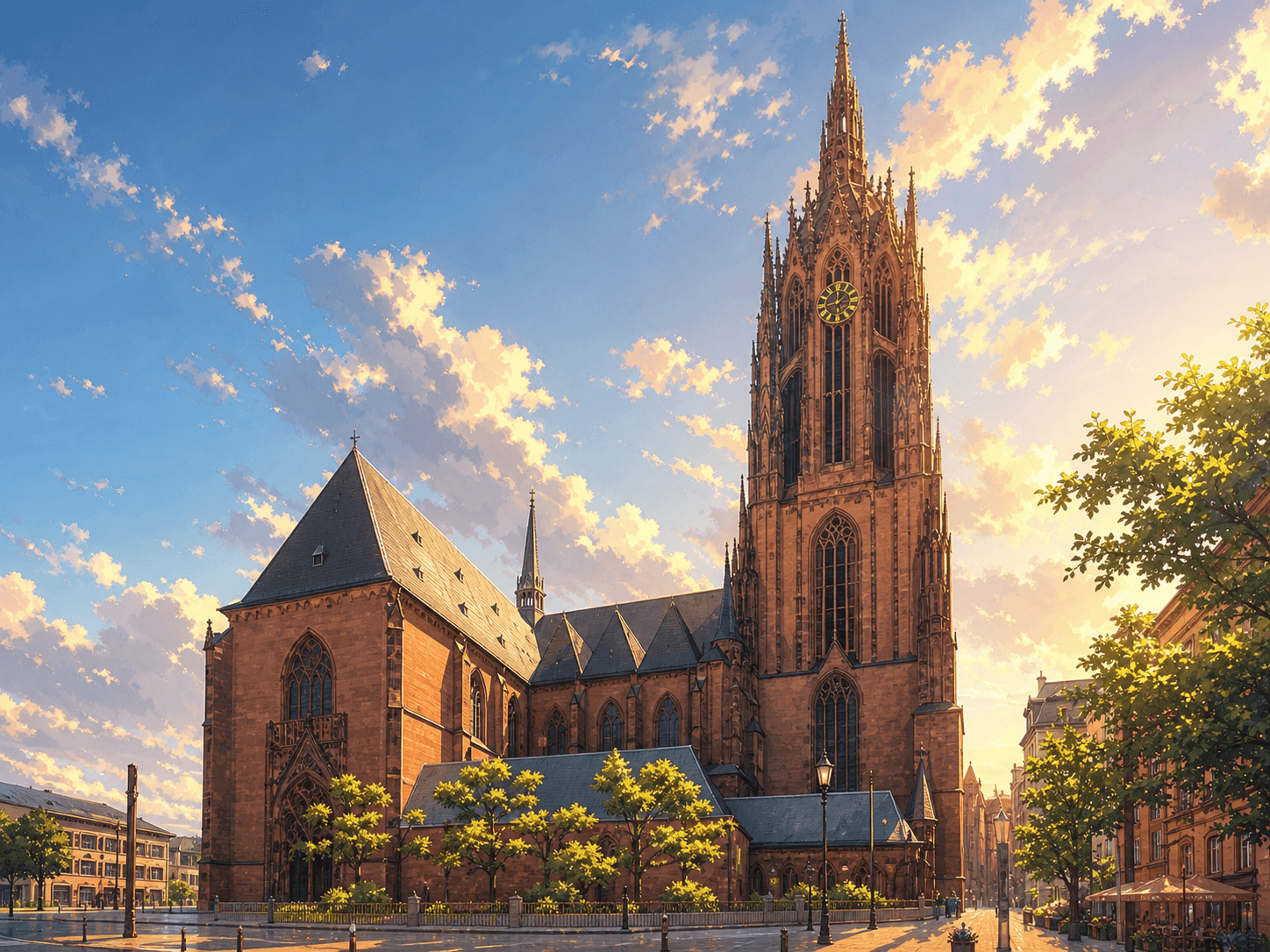
In January 2026, Frankfurt made several decisions in the area of climate and environmental protection. Whether it was climate-resilient green spaces, planned sealing reduction projects, or rejected sustainability initiative proposals – the current political dynamics show the challenges and opportunities of Frankfurt's climate policy.
Climate Protection in Frankfurt: What was decided in January 2026?
In January 2026, Frankfurt focused on several significant decisions and debates in the area of climate and environmental protection. The city's committees and municipal council addressed topics such as climate resilience, sustainability strategies, sealing reduction projects, and the implementation of climate-friendly infrastructure. The political discussions revealed both progress and resistance.
Climate-Resilient Green Spaces: The New European Garden 2.0
One of the biggest focal points was the renovation of the European Garden as a climate-resilient green space. The first construction phase, known as the "Inner Park Center", was approved in a construction and funding proposal. Although the proposal by the Garden Party to more closely integrate the Grill’scher Altarm with the Nidda-Altarm was accepted, other suggestions faced resistance. The proposal M 216 was rejected by the FDP and BFF-BIG, while it was supported by the remaining parliamentary groups.
The European Garden 2.0 is part of Frankfurt's broader strategy to create climate-resilient spaces, especially in the city center. The planning is closely linked to the Sustainability Strategy 2030+, which was partially adopted in January and referred for further review.
Rejection of Sustainability Initiatives: Quality Seals and Tire Pressure Checks
Not all proposals received approval. The proposal by the IBF (NR 1482) for regular inspection of tire inflation pumps at gas stations was rejected. Although the proposal aimed to reduce fuel consumption and CO₂ emissions, the majority did not see sufficient urgency in the matter.
Likewise, the proposal to introduce a quality seal for stores that commit to fighting food and resource waste was also rejected. Critics argued that such seals have little measurable impact in practice and that alternative measures, such as consumer campaigns, should be prioritized.
Sealing Reduction and Climate Protection: Progress and Debates
Another central topic was the reduction of sealed surfaces. The city administration presented reports on already implemented projects, including the planting of scattered orchard meadows on the Heiligenstock. In addition, a sealing reduction concept was introduced, which is currently being reviewed in close collaboration with the Committee for Planning, Housing, and Urban Development.
The debate on sealing reduction is closely linked to the climate protection strategy. By avoiding concrete surfaces, cities like Frankfurt can absorb precipitation, improve the urban climate, and promote biodiversity. Nevertheless, political tensions remain, especially regarding how strongly sealing reduction should be integrated into urban development plans.
Outlook: Sustainability Strategy 2030+ and Climate Protection Officer
The Sustainability Strategy 2030+, which was partially adopted, remains a central point of discussion. The proposal by Die Linke (NR 1460) to expand the strategy was rejected, while other proposals on climate resilience and energy efficiency received approval.
Another important topic was the introduction of a climate protection officer for the district of Kalbach-Riedberg. Although the proposal was supported in some committees, it was ultimately rejected, as the majority of council factions did not see a need for an additional position. Critics argued that existing structures were sufficient to address climate challenges.
Conclusion: Between Progress and Resistance
January 2026 shows that Frankfurt remains active in climate policy – with projects such as the European Garden 2.0 and the sealing reduction concept. At the same time, political differences persist, especially regarding the extent of sustainability initiatives. The rejection of quality seals and the debate over the climate protection officer illustrate that practical relevance and feasibility often take precedence over idealistic goals.
For the future, it will be crucial to align climate protection measures with economic and social interests. Only in this way can Frankfurt achieve its ambition to be a climate-friendly and livable city in the long term.
NeoSearch analyses public council documents, committee minutes and municipal announcements. Source references appear automatically once verified meeting data is available.
What does this mean for businesses?
Municipal heat planning, photovoltaics and climate measures create early project indicators. Following council decisions surfaces sites and tenders before they are publicly advertised.
Track similar decisions in your region
Set up monitoring for environment & climate in Hessen — prefilled from this article.
Set up monitoring →More signals from Frankfurt
Governance and Administration in Frankfurt: The Constituent Session of the City Council 2026
The constituent session of the Frankfurt City Council on April 23, 2026 marked the beginning of the 20th electoral term. Numerous decisions were made on the composition of the presidium, the election of the City Council Chairperson, and the organization of committees. The blog provides a detailed insight into the proceedings, decisions, and background.
Read more → Frankfurt Municipal Politics April 2026 – A Change at the Top
In April 2026, the focus in Frankfurt was on the formation of the new City Council. Claudia Korenke was elected as the new Council Chair, and the political faction landscape has been restructured.
Read more → Governance in Frankfurt – March 2026: Decisions, Debates and Challenges
In March 2026, Frankfurt focused on numerous decisions and discussions in the field of governance and administration. The Ältestenausschuss (Standing Committee of Elders) and the Committee for Personnel, Security and Digitalization passed important proposals, rejected others, and referred topics for review. This blog analysis highlights the central debates, the decisions made, and the tensions that arose.
Read more →