Governance in Frankfurt – March 2026: Decisions, Debates and Challenges
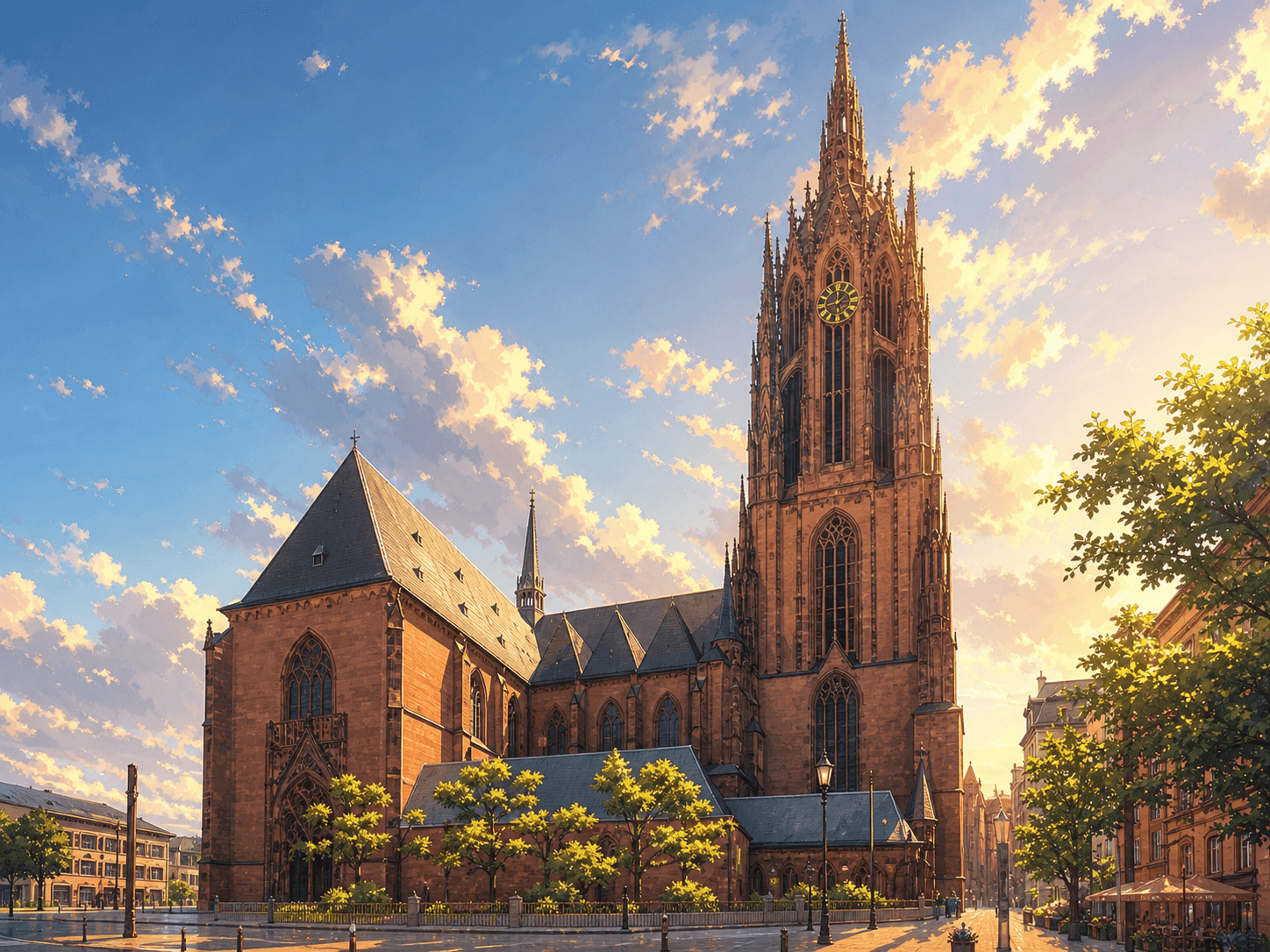
In March 2026, Frankfurt focused on numerous decisions and discussions in the field of governance and administration. The Ältestenausschuss (Standing Committee of Elders) and the Committee for Personnel, Security and Digitalization passed important proposals, rejected others, and referred topics for review. This blog analysis highlights the central debates, the decisions made, and the tensions that arose.
Decision-Making Mechanisms and Political Tensions in Frankfurt's Governance Structures
The political structures in Frankfurt this year are characterized by a wide range of decisions that were both consensus-driven and controversially discussed. In March 2026, the meetings of the Ältestenausschuss and the Committee for Personnel, Security and Digitalization were particularly in focus. These two committees reflected the broad political landscape of the city and demonstrated how decisions are made – or not made – in a pluralistic city council.
The Role of the Ältestenausschuss: Consensus and Controversies
The Ältestenausschuss met on March 5, 2026, and passed several proposals, with clear differences in opinion also becoming apparent. The assembly approved Proposal M 44 (Sale of land to TenneT TSO GmbH) in the submitted version. This decision was supported by all present factions without notable resistance.
In contrast, Proposal NR 1552 was rejected, indicating political tensions. Similarly, Proposal NR 1556, which aimed to secure the music venue "Südbahnhof," was referred to the Magistrat for review. This illustrates how sensitive political debates in Frankfurt can be – especially when it comes to cultural identity and local interests.
The fact that all agenda items were unanimously passed highlights the efficiency of the Ältestenausschuss. At the same time, it becomes clear that not all topics can be decided in this manner – some require more time, others more political consensus.
Personnel, Security and Digitalization – Challenges in the Committee
The Committee for Personnel, Security and Digitalization met on March 2, 2026, and was marked by clear political tensions. Numerous budget proposals were rejected, including E 105, E 160 and E 162. These rejections show that not every political initiative receives sufficient support to be realized.
A central topic was the strengthening of the municipal police. Budget Proposal E 11 ("Making Frankfurt Safe Again – Strengthening the Municipal Police") was approved in the submitted version. Here, a clear alliance emerged between the Greens, SPD and Volt, supported by Councilor Bäppler-Wolf. The CDU, BFF-BIG and AfD voted against this proposal, indicating differing priorities in security policy.
There were also decisions regarding digitalization. For example, Budget Proposal E 165 (Digitalization of the Administration) was approved. At the same time, the CDU's proposal to "Make Digitalization Citizen-Friendly and Secure" was rejected, highlighting differences in the approach to digital topics.
Governance in Action: From Decision to Implementation
Another interesting element was the election of mediators for various districts. Luise Michèle Gantzer was elected as a mediator for District 4 (Bornheim, Ostend). This decision underscores the role of the city council not only in political, but also in administrative decisions.
In addition, the fiber-optic network expansion was discussed – a project that has gained in importance in Frankfurt in recent years. The investment of 10.45 million euros shows that Frankfurt remains active in infrastructure policy. At the same time, budget proposals suggesting stronger traffic monitoring were rejected, indicating a balance between security needs and civil rights.
Outlook: Governance in Frankfurt in 2026
The decisions of March 2026 show that Frankfurt operates both as a consensus-oriented and as a controversial city within its governance structure. While some proposals were unanimously adopted, other topics remained politically contentious. This is not necessarily negative, but rather a sign of a vibrant democratic process.
The future will also show how these structures continue to evolve – particularly with regard to topics such as digitalization, security and the role of the administration in urban society. The debates in the city council and its committees remain a central indicator of Frankfurt's political dynamics.
NeoSearch analyses public council documents, committee minutes and municipal announcements. Source references appear automatically once verified meeting data is available.
What does this mean for businesses?
Town halls, fire stations, depots and administrative buildings create early construction and refurbishment opportunities. Following council agendas reveals projects before they go to tender.
Track similar decisions in your region
Set up monitoring for public buildings & administration in Hessen — prefilled from this article.
Set up monitoring →More signals from Frankfurt
Governance and Administration in Frankfurt: The Constituent Session of the City Council 2026
The constituent session of the Frankfurt City Council on April 23, 2026 marked the beginning of the 20th electoral term. Numerous decisions were made on the composition of the presidium, the election of the City Council Chairperson, and the organization of committees. The blog provides a detailed insight into the proceedings, decisions, and background.
Read more → Frankfurt Municipal Politics April 2026 – A Change at the Top
In April 2026, the focus in Frankfurt was on the formation of the new City Council. Claudia Korenke was elected as the new Council Chair, and the political faction landscape has been restructured.
Read more → The 2026 Budget in Frankfurt: Between Investments, Consolidation, and Political Resistance
In March 2026, the City Council of Frankfurt approved the budget for the year 2026. The Magistrat's draft was shaped by numerous amendments that reflect political debates and compromises. In this blog article, we analyze the key decisions, the background, and the implications of the budget for urban development.
Read more →