Governance and Administration in Frankfurt: The Constituent Session of the City Council 2026
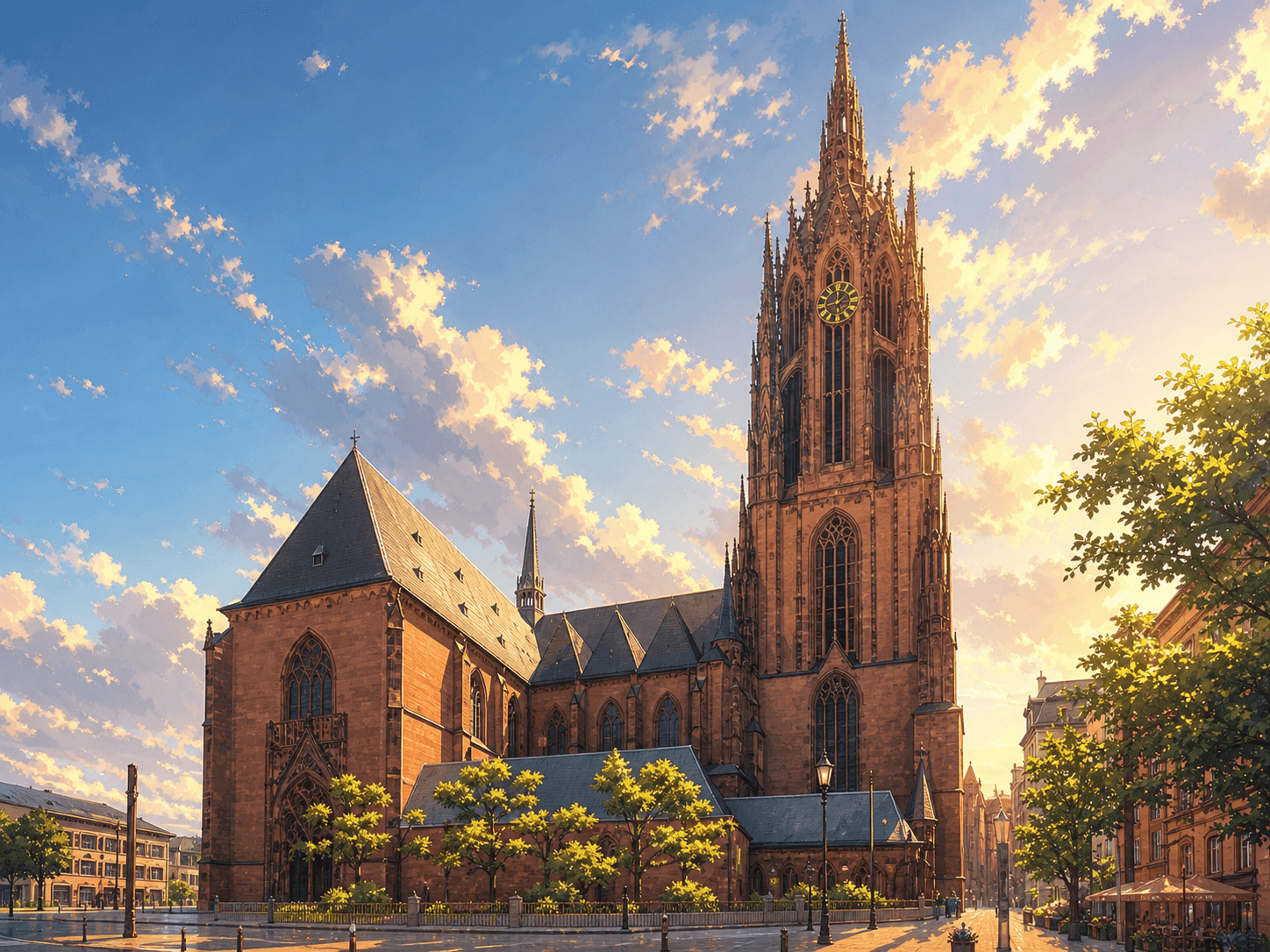
The constituent session of the Frankfurt City Council on April 23, 2026 marked the beginning of the 20th electoral term. Numerous decisions were made on the composition of the presidium, the election of the City Council Chairperson, and the organization of committees. The blog provides a detailed insight into the proceedings, decisions, and background.
The Constituent Session of the City Council 2026
On April 23, 2026, the constituent session of the Frankfurt City Council (Stadtverordnetenversammlung, STVV) took place. This session marks the beginning of the 20th electoral term and is decisive for the distribution of responsibilities, the election of leading figures, and the organization of future work at the Römer City Hall. The session was characterized by the adherence to the Hessian Municipal Code (HGO), the STVV Rules of Procedure, and transparent processes that reflect the democratic structure of the city administration.
Election of the City Council Chairperson
One of the central tasks of the constituent session was the election of the City Council Chairperson, who presides over the STVV. Claudia Korenke was proposed by the CDU parliamentary group and elected in a secret ballot with 83 out of 93 votes. She accepted the election and delivered an inaugural speech. The vote was clear, with 9 votes against her. Korenke's election underlines the strength of the CDU in the STVV, which holds 23 seats and is the largest parliamentary group.
The election was supervised by the senior president Luigi Brillante (ÖkoLinX-ELF-PARTEI), who was appointed in accordance with § 57 HGO, as he has been a member of the STVV since 2001. The members of the electoral committee came from various parties to ensure fairness and transparency.
Presidium and Committees: Structure and Appointments
In addition to the election of the City Council Chairperson, the deputy chairpersons, alternate members, and secretaries were also elected. The appointments were made according to the proportional representation system outlined in § 55 (4) HGO. The CDU, Greens, and SPD dominated the seats, with smaller parties such as The Left and AfD also represented. Particularly noteworthy was the random draw for one of the secretary positions, which fell to the AfD.
The elected individuals – including Dr. Veronica Fabricius, Sabine Fischer, and Martina Düwel – accepted their appointments and will play a central role in the organization and documentation of STVV sessions in the coming years. The appointment of committee members, however, was postponed to a later session to allow sufficient time for a balanced distribution.
Dates and Rules of Procedure: Planning for the Future
Another focus of the session was future planning. The 2026 meeting calendar was approved, including dates for the next plenary sessions, the Main and Finance Committee, and the Elder’s Committee. The second plenary session is scheduled for May 21, 2026, with the question and motion handling procedures already defined.
The Rules of Procedure of the City Council (GOS) and the Local Advisory Boards (GOOBR) were confirmed, meaning that the procedures and processes of the STVV will largely remain unchanged in the upcoming electoral term. The digital broadcasting of the session, which took place during this meeting, will continue in the future to promote transparency and public participation.
Conclusion: A Solid Start for the 20th Electoral Term
The constituent session of the City Council on April 23, 2026 was characterized by structured and transparent procedures. The election of City Council Chairperson Claudia Korenke and the appointment of the presidium mark a clear political orientation that results from the distribution of seats among the parliamentary groups. With the planning of future dates and the confirmation of the Rules of Procedure, the STVV has laid a solid foundation for the 20th electoral term.
The challenge for the coming months will be to use this structure efficiently and in a citizen-oriented manner to make political decisions. Adherence to democratic processes and transparency remain central principles that strengthen Frankfurt as a modern and participatory city.
NeoSearch analyses public council documents, committee minutes and municipal announcements. Source references appear automatically once verified meeting data is available.
What does this mean for businesses?
Town halls, fire stations, depots and administrative buildings create early construction and refurbishment opportunities. Following council agendas reveals projects before they go to tender.
Track similar decisions in your region
Set up monitoring for public buildings & administration in Hessen — prefilled from this article.
Set up monitoring →More signals from Frankfurt
Frankfurt Municipal Politics April 2026 – A Change at the Top
In April 2026, the focus in Frankfurt was on the formation of the new City Council. Claudia Korenke was elected as the new Council Chair, and the political faction landscape has been restructured.
Read more → Governance in Frankfurt – March 2026: Decisions, Debates and Challenges
In March 2026, Frankfurt focused on numerous decisions and discussions in the field of governance and administration. The Ältestenausschuss (Standing Committee of Elders) and the Committee for Personnel, Security and Digitalization passed important proposals, rejected others, and referred topics for review. This blog analysis highlights the central debates, the decisions made, and the tensions that arose.
Read more → The 2026 Budget in Frankfurt: Between Investments, Consolidation, and Political Resistance
In March 2026, the City Council of Frankfurt approved the budget for the year 2026. The Magistrat's draft was shaped by numerous amendments that reflect political debates and compromises. In this blog article, we analyze the key decisions, the background, and the implications of the budget for urban development.
Read more →