Youth Policy in Frankfurt (Oder): Challenges, Structures, and Future Visions in February 2026
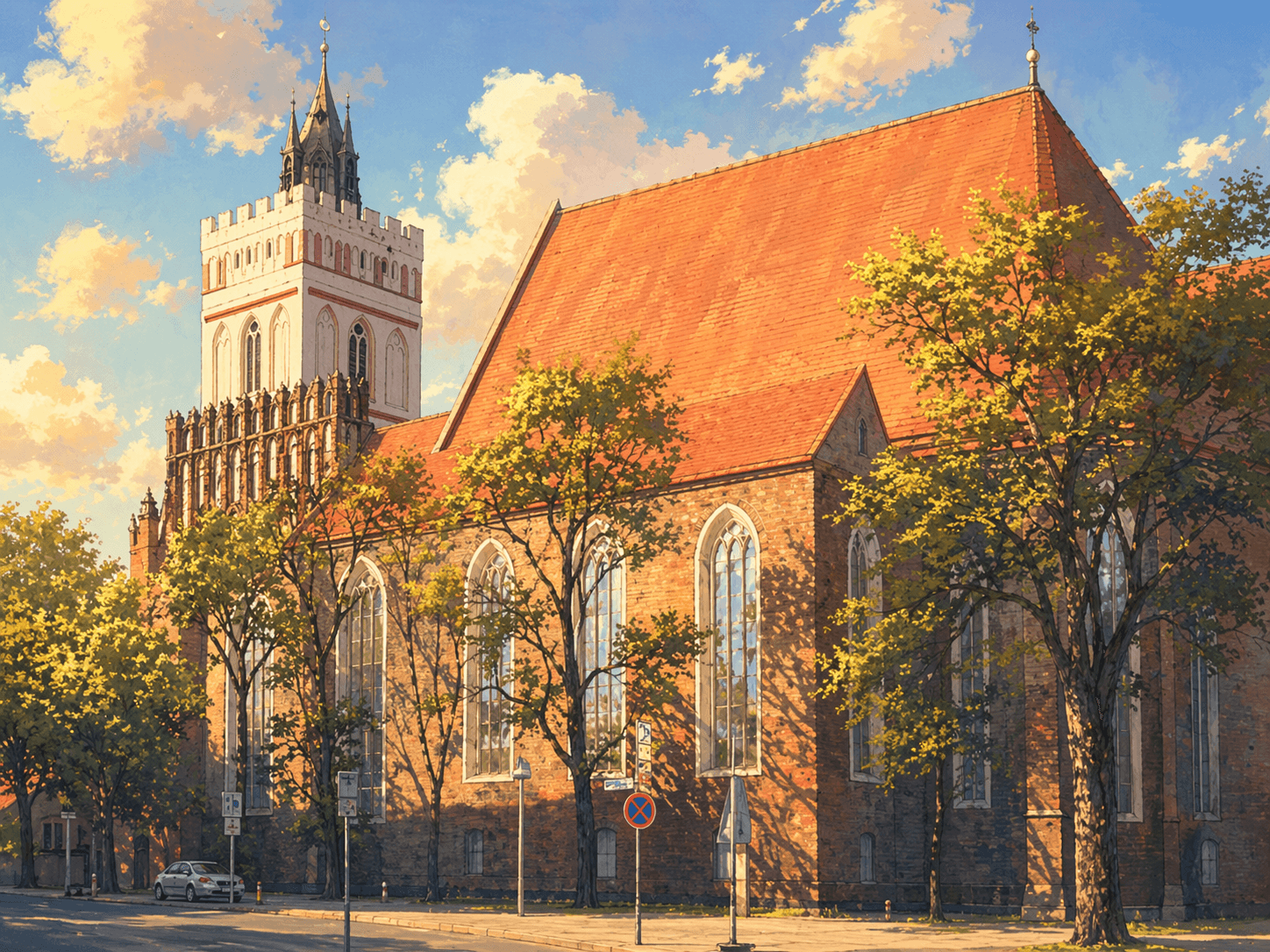
In February 2026, Frankfurt (Oder) focused on key decisions and developments in youth policy. From kindergarten funding through poverty prevention to youth support, the city council and associated committees are working on a comprehensive strategy for the future of the younger generation.
Youth Policy in Frankfurt (Oder): Structures, Funding, and Social Challenges
In February 2026, the city of Frankfurt (Oder) engaged intensively with the future of its youth. A variety of meetings and committees were held to make decisions that will shape the conditions for children and young people in the coming years. Central topics included kindergarten funding, youth support, poverty prevention, and the integration of young people into society.
Kindergarten Funding and the Impact of the Revised Law
Kindergarten funding is a central issue in the city's youth policy. The planned revision of the Kindergarten Law (KitaGesetz) from January 2027 aims to simplify funding structures and align them with federal legislation. At the same time, the implementation of the full-day childcare entitlement in August 2026 will significantly expand childcare options.
However, the reform also brings challenges. Critics point to a lack of legal certainty and insufficient regulations regarding residual costs. Additionally, the question of whether parental contributions will need to be adjusted remains unresolved. The city is critically observing the financial risks of the regional factor model and is calling for a risk premium of 2.5 percent to cushion unexpected additional costs.
Youth Support and Poverty Prevention: Integration through Participation
Frankfurt (Oder) is increasingly focusing on participation and prevention. In February 2026, a survey of children and youth on their experiences with poverty was launched. The goal is to promote equal opportunities and participation, particularly among socially disadvantaged young people. The survey is being conducted in after-school centers, schools, and youth facilities to gather ideas and wishes from the younger generation.
Another focal theme is the integration of young people into society. The federal program "Living Democracy 2026" is being implemented in Frankfurt (Oder), and mobile youth work is being expanded to offer low-threshold services for young people. In addition, an evaluation of the funding for stationary support for young adults (Measure M19) is underway to reassess the demand.
Structural Challenges: Staff Shortages and Funding
Although much is in motion politically, the shortage of qualified personnel remains a central challenge. Currently, about five positions in child and youth work are unfilled. The current number of full-time equivalents is 13.65, which is significantly below the target of one staff member per 250 children and youth.
Funding for youth support is strained. The 2025 operating budget shows a deficit of minus 30.3 million euros—amounting to minus 3.79 million euros for youth work alone. At the same time, costs for school social work, media education, and street social work are rising. Additional funding is needed to ensure the quality of services—especially since expanding services to all 20 schools would require seven to eight additional positions.
Future Perspectives: Integration, Digitization, and Legal Reform
The city is not only looking at the next few months, but also into the future. The planned Integrated Children and Youth Support Law (IKJHG) aims to restructure the legal framework for youth support. Implementation is scheduled for 2028. The goal is to merge the SGB VIII and IX and to create a unified structure for youth support.
At the same time, digital media competence is receiving greater attention. The Youth Information and Media Center at the intergenerational center Mikado is an example of how youth work is being oriented toward media and technology. Mobile youth work is also being expanded to reach young people in public spaces.
Conclusion: A Difficult Balance Between Politics and Practice
Youth policy in Frankfurt (Oder) is in a phase of change. New laws, financial reforms, and social developments require adaptability and political determination. The city is committed to securing the future of its young residents—not only through better care, but also through more participation, more opportunities, and more equality. The challenges are great, but the determination to overcome them is evident.
NeoSearch analyses public council documents, committee minutes and municipal announcements. Source references appear automatically once verified meeting data is available.
What does this mean for businesses?
Schools, daycare centres and public buildings create early planning and construction opportunities. Following council agendas surfaces tenders for refurbishment, new builds and fit-out months before the official award — from shell construction to specialist planning to furnishing.
Track similar decisions in your region
Set up monitoring for education & public facilities in Brandenburg — prefilled from this article.
Set up monitoring →More signals from Frankfurt-Oder
Youth Policy in Frankfurt (Oder): Challenges, Developments, and Perspectives in April 2026
In April 2026, Frankfurt (Oder) focused on numerous youth policy issues – from childcare provision and child protection to educational and prevention programs. The Youth Welfare Committee extensively discussed developments, risks, and potential measures.
Read more → Governance and Administration in Frankfurt (Oder) – April 2026 in Focus
In April 2026, Frankfurt (Oder) saw numerous meetings of local advisory boards and administrative decisions in the areas of governance and administration. The city recorded both structural and communicative progress, while also facing challenges such as staff shortages and slow construction planning.
Read more → Frankfurt (Oder) in the Cultural Spotlight: Jubilee, Music, and Community in April 2026
In April 2026, Frankfurt (Oder) was entirely focused on cultural impulses and social connections. From jubilee preparations to the future of the Brandenburg State Orchestra and educational projects to cross-border cooperation – the month demonstrated how diverse the city shapes its cultural identity.
Read more →