Nuremberg's Transport Policy: Mobility in Focus in January 2026
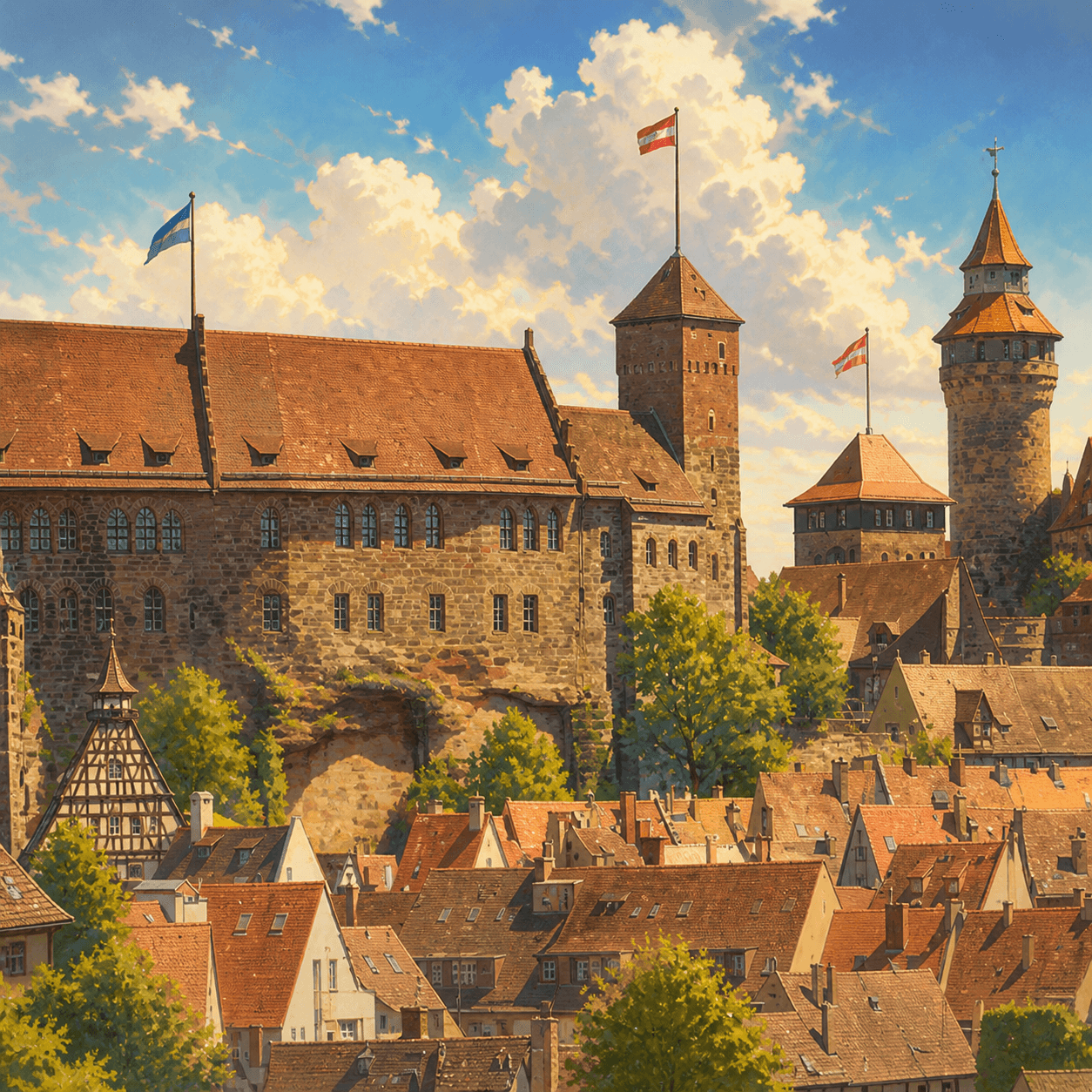
In January 2026, Nuremberg implemented a range of measures aimed at improving road safety, promoting cycling, and redesigning the city route. The Transport Committee made significant decisions that will have a lasting impact on the mobility of citizens.
Mobility as a Key Issue in Nuremberg
In January 2026, mobility was more central than ever in Nuremberg. The Transport Committee addressed current challenges in road traffic, the safety of students on their way to school, the improvement of cycling networks, and the adaptation of road spaces to new urban policy priorities. At the same time, the city is driving forward sustainability and barrier-free access. These measures demonstrate how Nuremberg is continuing to develop its transport policy sustainably in order to meet the demands of the future.
30 km/h Zones and School Route Safety: A Priority for Young Users
A central topic was the establishment of 30 km/h zones, particularly in areas with a high number of students. It was decided to designate Appoldstraße as a 30 km/h zone in order to increase road safety in this sensitive area. In addition, 30 km/h measures were approved in Pirckheimerstraße/Pilotystraße and at Spittlertorgraben to make the route to school for children at the Wilhelm-Löhe-Schule safer.
These measures are part of a comprehensive strategy to improve safety in the urban environment. Implementation will be carried out through signage, road markings, and, if necessary, structural adjustments. These measures are particularly important in areas with high group movement such as bus stops and school zones, where the risks of inattention and red-light violations are especially high.
Cycling and Priority Bicycle Routes: Nuremberg is Building Bridges
The city also launched significant initiatives to promote cycling. Schloßstraße will be converted into a bicycle street and upgraded for priority bicycle route 10. This route connects the eastern part of Nuremberg with the southern district and is a key component of a high-performance cycling network. The measure includes new signage, safety barriers, and red crosswalk areas to increase cyclist safety.
In addition, a new pedestrian and bicycle bridge over the Nordring is being planned to improve the connection between Rollnerstraße and Nordring. This measure is part of a larger project to enhance the Horneckerweg and will be implemented in cooperation with the affected allotment garden associations. The costs amount to approximately 630,000 euros, and the implementation is planned to begin no earlier than 2027.
Traffic Count 2025: Decline in Motorized Traffic
The 2025 traffic count provided valuable insights into the city's traffic development. With 487,642 vehicles/16 hours on the outer ring and 152,096 vehicles/16 hours on the Pegnitz bridges, a slight decline compared to the previous year was observed. This trend has continued since the Corona pandemic, with factors such as home office, demographic changes, and the use of the Deutschland ticket playing a role. At the same time, passenger numbers in public transport increased slightly, indicating a positive trend toward less motorized traffic.
The results of this count are published in a report from the series "News from the Baumeisterhaus" and serve as a basis for planning future transport policy.
Outlook: Mobility as a Central Design Factor
With these measures, Nuremberg is sending clear signals for sustainable and user-friendly mobility. The redesign of streets, the establishment of 30 km/h zones, and the promotion of cycling show how the city is rethinking its road spaces. At the same time, the safety of children and students remains a central focus. The planning is always coordinated with the affected citizens' associations to ensure the acceptance and sustainability of the measures.
In the coming years, Nuremberg will continue to play a leading role in transport policy – not least due to the planned extension of the U3 line and the associated improvements in the outlying areas.
NeoSearch analyses public council documents, committee minutes and municipal announcements. Source references appear automatically once verified meeting data is available.
What does this mean for businesses?
Municipal council decisions are early indicators: following the council agenda surfaces projects and tenders months before the official award — before they ever reach the procurement portals.
Track similar decisions in your region
Set up monitoring for kommunale Projekte in Bayern — prefilled from this article.
Set up monitoring →More signals from Nuernberg
Youth Policy in Nuremberg: Outlook, Sustainability, and Digital Opportunities in April 2026
In April 2026, Nuremberg focused on key decisions and initiatives in youth policy. The Youth Welfare Committee reflected on the past council period, presented plans for the future, and promoted sustainability and digital opportunities in youth organizations.
Read more → Social Policy in Nuremberg: Focus on Violence Prevention and Senior Policy in April 2026
In April 2026, Nuremberg made significant progress in implementing the Istanbul Convention, gender equality work, and senior policy. The Social Committee discussed comprehensive measures to combat domestic violence and to enhance the quality of life for older people.
Read more → Governance and Administration in Nuremberg – April 2026 in Focus
In April 2026, Nuremberg focused on a range of decisions in the areas of governance and administration. From citizen initiatives to personnel and financial measures, to urban structural projects – the city is setting impulses for transparency, efficiency, and future viability.
Read more →