April 2026: New Approaches in Housing, Climate Protection, and Education
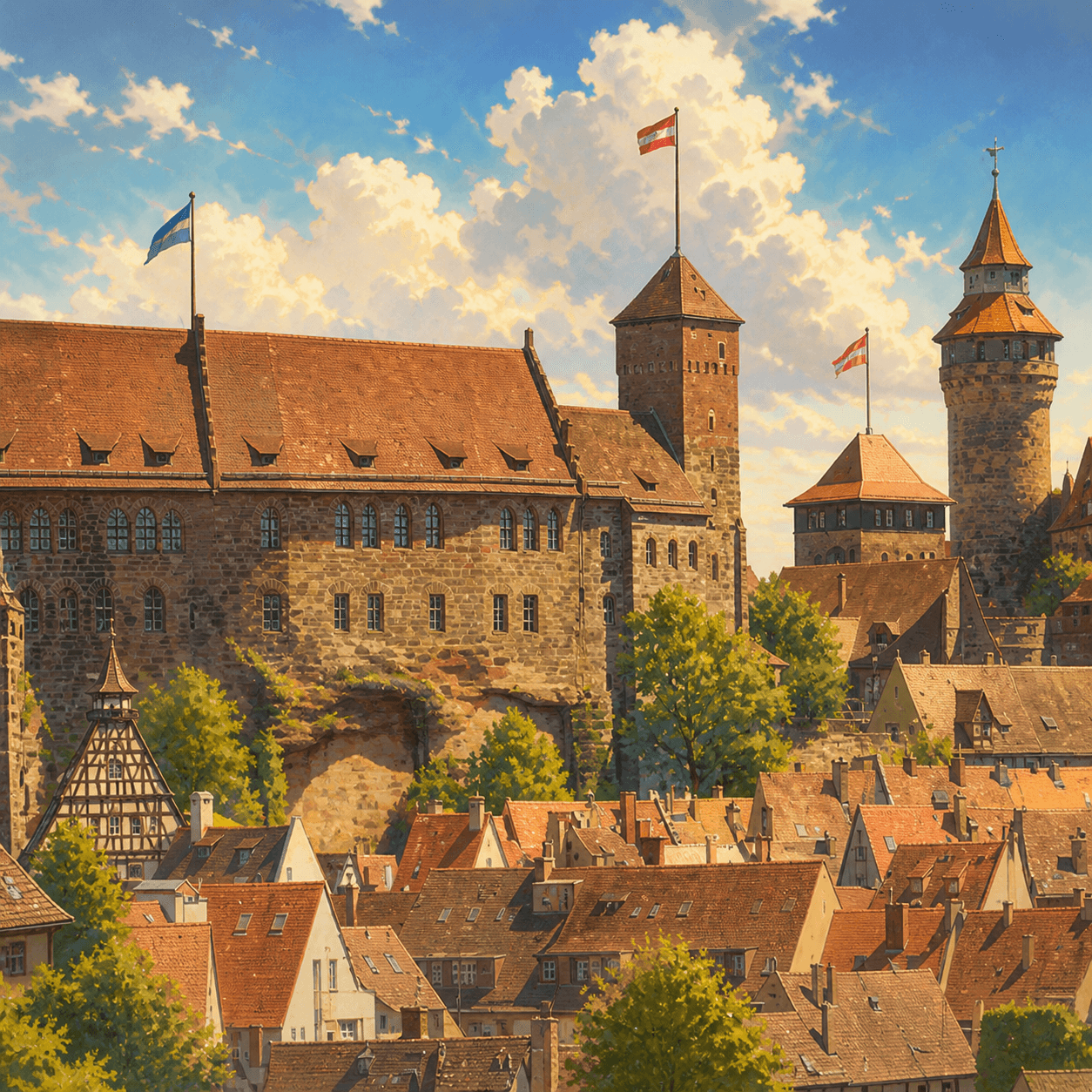
In April 2026, the city of Nuremberg made important decisions for the future – from urban construction and climate adaptation measures to reforms in education. Here is the monthly review.
Urban Planning and Climate Protection in the Spotlight
Housing on the City Edge: Worzeldorf and Tiefes Feld
In April, a milestone in urban planning was achieved. The Zoning Plan No. 4673 "Worzeldorf City Edge" was adopted, providing for 149 residential units, a two-group daycare center, a public green area, and a playground. Particularly noteworthy: 30% of the housing units are reserved for required affordable housing, ensuring a socially mixed housing structure.
Another plan, Zoning Plan No. 4445 B "Tiefes Feld South", was also approved. The plan remained largely unchanged, as no critical comments were submitted. Both projects contribute to the city's long-term urban development and create living spaces in the Nuremberg region.
Climate Protection: Drinking Fountains, Heat, and Waterways
The Environmental Committee decided in April on new measures for climate adaptation. A mobile drinking fountain system was acquired, and water meters will be installed in new fountains to measure and optimize water consumption. The total costs amount to 10,000 euros.
In addition, the Heat Action Plan (HAP-acute) was evaluated over four years and optimized in its seasonal orientation. The focus will now be more on measures in spring to mitigate heat periods at an early stage.
In the area of waterway development, it was decided to utilize exposure potentials and integrate waterway development concepts into future planning processes. This is an important step for climate protection and flood protection in the city.
Education: New Swimming Concept and Fee Reform
The School Committee decided in April on the introduction of a new fee model for the Institute for Pedagogy and School Psychology (IPSN) and the Energy and Environment Center. This model simplifies administrative processes and ensures fairer fees, regardless of personal characteristics.
In addition, a new swimming concept was discussed, which is intended to further professionalize and expand swimming instruction in the city. In the Nuremberg Vocational College (BON), a project on evidence-based schools will also be continued, funded by state teacher hours.
Waste Management and Transport: Circular Economy and Construction Projects
Circular Retail Store: Pilot Project from 2027
The Waste Management Committee approved a pilot project for a "Circular Retail Store", to be implemented from 2027. This project aims to sort and reuse waste in the city more specifically and efficiently. For this purpose, 1.0 full-time positions are planned for management and 0.5 full-time positions for marketing.
Road Construction and Bridge Maintenance
In April, several construction projects were approved. The demolition of the bridge structures BW 1.076 and BW 1.188 in the Stadenstraße was unanimously approved. The total costs amount to 5.6 million euros.
In addition, an object plan for the complete renovation of the Landgrabenstraße was approved, with total costs of 4.13 million euros. The work will begin in early 2027 and is expected to be completed by the end of 2028.
Social and Youth Affairs: Equality, Senior Policy, and Digital Opportunities
Equality Action Plan and Senior Policy
The Social Committee discussed the Equality Action Plan 2024–2027, which includes a total of 218 measures, 92 of which directly contribute to prevention and combating domestic violence. In addition, the new version of the City Council for the Elderly Ordinance was recommended, which modernizes and expands the City Council for the Elderly system.
Youth Policy and Digital Inclusion
The Youth Welfare Committee decided in April on a pilot project for the continued use of PCs in children's and youth facilities. More than 60 Linux PCs were distributed to 26 facilities by March 2026 to promote digital equality.
In addition, the campaign "Nuremberg Digga!" was launched, which is conducted in cooperation with the Media Center Parabol and the Youth Office and aims to involve young people more in city politics. 60,000 euros were allocated for public relations.
Overview: Where is the City?
The decisions in April 2026 show a clear picture: Nuremberg is investing in climate-friendly urban development concepts, social justice, and digital opportunities for all age groups. At the same time, the administration is ensuring that financial stability is also guaranteed in the future – whether through personnel measures or through investments in infrastructure.
The city has shown itself this month as a shaping force that relies on sustainability, inclusion, and innovation. With the Climate Advisory Board, new housing projects, and digitization in youth welfare, Nuremberg will remain a livable home for its citizens in the coming years.
Outlook: May 2026
Further decisions are expected in May, particularly in the area of 2027 budget planning and support for cultural projects. In addition, the Climate Advisory Board will begin its work, which will further strengthen climate policy in the city.
NeoSearch analyses public council documents, committee minutes and municipal announcements. Source references appear automatically once verified meeting data is available.
What does this mean for businesses?
Urban development, zoning plans and commercial settlements create early construction and supply opportunities. Following council decisions reveals projects before they go to tender.
Track similar decisions in your region
Set up monitoring for economic development in Bayern — prefilled from this article.
Set up monitoring →More signals from Nuernberg
Youth Policy in Nuremberg: Outlook, Sustainability, and Digital Opportunities in April 2026
In April 2026, Nuremberg focused on key decisions and initiatives in youth policy. The Youth Welfare Committee reflected on the past council period, presented plans for the future, and promoted sustainability and digital opportunities in youth organizations.
Read more → Social Policy in Nuremberg: Focus on Violence Prevention and Senior Policy in April 2026
In April 2026, Nuremberg made significant progress in implementing the Istanbul Convention, gender equality work, and senior policy. The Social Committee discussed comprehensive measures to combat domestic violence and to enhance the quality of life for older people.
Read more → Governance and Administration in Nuremberg – April 2026 in Focus
In April 2026, Nuremberg focused on a range of decisions in the areas of governance and administration. From citizen initiatives to personnel and financial measures, to urban structural projects – the city is setting impulses for transparency, efficiency, and future viability.
Read more →