Climate Protection in Ingolstadt: Photovoltaics, Tenant Electricity, and the Fight for the 2035 Climate Target
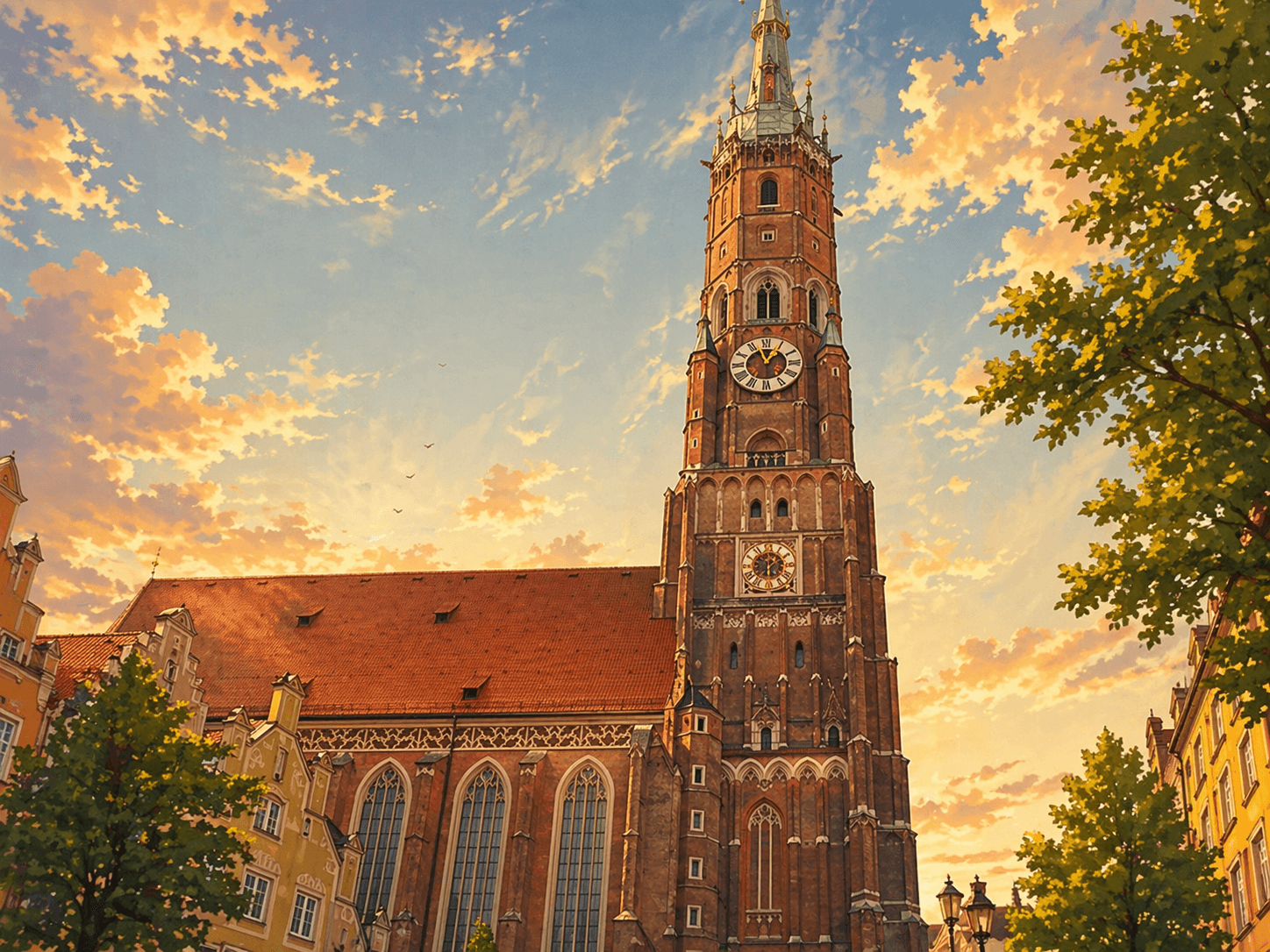
In April 2026, the Climate Advisory Board of Ingolstadt thoroughly discussed the heat transition, tenant electricity projects, and the city’s stance on the 2035 climate target. The expansion of photovoltaics and the inclusion of citizens in the energy supply are key pillars of the city's climate policy.
Climate Protection in Ingolstadt: Photovoltaics, Tenant Electricity, and the Fight for the 2035 Climate Target
In April 2026, climate policy developments were at the forefront in Ingolstadt. The Climate Advisory Board met several times to discuss progress in the heat transition, the implementation of major photovoltaic projects, and the position on the shift of the climate target. In this context, the city is increasingly relying on tenant electricity models, citizen participation, and the use of municipal rooftops for renewable energy.
Progress in the Heat Transition and Photovoltaics
In April 2026, the Climate Advisory Board focused on analyzing the heat transition – a central element on the path to climate neutrality. In this context, concrete figures from already implemented projects were discussed. The photovoltaic system at the Auf der Schanz school, in operation since October 2025, has already generated 25,470 kWh of electricity. In 2026 alone, 17,610 kWh were produced, with April 8th being the most productive day with 475 kWh. These projects demonstrate how quickly and effectively local climate protection measures can be implemented.
In addition, plans for further photovoltaic systems on municipal rooftops were presented: three schools, one volunteer fire department, one daycare center, and one sports hall/school are to be equipped with photovoltaic systems by the end of 2026. The planned overall project includes a total capacity of 450 kWp. The financing is provided through equity capital and subordinated loans – a model that could serve as a blueprint for future projects.
Tenant Electricity: Citizen Participation as a Key
Another focal point of the April meetings was the tenant electricity project in the Prinzenviertel district. It is part of the initiative by the citizens’ energy cooperative BEG-IN, implemented in cooperation with the GWG Ingolstadt. The goal is to generate electricity directly on site and to consume a large part of it locally. Tenants benefit from a favorable electricity tariff, which is about 20% below the regular basic supply tariff.
For tenants with an annual electricity consumption of 2,250 kWh, this means a saving of around 185 euros per year. The tenant electricity tariff consists of a monthly basic fee of 14 euros and a rate of 0.26 euros per kWh. The connection to the PV system with 275 kWp and up to 110 kWh battery storage is scheduled for summer 2026.
The financing of the project is 10% through equity capital and 90% through subordinated loans. For members of BEG-IN, three participation models are available: subordinated loans with terms of 5, 10 or 20 years and interest rates between 2% and 4%. From the 11th year onward, an annual repayment of 10% of the invested amount will be made.
Climate Target 2035: Resistance to Politically Motivated Proposals
Another key point in the April discussion was the position on the 2035 climate target. In 2022, the City Council decided with a large majority to reduce greenhouse gas emissions by at least 90% by 2035 compared to 2019. Between 2019 and 2023, emissions were already reduced by 18%, partly due to the expansion of PV, heat pumps, district heating, and charging infrastructure.
Despite these advances, there were discussions in April 2026 about proposals to shift the climate target to 2045 – particularly from the AfD, JU/FDP, and Freie Wähler. The Climate Advisory Board criticized such proposals as politically motivated and not future-oriented. A delay in the climate target would not only increase costs, but also lead to social fatigue. Climate protection in Ingolstadt is not seen as symbolic politics, but as a concrete priority with measurable benefits.
Outlook: Climate Protection as an Economic and Health Factor
In this context, the city of Ingolstadt emphasizes that climate protection is not only ecologically but also economically sound. Investments in renewable energy, energy efficiency, and sustainable mobility create new jobs and strengthen regional value creation. In addition, climate protection improves the health of the population through reduced air pollutants and lower noise levels.
The Climate Advisory Board plans further meetings in the coming months, including the constitutive session in November 2026. In addition, all planned PV projects are to be implemented by the end of 2026 in order to further advance climate neutrality by 2035.
NeoSearch analyses public council documents, committee minutes and municipal announcements. Source references appear automatically once verified meeting data is available.
What does this mean for businesses?
Municipal heat planning, photovoltaics and climate measures create early project indicators. Following council decisions surfaces sites and tenders before they are publicly advertised.
Track similar decisions in your region
Set up monitoring for environment & climate in Bayern — prefilled from this article.
Set up monitoring →More signals from Ingolstadt
Urban Development in Ingolstadt – Focus on April 2026
In April 2026, Ingolstadt will look back on a range of urban developments and construction projects. The focus is on childcare provision, expanded housing options, energy efficiency measures, and the development of new leisure areas. In this blog article, we analyze the most important projects and developments in urban development.
Read more → Health Policy in Ingolstadt: Structural Adjustments and New Mandates
In April 2026, Ingolstadt made important decisions in the field of healthcare. The hospital joint venture and the Ingolstadt Hospital stood in the spotlight – both in terms of organizational adjustments and financial security.
Read more → Culture and Community in Ingolstadt: Focus on the Cultural Advisory Board April 2026
In April 2026, important cultural decisions and planning were at the forefront in Ingolstadt. The Cultural Advisory Board discussed the future of cultural infrastructure, funding, and anniversary projects.
Read more →