Ingolstadt in March 2026: Environmental and Climate Policy in Focus
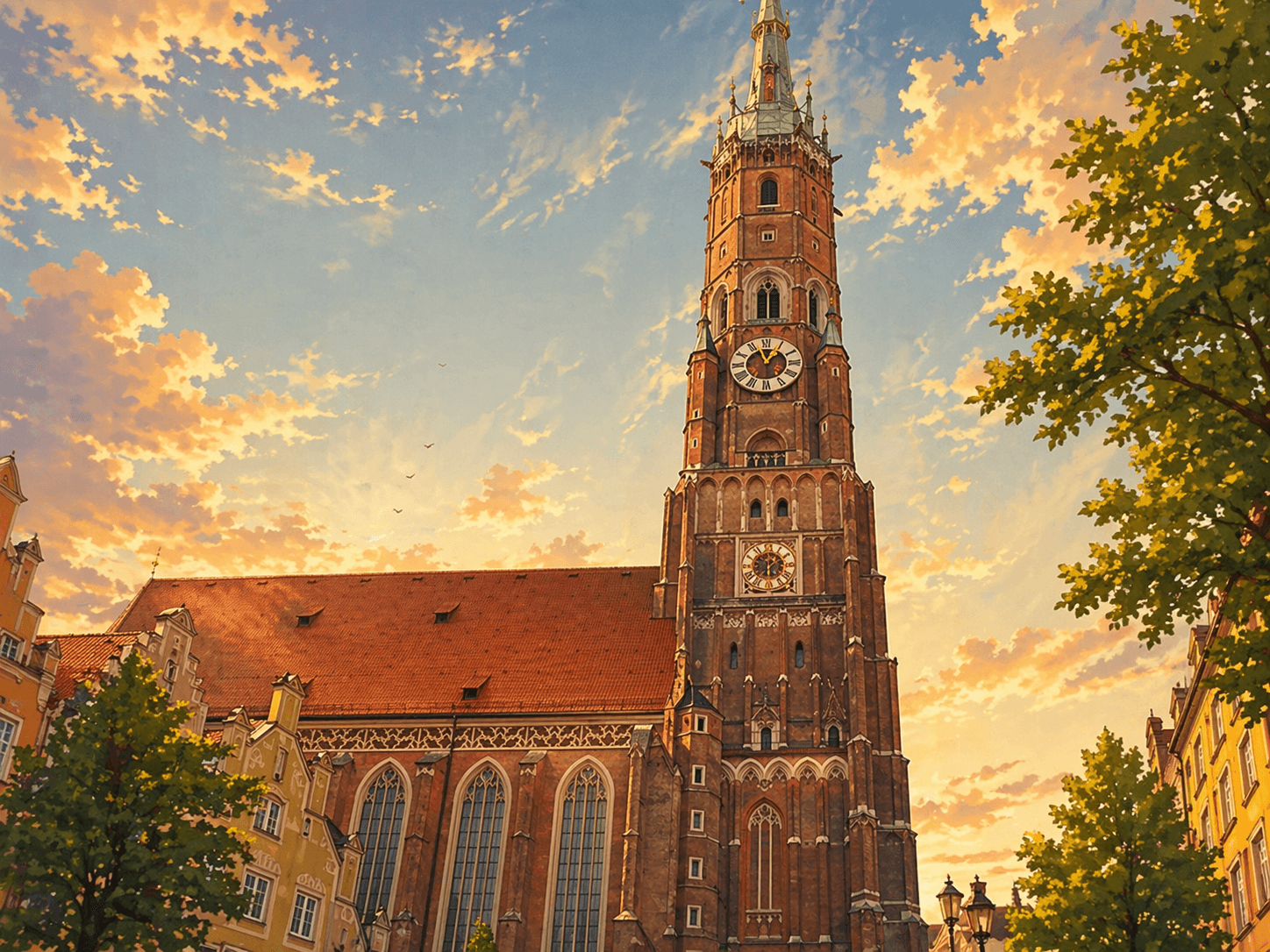
In March 2026, Ingolstadt intensified its efforts in eco-friendly measures in wastewater management and water supply. Numerous investments and structural changes highlight the city's path toward sustainability.
Structural Restructuring of Wastewater Management
In March 2026, Ingolstadt implemented a significant change in its wastewater management. The Ingolstadt Municipal Enterprises (INKB) took over the tasks of the Central Wastewater Treatment Plant Ingolstadt, including wastewater treatment, as of October 1, 2026. This decision marks a step toward a centralized and more efficient wastewater treatment system. The municipal enterprises not only assume the entire assets but also all liabilities of the Central Wastewater Treatment Plant joint authority, emphasizing clear responsibility for future infrastructure.
The restructuring aims to streamline administrative structures and utilize synergies between different municipal institutions. One proposal even suggests the dissolution of the Central Wastewater Treatment Plant joint authority to reduce administrative complexity. At the same time, a memorandum of understanding was signed with the Ingolstadt-Nord Wastewater Disposal Group joint authority to ensure wastewater treatment for several municipalities.
Investments in Water Supply Infrastructure
In water supply, Ingolstadt focused in March 2026 on the renewal of aging pipelines to ensure long-term security and quality of the drinking water supply. Renovation measures were carried out in the streets Schwedenstraße and Hanslmairstraße, as well as in Am Bachl, Egelseestraße, and Am Münzbergtor, as the existing pipelines from 1917 to 1959 showed significant wear and tear.
The projects include the renewal of distribution pipelines and household connections. In Schwedenstraße and Hanslmairstraße, a net investment of 1,006,000 EUR was made, with the construction period lasting about eight months and starting in May 2026. In the other streets, 1,962,786 EUR net was invested for renewal, with the start of construction planned for June 2026. The funds come from the fiscal year 2025/26 and are allocated under the item Water Supply Distribution Systems.
These investments contribute to improving drinking water quality, reducing energy consumption, and adapting the infrastructure to future demands. They are part of a long-term strategy to realize the target network plan for water supply.
Environmentally Compatible Wastewater Disposal
The memorandum of understanding between the INKB and the Ingolstadt-Nord Wastewater Disposal Group joint authority is another central element of the city's climate and environmental strategy. The goal is to ensure environmentally compatible wastewater disposal at a high technical level. The INKB take over the treatment of wastewater, its discharge into the preliminary stream, and the disposal of sludge.
The wastewater treatment plant has a capacity of 275,000 population equivalents and discharges the treated wastewater into the Danube. The total discharge capacity is 900 l/s, with the joint authority receiving its own quota of 160.525 l/s. Clear specifications regarding inflow proportions and discharge prohibitions ensure that wastewater treatment meets environmental standards.
In addition, the joint authority is obliged to construct and maintain wastewater treatment facilities in accordance with applicable water law regulations. Private facilities must also meet the requirements of the drainage ordinance. The INKB gain access to documents from the overall sewerage planning to work on the general drainage plan and plan future measures.
Outlook on Future Challenges
The developments in March 2026 show that Ingolstadt is actively responding to the challenges of climate change and sustainability. The restructuring of wastewater management and investments in water supply are steps toward climate-resilient and resource-efficient urban development. At the same time, challenges such as flood protection, energy efficiency, and coordination with regional partner municipalities remain.
The municipal enterprises and the joint authority must expand cooperation models, implement digitalization, and ensure transparency in billing and planning in the coming years. It is also important to inform citizens about the measures and involve them in planning to strengthen acceptance and trust.
NeoSearch analyses public council documents, committee minutes and municipal announcements. Source references appear automatically once verified meeting data is available.
What does this mean for businesses?
Municipal heat planning, photovoltaics and climate measures create early project indicators. Following council decisions surfaces sites and tenders before they are publicly advertised.
Track similar decisions in your region
Set up monitoring for environment & climate in Bayern — prefilled from this article.
Set up monitoring →More signals from Ingolstadt
Urban Development in Ingolstadt – Focus on April 2026
In April 2026, Ingolstadt will look back on a range of urban developments and construction projects. The focus is on childcare provision, expanded housing options, energy efficiency measures, and the development of new leisure areas. In this blog article, we analyze the most important projects and developments in urban development.
Read more → Health Policy in Ingolstadt: Structural Adjustments and New Mandates
In April 2026, Ingolstadt made important decisions in the field of healthcare. The hospital joint venture and the Ingolstadt Hospital stood in the spotlight – both in terms of organizational adjustments and financial security.
Read more → Culture and Community in Ingolstadt: Focus on the Cultural Advisory Board April 2026
In April 2026, important cultural decisions and planning were at the forefront in Ingolstadt. The Cultural Advisory Board discussed the future of cultural infrastructure, funding, and anniversary projects.
Read more →