Education and School Development in Ingolstadt – Focus March 2026
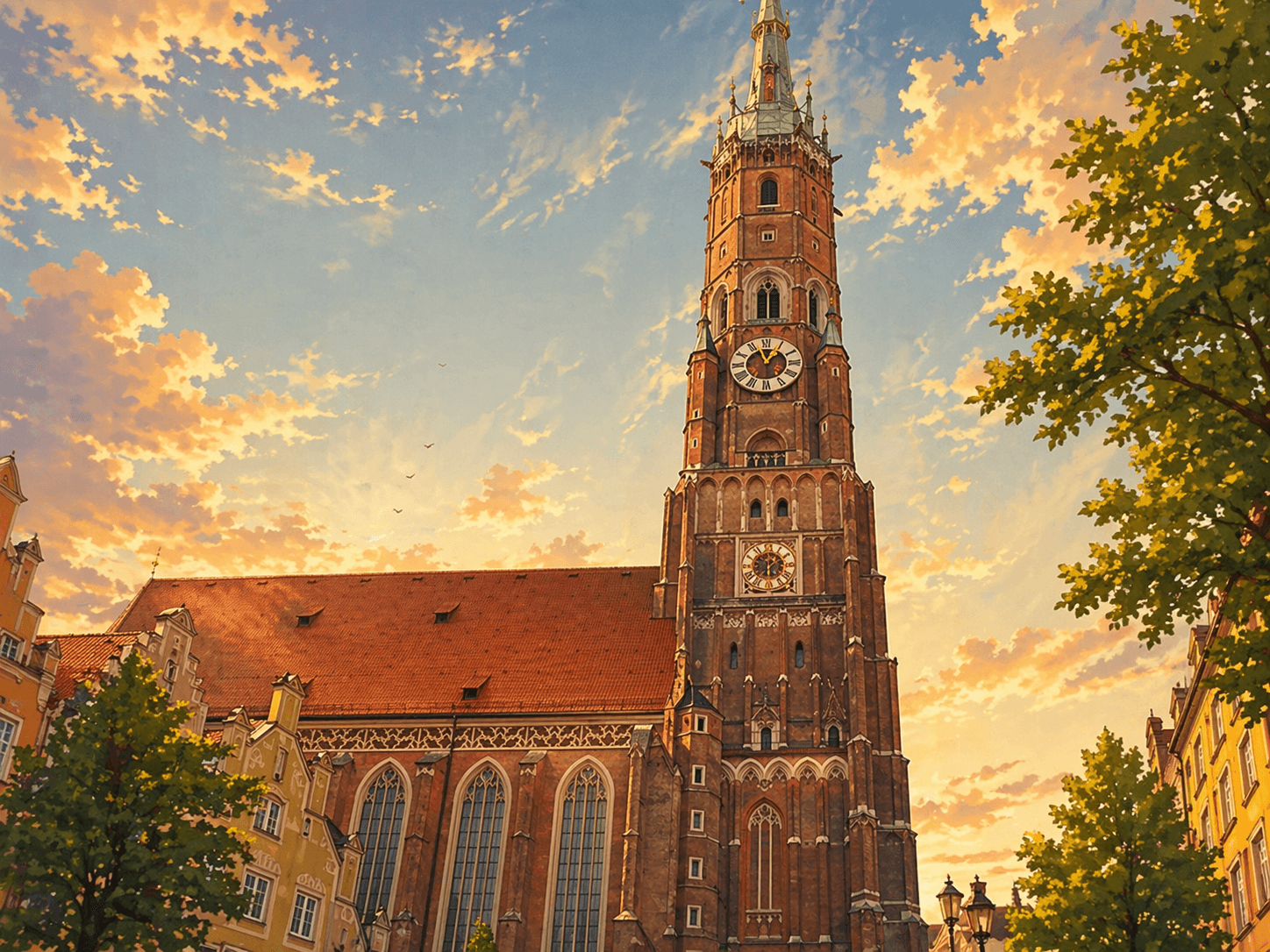
In March 2026, Ingolstadt sets key impulses in the educational landscape: from school construction measures to renaming and new strategies for the promotion of culture and the arts – an overview.
Education and School Development in Ingolstadt – Focus March 2026
In Ingolstadt, March 2026 is an intensive month for educational policy. Numerous construction measures, name changes, and strategic decisions reflect the city's long-term approach to strengthening its educational infrastructure and actively promoting cultural diversity. The Committee for Culture and Education was at the center of the debate, and the decisions show how closely education, architecture, and cultural identity are interlinked.
School Construction Measures: Progress, Delays and Investments
The city is continuing to invest heavily in its schools. The Haunwöhr Primary School is in the final phase: facade work is almost completed, and interior construction is in full swing. With a cost estimate of 39.4 million euros and a completion expected in the first quarter of 2027, the project will be the final stone in a long-term construction plan.
In contrast, the project for the Hundszell Primary School has been halted. After already implementing precautionary measures, the school will remain in its current form. This shows how sensitive decisions on construction measures in public spaces are – also financially.
The Irgertsheim Primary School is in its second construction phase and will be completed in the fourth quarter of 2026. Central investments here include the renovation of the existing building and the redesign of the outdoor areas. With a total of 17.4 million euros, this is one of the larger projects in the region.
The Lessingstraße Primary School has been under construction since 2019 and is expected to be completed in the second quarter of 2026. Another project is the replacement construction of the Sports Hall, which will only begin in Q2 2026 due to insolvencies and planning delays.
Renaming of the Secondary School: From Pestalozzistraße to Johann-Heinrich-Pestalozzi
Another focus was the renaming of the Secondary School at Pestalozzistraße to Johann-Heinrich-Pestalozzi Secondary School. This change was unanimously supported by the teaching staff, the parents' council, and the student parliament. The name recalls the educator Johann Heinrich Pestalozzi, whose educational philosophy – "Learning with head, heart, and hands" – is still part of the school's logo and guiding principles.
This name change not only shows the school's historical anchoring but also the importance of identity and values in educational work. The renaming takes place in conjunction with the move to the building of the Gotthold-Ephraim-Lessing Secondary School, which also has implications for the school district.
School District Changes and Support Centers: New Structures for Inclusion
The school district changes for primary and secondary schools were also decisively advanced. The Marieluise-Fleißer Secondary School will be integrated into the district of the Emmi-Böck School (SFZ II). This adjustment is part of a larger amendment to the regulations, which will come into force on August 1, 2026.
These changes also affect the Special Educational Support Centers Ingolstadt I and II, both of which are supported by the city. The adjustment of the school districts will be implemented gradually and step by step to ensure pedagogical continuity. The August-Horch School (SFZ I) will continue to be responsible for students with special needs in grades 7–9, while the Emmi-Böck School (SFZ II) will offer educational programs up to grade 6.
Culture and Support: New Position for Third-Party Funding Advice
In addition to pure construction measures, Ingolstadt is also investing in cultural infrastructure. The City Council Group DIE LINKE demanded and received the creation of a new position for advising and applying for third-party funding for artists and creative professionals. This unit will be based in the Department of Culture and will advise applicants in the future on EU programs, state funding, and foundation grants.
This is a decisive step to ensure cultural diversity in Ingolstadt and at the same time to cushion the financial uncertainty of many cultural workers. The position will be financed from existing resources and is designed as a central point of contact for associations, initiatives, and independent artists.
Conclusion: Education as an Investment in the Future
March 2026 showed how multifaceted educational policy is in Ingolstadt. From the physical development of school buildings to the cultural identity of the institutions – all aspects are interconnected. The city is not only investing in structural facilities, but also in the people who use these structures. The decisions made are an expression of a long-term plan that focuses on inclusion, identity, and diversity.
But challenges remain: delays, financial constraints, and the complexity of school district changes show that educational development is never simple. Yet with the right planning, the involvement of school families, and the willingness to innovate – as was the case with the renaming of the secondary school or the introduction of third-party funding advice – Ingolstadt is on the right path.
NeoSearch analyses public council documents, committee minutes and municipal announcements. Source references appear automatically once verified meeting data is available.
What does this mean for businesses?
Schools, daycare centres and public buildings create early planning and construction opportunities. Following council agendas surfaces tenders for refurbishment, new builds and fit-out months before the official award — from shell construction to specialist planning to furnishing.
Track similar decisions in your region
Set up monitoring for education & public facilities in Bayern — prefilled from this article.
Set up monitoring →More signals from Ingolstadt
Urban Development in Ingolstadt – Focus on April 2026
In April 2026, Ingolstadt will look back on a range of urban developments and construction projects. The focus is on childcare provision, expanded housing options, energy efficiency measures, and the development of new leisure areas. In this blog article, we analyze the most important projects and developments in urban development.
Read more → Health Policy in Ingolstadt: Structural Adjustments and New Mandates
In April 2026, Ingolstadt made important decisions in the field of healthcare. The hospital joint venture and the Ingolstadt Hospital stood in the spotlight – both in terms of organizational adjustments and financial security.
Read more → Culture and Community in Ingolstadt: Focus on the Cultural Advisory Board April 2026
In April 2026, important cultural decisions and planning were at the forefront in Ingolstadt. The Cultural Advisory Board discussed the future of cultural infrastructure, funding, and anniversary projects.
Read more →