Urban Development in Ingolstadt: March 2026 – Zoning Plans, Infrastructure and Sustainability
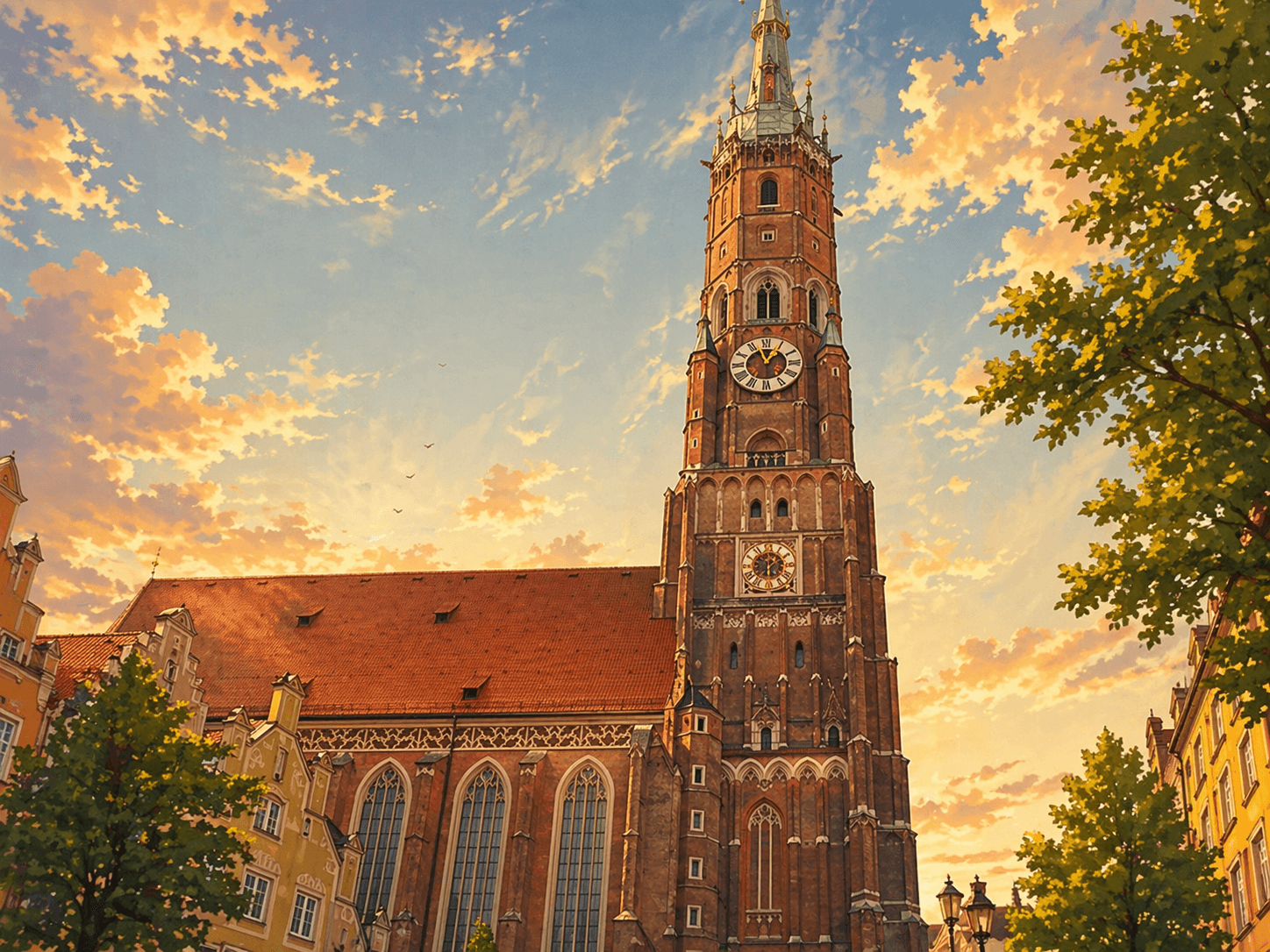
In March 2026, Ingolstadt took decisive steps in urban development. Zoning plans were approved, traffic safety was improved, and infrastructure projects were completed. An overview of the most important developments and their impacts.
Urban Development in Ingolstadt: March 2026 in Focus
Urban development in Ingolstadt is a central area of action that shapes both the city's future and the well-being of its residents. In March 2026, several important decisions were made that lay the foundation for urban development in the coming years. From new zoning plans to traffic and environmental measures – the topics covered a wide range.
Zoning Plans: From Lindberghstraße to Friedrichshofen
One of the central activities in urban planning was the adoption and preparation of zoning plans, which specify the future use and design of urban land. The Zoning and Green Space Ordinance No. 122 A "Lindberghstraße" was adopted as a by-law. The goal here is the densification of inner-city areas to create affordable housing. The plan requires a minimum of 20 % green space and promotes inner-city development rather than expansion outward – a step that aligns with the objectives of the Ingolstadt Regional Plan and the Bavarian State Development Program.
The Zoning Plan 173 C "Friedrichshofen – Am Kreisel B13" is currently in the preparation phase and provides for the construction of a fire station in the suburban area. A mixed-use development including residential, commercial, and retail functions is being pursued. The planning also takes into account groundwater and stormwater management, with a focus on surface infiltration.
Traffic Safety and Mobility: 30 km/h Brings More Than Just Speed
In the field of traffic planning, Ingolstadt is implementing 30 km/h zones to increase road safety. Since the speed limit on the AUDI Ring was reduced to 30 km/h, the statistical results have been impressive: 36 % fewer traffic accidents, 45 % fewer accidents with injuries, and 66 % lower accident costs. In addition, noise pollution has been significantly reduced. These successes have led to the evaluation of point-specific 30 km/h regulations in the Traffic Committee, which may be expanded to other areas.
Infrastructure: Streets, Access and Energy
Infrastructure development is another key topic. The access infrastructure for the Donau Tower BA II area was reported as completed on 26.08.2025. The project included not only the construction of a new street but also the naming and dedication of new street areas, such as "Rothenturmfeld." In the industrial area south of Manchinger Straße, street usage changes and dedication procedures were carried out to meet the needs of growing companies.
In the area of energy supply, Ingolstadt continues to move toward becoming a climate-neutral city. The new zoning plans promote the use of rainwater through cisterns and infiltration systems. In addition, connection to the district heating network is preferred to reduce CO₂ emissions.
Landscape Management and Nature Conservation: A Cooperative Strategy
Ingolstadt is also focusing on landscape management and nature conservation to preserve biodiversity while simultaneously improving the quality of life in the city. The Landschaftspflegeverband Ingolstadt e.V. supports projects such as loch management and grazing measures, which are concentrated on areas such as the Ochsenthomer Berg or the Adlmannsberg. With a total of over one million euros in funding from federal and local programs, Ingolstadt will further strengthen cooperation with agricultural enterprises and nature conservation associations in the future.
What's Coming Next?
In March 2026, planning and legal foundations were primarily in focus. The next public meeting of the Planning Committee on 05.03.2026 will address the revision of the Regional Plan with a focus on wind energy. In addition, public participation processes for Zoning Plan 173 C are underway to involve citizens in the planning process.
Conclusion: A City in Transition
In March 2026, Ingolstadt is following a clear path of sustainable urban development. With new zoning plans, 30 km/h zones, infrastructure investments, and a strong focus on nature and climate protection, the city is not only pursuing growth but also high-quality living conditions for all. The challenges remain – not least the growing demand for housing and the climate crisis – but the developments show that Ingolstadt is ready to master them through strategic planning and citizen participation.
NeoSearch analyses public council documents, committee minutes and municipal announcements. Source references appear automatically once verified meeting data is available.
What does this mean for businesses?
Town halls, fire stations, depots and administrative buildings create early construction and refurbishment opportunities. Following council agendas reveals projects before they go to tender.
Track similar decisions in your region
Set up monitoring for public buildings & administration in Bayern — prefilled from this article.
Set up monitoring →More signals from Ingolstadt
Urban Development in Ingolstadt – Focus on April 2026
In April 2026, Ingolstadt will look back on a range of urban developments and construction projects. The focus is on childcare provision, expanded housing options, energy efficiency measures, and the development of new leisure areas. In this blog article, we analyze the most important projects and developments in urban development.
Read more → Health Policy in Ingolstadt: Structural Adjustments and New Mandates
In April 2026, Ingolstadt made important decisions in the field of healthcare. The hospital joint venture and the Ingolstadt Hospital stood in the spotlight – both in terms of organizational adjustments and financial security.
Read more → Culture and Community in Ingolstadt: Focus on the Cultural Advisory Board April 2026
In April 2026, important cultural decisions and planning were at the forefront in Ingolstadt. The Cultural Advisory Board discussed the future of cultural infrastructure, funding, and anniversary projects.
Read more →