Ingolstadt in Focus: Social and Housing Policy in February 2026
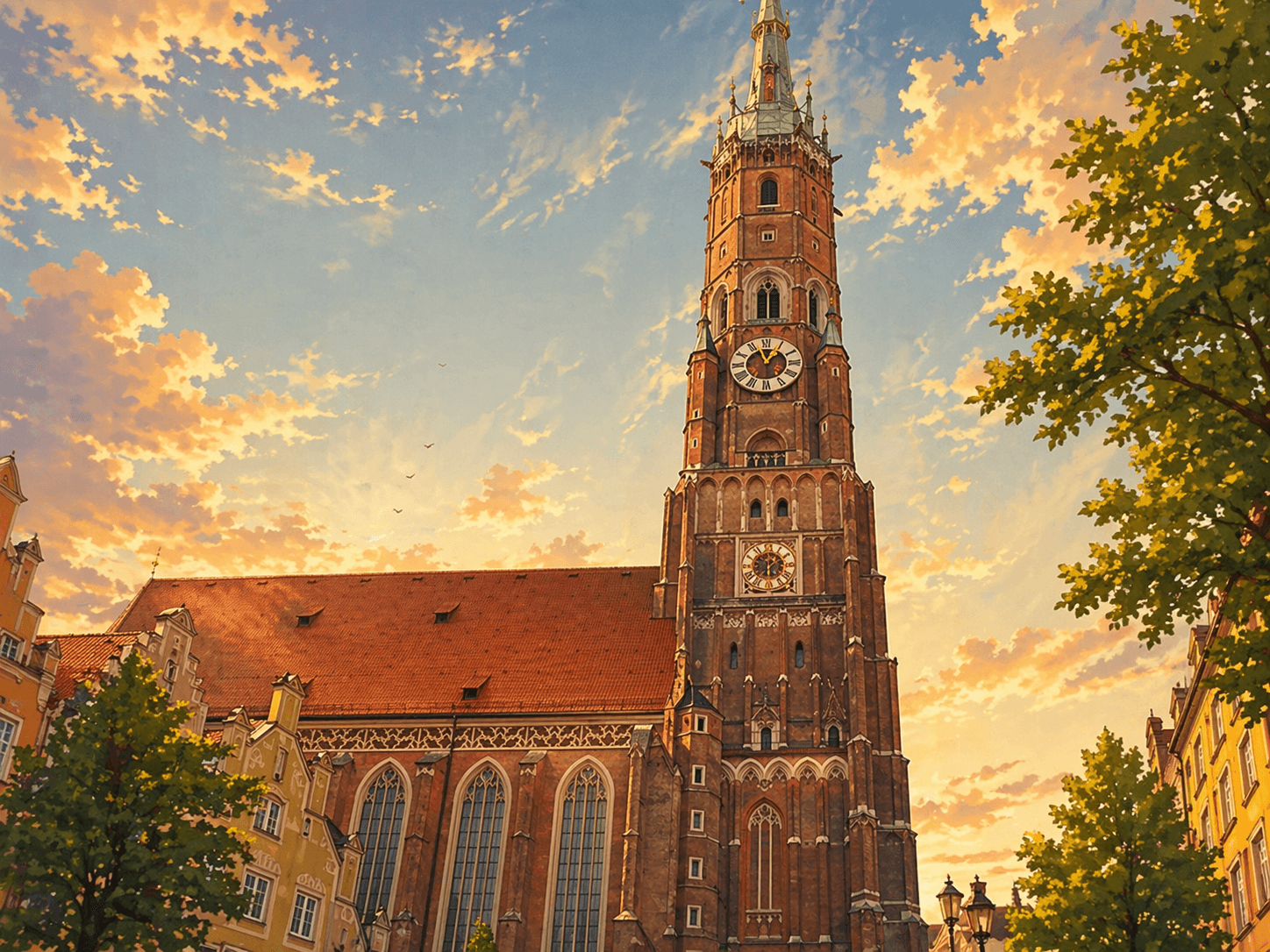
In February 2026, Ingolstadt focused on several pivotal issues in social and housing policy – from family planning to the digitalization of social administration. This blog provides a detailed insight into current developments and the associated challenges.
Social and Housing Policy in Ingolstadt: An Analysis of February Decisions
In a time when social inequality and housing shortages are increasing, municipal social and housing policy is crucial to how cities like Ingolstadt respond to challenges. In February 2026, several relevant decisions and discussions emerged, with both structural and financial implications.
1. Family Planning Fund: An Instrument with Limited Scope
Ingolstadt has continued the Family Planning Fund, but with significant restrictions. The budget was reduced from 30,000 € to 15,000 €, and there are discussions about lowering it further to 10,000 €. While support for certain groups remains, the eligible population is sharply limited: recipients of BAföG (student financial aid), volunteers, and residents of ANKER (integration housing) are excluded from reimbursement.
The reimbursement still includes common contraceptive methods, but vasectomy is no longer permissible for certain groups. The application process is low-threshold but exclusively online. For costs exceeding 100 €, an application must be submitted in advance. Hardship cases can be addressed through exception rules, making the system flexible but also more administratively complex.
2. Work Opportunities for Asylum Seekers: Integration through Engagement
Another focal point was the introduction of a work opportunities scheme for asylum seekers. A CSU motion and Bavarian administrative regulations allow asylum seekers to participate in non-profit activities such as snow removal or green space maintenance. The legal basis also provides for sanctions in the case of repeated non-participation.
This initiative pursues not only integration goals but also financial ones. By utilizing the labor of asylum seekers, municipal resources can be relieved, and asylum seekers can contribute to the local community. However, this also raises ethical questions: where lies the boundary between voluntary engagement and mandatory labor?
3. Nursing Education in the Municipal Interest
To address the shortage of nursing staff, Ingolstadt plans an education offensive co-financed by the city, the Free State of Bavaria, and the hospital joint venture. Up to 40,000 € will be allocated for teaching staff costs. The goal is to provide access to nursing professions for individuals with a middle school diploma but insufficient language skills.
This approach is no longer limited to refugees but is open to all target groups. In doing so, Ingolstadt demonstrates how cities can actively intervene in education and health policy to address structural deficits.
4. Cemeteries: Rising Costs and Fee Increases
The cemetery system was also a topic of discussion. Due to rising costs in construction, cleaning, gardening, and increasing calculated interest rates, a fee increase is planned from 2026 onwards. In addition, there is a trend away from earth burials toward urn burials – a development observable in many cities.
These developments have not only financial but also cultural implications. The city must balance the preservation of cultural traditions with the adaptation to modern needs.
5. Digital Transformation of Social Administration
In addition to concrete policy measures, the digital modernization of social administration was also in focus. Recommendations from the Social State Commission aim at a central digital platform that combines services from the federal government, the states, and municipalities. The introduction of AI-assisted systems, modular software solutions, and the use of BundID (federal ID) should simplify processes and reduce costs.
This digitalization is part of a broader reform process to be completed by 2027. This involves not only technology but also structural changes in social policy and the creation of a more transparent and efficient administration.
Conclusion: An Exciting Year for Ingolstadt
February 2026 was a month in Ingolstadt in which the city engaged with both classic social policy issues and forward-looking digital reforms. The decisions show how closely social and housing policy is linked to financial, legal, and societal questions. Ingolstadt is walking a fine line between necessity and fairness, between costs and expansion.
The coming months will show whether the chosen path leads to a sustainable stabilization of social structures – or whether new challenges arise that require further adjustments.
NeoSearch analyses public council documents, committee minutes and municipal announcements. Source references appear automatically once verified meeting data is available.
What does this mean for businesses?
Town halls, fire stations, depots and administrative buildings create early construction and refurbishment opportunities. Following council agendas reveals projects before they go to tender.
Track similar decisions in your region
Set up monitoring for public buildings & administration in Bayern — prefilled from this article.
Set up monitoring →More signals from Ingolstadt
Urban Development in Ingolstadt – Focus on April 2026
In April 2026, Ingolstadt will look back on a range of urban developments and construction projects. The focus is on childcare provision, expanded housing options, energy efficiency measures, and the development of new leisure areas. In this blog article, we analyze the most important projects and developments in urban development.
Read more → Health Policy in Ingolstadt: Structural Adjustments and New Mandates
In April 2026, Ingolstadt made important decisions in the field of healthcare. The hospital joint venture and the Ingolstadt Hospital stood in the spotlight – both in terms of organizational adjustments and financial security.
Read more → Culture and Community in Ingolstadt: Focus on the Cultural Advisory Board April 2026
In April 2026, important cultural decisions and planning were at the forefront in Ingolstadt. The Cultural Advisory Board discussed the future of cultural infrastructure, funding, and anniversary projects.
Read more →