Governance and Administration in Ingolstadt: Structures, Reforms, and Challenges in March 2026
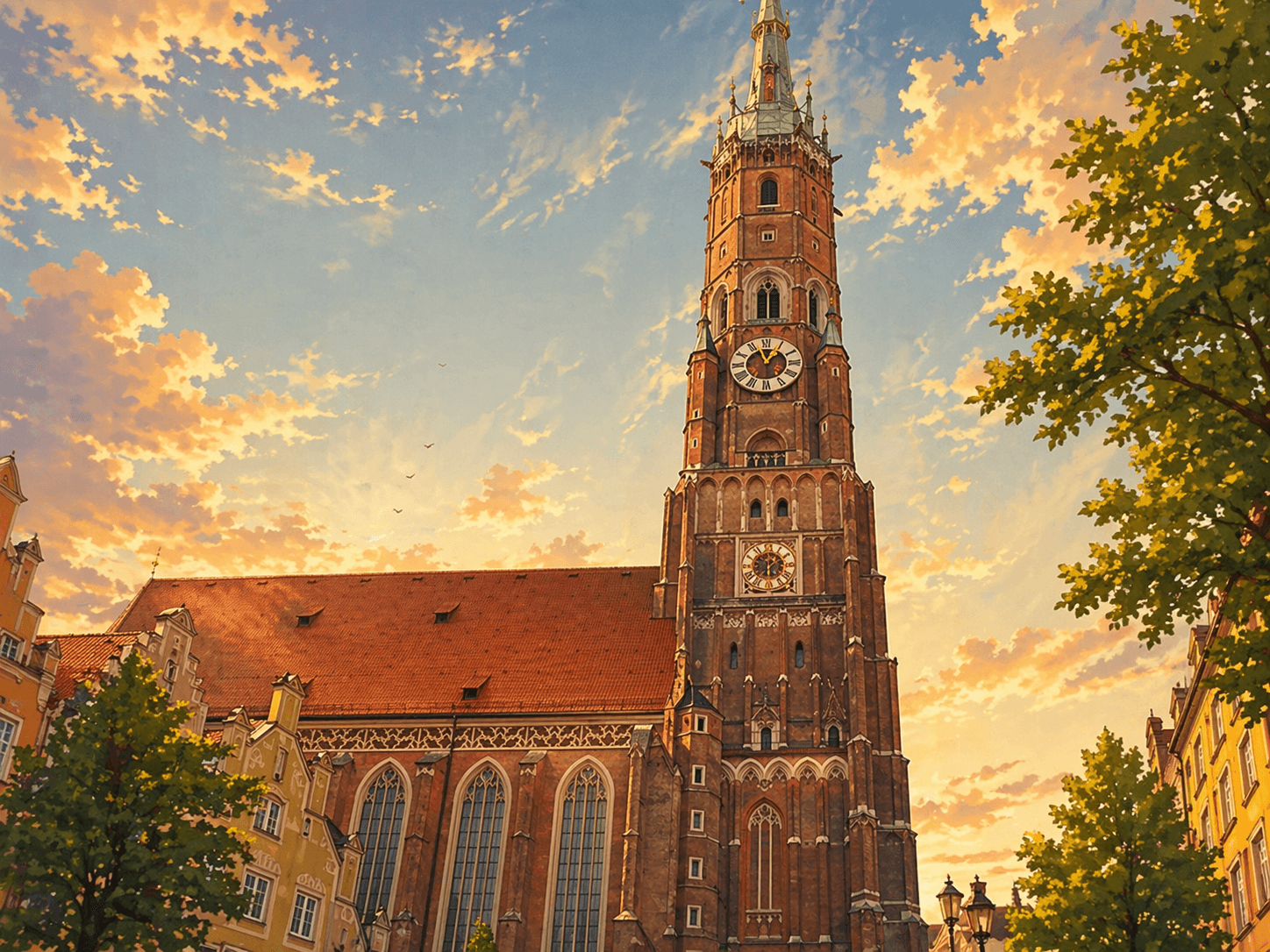
In March 2026, key developments in governance and administration came to the forefront in Ingolstadt. The city implemented reforms, addressed financial and personnel issues, and strengthened crisis management and disaster protection. This blog provides an in-depth insight into the political and administrative developments.
Governance and Administration in Ingolstadt: Structures, Reforms, and Challenges in March 2026
The city of Ingolstadt has increasingly focused on modernizing its administrative structure and governance strategies in recent years. In March 2026, the city council and administration addressed fundamental issues: financial policy, committee structure, personnel planning, disaster protection, and digital transformation. These decisions not only reflect current challenges but also lay the foundation for the future of local self-government in Ingolstadt.
Reforms of the Committee and Company Structure
One of the central measures was the dissolution of the Zweckverband Zentralkläranlage (ZV ZKA), which had been responsible for wastewater disposal for Ingolstadt and Mailing-Feldkirchen since 1969. As of September 30, 2026, this task will be fully taken over by the Ingolstädter Kommunalbetriebe AöR (INKB). This structural reform is part of a broader trend to consolidate municipal responsibilities and rationalize administration.
In addition, supervisory boards at INKoBau and the Ingolstädter Verkehrsgesellschaft mbH were dissolved. This move is a step toward a flatter committee structure, aiming to shorten decision-making processes and increase transparency. Mayor Dr. Michael Kern carried out reassignments in the remaining committees, reflecting the current political dynamics and signaling preparation for future challenges.
Budget, Finance, and Taxes
In the financial sector, the property tax B and the associated rates were central topics. The city increased the tax rate from 535 to 475 (likely a typo indicating an adjustment rather than an increase). In model calculations, revenues under various scenarios were estimated, with a tax rate of 600 or 650 basis points potentially generating additional millions in income.
The authorization for borrowing in 2026 was requested to secure provisional budget management. The city plans to reduce personnel costs by approximately 200 full-time equivalents by 2029 to stabilize the budget. This reduction in staff, especially in the public service sector, is a sensitive issue with both financial and social implications.
Disaster Protection and Civil Defense
The CSU city council faction advocated for the establishment of an interdisciplinary working group on "Civil Defense and Civil Protection." This initiative aims to strengthen the city's capacity to act in crisis situations. The administration supported the proposal but also highlighted the personnel and financial challenges involved.
Additionally, the ÖDP city council group requested the organization of a Civil Protection Day in 2026 with partners such as the THW, the German Weather Service (DWD), and the Federal Agency for Technical Relief (BBK). The goal is to raise public awareness of climate adaptation and disaster preparedness. These initiatives demonstrate how Ingolstadt is responding to climate change and future risks.
Digital Transformation and Citizen Participation
Digitalization of the administration is a central topic in politics. A "Government-as-a-Platform" approach, using the Deutschland-Stack and modular IT services such as a digital mailbox and the EUDI wallet, was pursued. The city is aiming for comprehensive digitalization, to be completed by 2027.
To promote citizen participation, a citizens' assembly took place on March 25, 2026. Topics such as the citizen budget, school IT, and infrastructure measures were in focus. The city emphasizes that transparency and dialogue with citizens are crucial to strengthening the legitimacy and acceptance of its decisions.
Conclusion: Future-Proof Governance in Ingolstadt
The decisions made in March 2026 show that the city of Ingolstadt is actively working on renewing its governance structures. The reforms in the committee structure, the consolidation of the budget, the strengthening of disaster protection, and the digitalization of administration are steps toward a modern, efficient, and transparent urban life.
In the coming years, it will be essential to consistently implement these measures and adapt them to the changing needs of the population. The challenges remain significant, but with a clear vision and a strong administration, Ingolstadt can continue to serve as a model for municipal governance in the future.
NeoSearch analyses public council documents, committee minutes and municipal announcements. Source references appear automatically once verified meeting data is available.
What does this mean for businesses?
Town halls, fire stations, depots and administrative buildings create early construction and refurbishment opportunities. Following council agendas reveals projects before they go to tender.
Track similar decisions in your region
Set up monitoring for public buildings & administration in Bayern — prefilled from this article.
Set up monitoring →More signals from Ingolstadt
Urban Development in Ingolstadt – Focus on April 2026
In April 2026, Ingolstadt will look back on a range of urban developments and construction projects. The focus is on childcare provision, expanded housing options, energy efficiency measures, and the development of new leisure areas. In this blog article, we analyze the most important projects and developments in urban development.
Read more → Health Policy in Ingolstadt: Structural Adjustments and New Mandates
In April 2026, Ingolstadt made important decisions in the field of healthcare. The hospital joint venture and the Ingolstadt Hospital stood in the spotlight – both in terms of organizational adjustments and financial security.
Read more → Culture and Community in Ingolstadt: Focus on the Cultural Advisory Board April 2026
In April 2026, important cultural decisions and planning were at the forefront in Ingolstadt. The Cultural Advisory Board discussed the future of cultural infrastructure, funding, and anniversary projects.
Read more →