Fürth focuses on prevention, early support, and youth participation – Youth policy in focus in February 2026
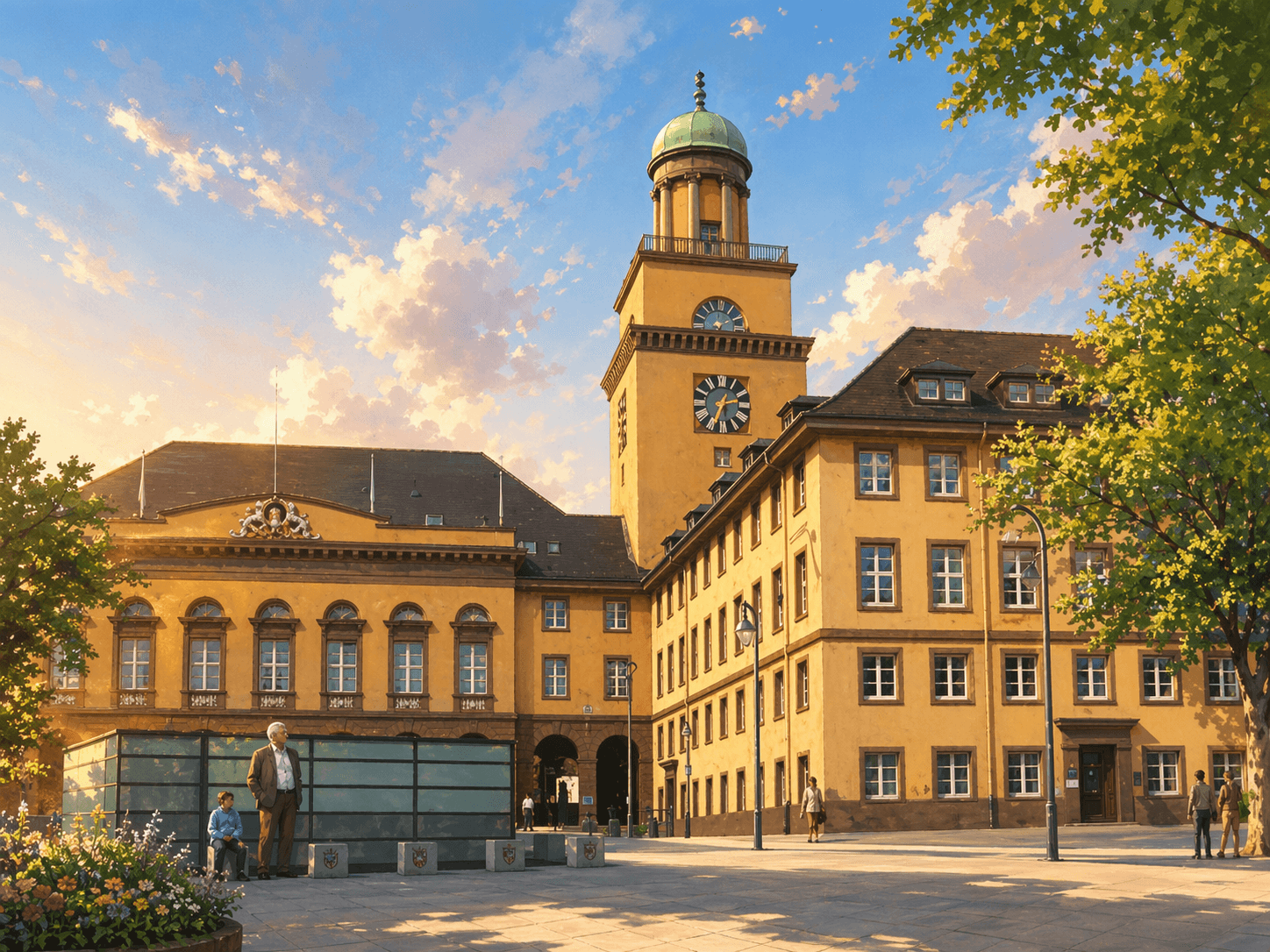
In February 2026, Fürth will be setting important impulses in youth policy: from the training of educational professionals to the strengthening of early support. The Youth Welfare Committee approved measures for violence prevention, the expansion of childcare offers, and the promotion of youth initiatives.
Fürth's Youth Policy: Prevention, Qualification, and Participation in the Forefront
In February 2026, Fürth's Youth Welfare Committee made several landmark decisions, focusing on prevention, qualification, and youth participation. In an intensive session on February 4, topics such as early support, protection concepts, and the expansion of childcare were discussed and decided. The measures show how the city is responding to challenges such as staff shortages, social inequality, and mental stress.
Prevention of Violence in Youth Work
One of the central topics was the development of a new Protection Concept for Open Youth and Child Work. The goal is to proactively prevent violence, particularly sexual violence, in youth work. The concept covers three areas: risks from staff, from youth/children, and from the environment.
Through participatory risk analyses with staff and youth, a practical picture of potential risks was developed. Staff will be trained in the future to identify signs of violence early and to respond appropriately. Prevention will be integrated as a cross-cutting theme into all concepts and processes – without additional financial burdens for the city.
Staff Expansion in Childcare and Full-Time Schools
Another focus was the continuation of the qualification model for assistant staff, supplementary educational staff, and professionals. With a budget of about 290,000 euros for 2026 and 2027, the qualification of staff in kindergartens and full-time schools will continue.
Since July 2023, 80 employees have been trained in 82 in-person and 87 online trainings. Of these, six assistants have already completed the further training as supplementary educational staff, while seven are still in training. The city is thus pursuing a long-term solution to the shortage of qualified staff in educational work.
Youth Social Work at Schools: Staff Expansion and Promotion
Youth Social Work at Schools (JaS) is another focus of the measures. In Fürth, it is present at 22 schools with 20 staff members. In February 2026, additional positions were approved: +10.5 weekly hours at vocational schools II and III and +19.5 weekly hours at the Jakob-Wassermann-School.
The main topics of youth social work are mental stress, performance pressure, violence, family conflicts, and the use of addictive substances. Particularly in schools with a high proportion of migrants (up to 45–48% in individual classes), support is necessary.
In addition, it was unanimously decided to submit applications for the state program "Youth Social Work at Schools". This signals Fürth's willingness to use state support for sustainable youth work.
Early Support: Expansion Necessary, Waiting Times Too Long
Another crucial point was early support in the pre-school sector. According to reports, there are currently 160 missing places in interdisciplinary early support offers, and waiting times exceed one year.
The city has therefore adopted an action plan to improve care. The goal is to expand early support, strengthen networking, and establish a local working group for integration support. In addition, it is being examined whether therapeutic day centers or integrated kindergarten offers would be appropriate.
Youth Participation: Funds, Projects, and Intergenerational Exchange
Youth participation was also in the focus. The Youth Fund and the Action Fund have been supporting youth-oriented projects since 2026. In total, 60,000 euros in funding was distributed, and 25 of 30 applications were approved.
The Youth Council decides on the Youth Fund, and projects such as "Fürth Celebrates Diversity" or "Fürth in the Overmorrow" strengthen intergenerational exchange. The recommendations from the resource analysis will run until 2032, showing how long-term the city is investing in youth participation.
Outlook: Fürth is Investing in Long-Term Measures
The decisions of the Youth Welfare Committee in February 2026 show that Fürth is focusing on prevention, qualification, and participation. The city is responding to challenges such as social inequality, mental stress, and staff shortages with structured measures.
In the future, it will be important to monitor the implementation of the approved plans and to evaluate the success of the measures. Particularly early support and youth social work require continuous adaptation to the needs of the younger generation. Fürth has set a clear course with these steps – away from reactive youth support towards proactive support and preventive work.
NeoSearch analyses public council documents, committee minutes and municipal announcements. Source references appear automatically once verified meeting data is available.
What does this mean for businesses?
Schools, daycare centres and public buildings create early planning and construction opportunities. Following council agendas surfaces tenders for refurbishment, new builds and fit-out months before the official award — from shell construction to specialist planning to furnishing.
Track similar decisions in your region
Set up monitoring for education & public facilities in Bayern — prefilled from this article.
Set up monitoring →More signals from Fuerth
Fürth's Urban Development in April 2026: Multi-use, Zoning and Mobility Strategies
In April 2026, the city of Fürth made significant advances in urban development, particularly in the areas of parking space management, zoning planning, and infrastructure for climate-neutral mobility. Numerous decisions and plans demonstrate how the city is responding to urban challenges such as housing shortages and traffic congestion.
Read more → Fürth's Social and Housing Policy in April 2026: Challenges and Progress
In April 2026, Fürth was at the center of crucial discussions and measures in the field of social and housing policy. A wide range of topics – from supporting sex workers to addressing housing shortages and neighborhood development – were addressed in the meetings of the Social Assistance, Social and Senior Affairs Advisory Committee. This blog article provides an in-depth look at the most important developments, decisions, and background information.
Read more → Education and Infrastructure in Fürth: Expansion of Full-Day Programs, Sustainability, and Investments
In April 2026, Fürth took decisive steps in educational policy and the development of public institutions. The focus was on the expansion of full-day programs at elementary schools, the extension of the educational program "Bildungskommune," increased meal prices, and investments in school construction and full-day facilities. An overview of the most important developments.
Read more →