Fürth's Governance Structures and Administrative Reforms in March 2026
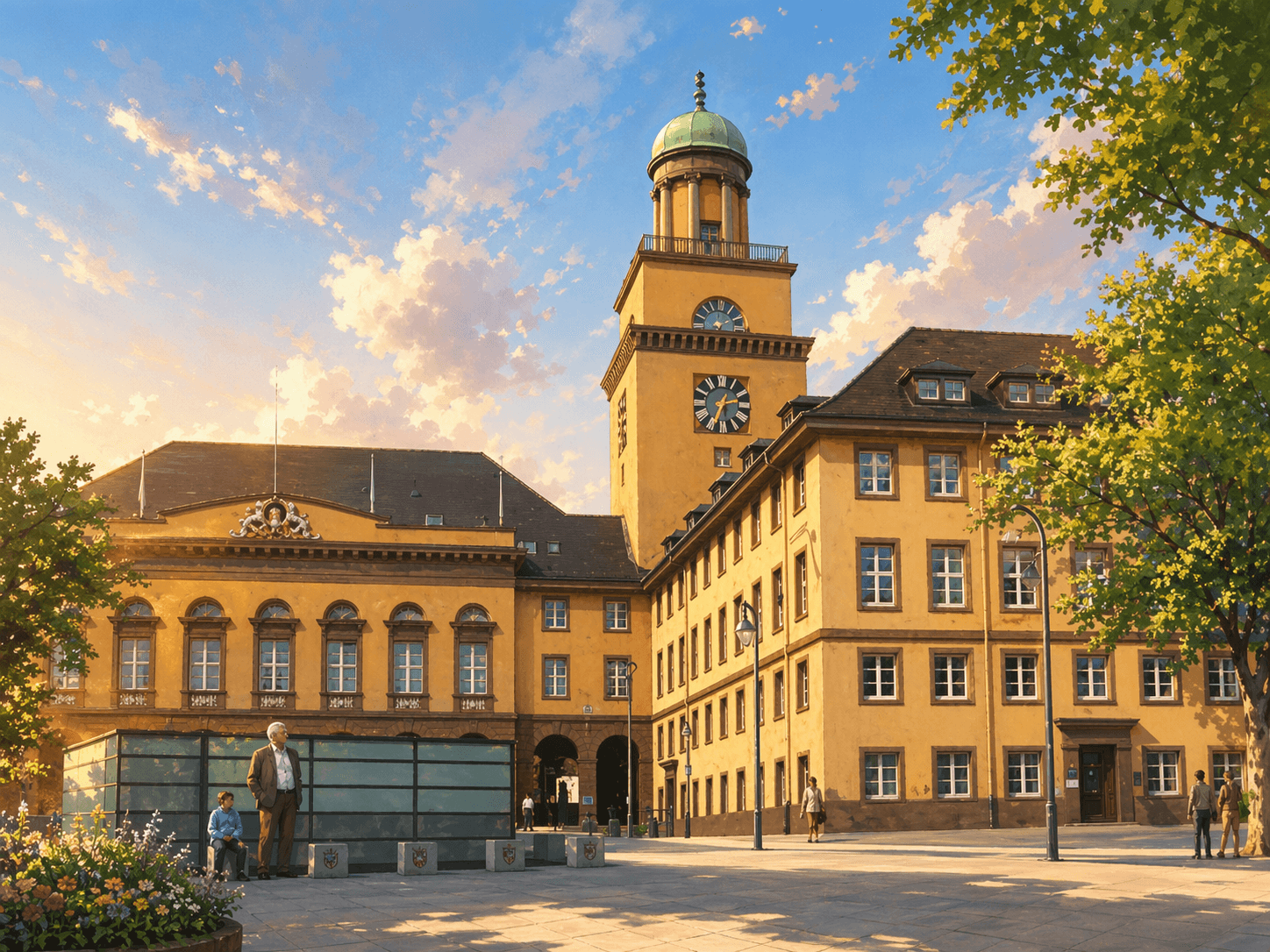
In March 2026, the city of Fürth took decisive steps in its administrative structure and governance. With changes to the rules of procedure, personnel measures, and new structures in the School Administration Office, the city is focusing on transparency, efficiency, and modern administration. This blog analyses the background, decisions, and implications.
Governance Structure and Administrative Reforms in Fürth – March 2026
The city of Fürth addressed a wide range of reforms in administration and governance in March 2026. The decisions range from organisational changes in committees to personnel measures and the restructuring of entire departments. The reform-oriented approach is reflected in the unanimous decisions made in the Rules of Procedure Committee and the City Council.
Rules of Procedure and Committee Structure: Transparent Decision-Making
On 26 March 2026, the Rules of Procedure Committee made important decisions to improve the transparency and efficiency of the City Council's work. A central point was the expansion of the Building Advisory Committee to eight seats to ensure representation for all factions and committee alliances. Additionally, a joint adjustment of advisory committee and supervisory board meetings was decided in order to optimise communication between administration and politics.
Another focus was the inaugural session of the City Council on 6 May 2026. Here, clear guidelines were set: electronic invitations for re-elected members, written appointments of staff, and an obligation of confidentiality. These measures are part of the efforts to make the administration more transparent and closer to the citizens.
Personnel Policy and Structural Changes: School Administration Office in Focus
The restructuring of the School Administration Office (SchvA) is another milestone in the development of governance. As of 1 April 2026, a new team structure was introduced covering four key areas: financial management, school administration, digitalisation, and training promotion. These changes followed an organisational review by the Office for Municipal Policy and Administration (BKPV) and aim to improve coordination and efficiency.
Furthermore, the Hans-Böckler School and the Full-Time Schools were reallocated in terms of structure. The personnel adjustments and position reassignments are part of an extensive modernisation also informed by external expert reports. Funding is provided through the budget, with careful planning of position ceilings and lump sums.
Security Measures and Security Coordination in the Market Office
Another focus was on security in the Market Office. Here, three new full-time positions were created: an assistant to the head of office, a security coordinator, and two skilled motor vehicle driver positions. The measures followed an external cost-effectiveness review and are planned in two phases. The costs amount to approximately 337,800 euros, funded through the budget. These steps demonstrate how the city of Fürth is strengthening its administration in terms of security.
Position Ceilings and Personnel Planning: Budget-Oriented Policy
The City Council unanimously decided to continue the position ceiling for 2027. A total of 859,800 euros is available for "free" position creation, with each department receiving a lump sum of 50,000 euros. Positions outside the ceiling are reviewed separately. This personnel policy reflects the budget discipline that has been a priority in Fürth for some time and still allows flexibility for critical positions.
Future-Oriented Governance: What Comes After 2026?
The reforms and decisions from March 2026 lay the foundation for a modern, transparent, and efficient administration in Fürth. The inaugural session in May will be decisive in documenting the new structures and finalising the personnel appointments. In the coming months, it will also be examined how the new teams in the SchvA and the security measures in the Market Office perform.
With the implementation of the planned structural measures and the continued development of the position ceiling, Fürth is aiming for long-term stability in its administration. The unanimous decisions also show that the political groups in Fürth largely agree on the development of governance – a positive signal for the city's future.
NeoSearch analyses public council documents, committee minutes and municipal announcements. Source references appear automatically once verified meeting data is available.
What does this mean for businesses?
Town halls, fire stations, depots and administrative buildings create early construction and refurbishment opportunities. Following council agendas reveals projects before they go to tender.
Track similar decisions in your region
Set up monitoring for public buildings & administration in Bayern — prefilled from this article.
Set up monitoring →More signals from Fuerth
Fürth's Urban Development in April 2026: Multi-use, Zoning and Mobility Strategies
In April 2026, the city of Fürth made significant advances in urban development, particularly in the areas of parking space management, zoning planning, and infrastructure for climate-neutral mobility. Numerous decisions and plans demonstrate how the city is responding to urban challenges such as housing shortages and traffic congestion.
Read more → Fürth's Social and Housing Policy in April 2026: Challenges and Progress
In April 2026, Fürth was at the center of crucial discussions and measures in the field of social and housing policy. A wide range of topics – from supporting sex workers to addressing housing shortages and neighborhood development – were addressed in the meetings of the Social Assistance, Social and Senior Affairs Advisory Committee. This blog article provides an in-depth look at the most important developments, decisions, and background information.
Read more → Education and Infrastructure in Fürth: Expansion of Full-Day Programs, Sustainability, and Investments
In April 2026, Fürth took decisive steps in educational policy and the development of public institutions. The focus was on the expansion of full-day programs at elementary schools, the extension of the educational program "Bildungskommune," increased meal prices, and investments in school construction and full-day facilities. An overview of the most important developments.
Read more →