Fürth: Mobility in March 2026 – Rising Taxi Fares, Speed Controls, and Investments
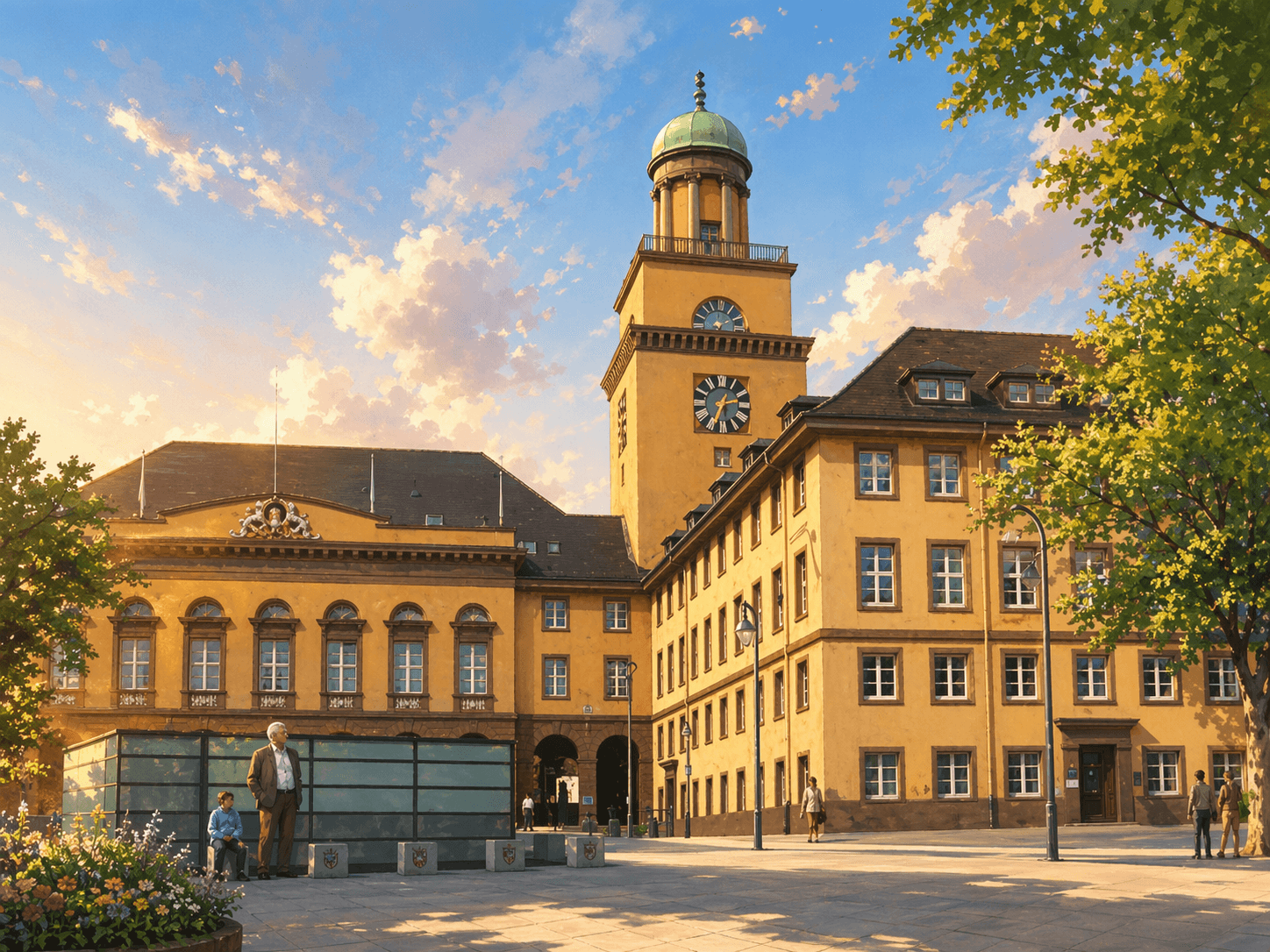
In March 2026, decisions on mobility were at the center of attention in Fürth: A unanimous taxi fare increase, new speed limits, and investments in the municipal fleet sparked discussion. This blog provides an overview of the background, debates, and implications.
Fürth is focusing on sustainable mobility – with increased taxi fares and safety measures
In March 2026, the city of Fürth made decisive investments in the future of its mobility. With the unanimous approval of the taxi fare increase, the introduction of new speed controls, and the modernization of the municipal fleet, the city council passed measures aimed at both economic sustainability and traffic safety. These decisions reflect a clear focus on the future viability of the city's infrastructure.
Taxi fare regulation: Increase of 5.19% due to rising costs
In March 2026, the Fürth Taxi Cooperative submitted a request for an adjustment to the taxi fare regulation and received unanimous approval from the city council. The increase of 5.19% compared to the reference value of the local Chamber of Commerce is a direct result of rising costs in the taxi industry. Vehicle insurance costs rose by 19.3%, financing costs doubled from 1.99% to 6.99%, and personnel costs also increased by 8.42%.
In addition, the purchase costs for TSE-compliant taximeters, which range from approximately €1,200 to €1,500 per vehicle, further burden the industry. The fare adjustment therefore not only ensured competitiveness but also brought Fürth in line with partner cities such as Nuremberg and Erlangen.
The city of Fürth itself does not benefit economically from the adjustment, as the taxi fare regulation does not impose additional financial burdens on the municipal budget.
Speed controls: 30 km/h zones and speed cameras
Another key topic was road safety. Applications for the introduction of 30 km/h zones and structural adjustments were submitted in several residential areas, including the Friedrich-Ebert-Straße and Blütenstraße. The administration recommended the use of mobile speed measurement poles and, if necessary, speed camera columns to curb speeding.
Special attention was given to the safety of children and the elderly. For example, a 30 km/h zone was introduced around the senior citizens' home Haus Maximilian and schools along Tannenstraße. In the Friedrich-Ebert-Straße, the 30 km/h regulation was extended from Monday to Friday, 7–17 hours, although it did not extend to Vacher Straße, as it would have exceeded the 150-meter radius around the kindergarten.
Fleet modernization: Investment of €390,000
In March 2026, the city council approved an investment of a total of €390,000 in the fleet and equipment of the municipal office. This includes a 26-ton truck with a forklift (€255,000), a 3.5-ton van (€60,000), and additional equipment such as cable bridges and event equipment (€45,000).
These investments are part of a reorganization of the municipal office with the goal of increasing self-sufficiency and meeting safety requirements. However, the truck will not be available until early 2027, resulting in additional expenses of approximately €50,000 for external service providers in 2026.
Outlook: Sustainability and Safety in Focus
The decisions made in March 2026 show how Fürth is further developing its mobility policy: with a modernized taxi fare system, new safety measures, and investments in municipal infrastructure. At the same time, the city remains sensitive to economic and climatic aspects – for example, by assessing climate impacts or adhering to budget limits.
In the coming months, it will be particularly interesting to observe the effects of the speed controls and assess whether the fleet investments are sustainable in the long term. In this way, Fürth demonstrates how a city can respond to mobility challenges with targeted measures.
NeoSearch analyses public council documents, committee minutes and municipal announcements. Source references appear automatically once verified meeting data is available.
What does this mean for businesses?
Urban development, zoning plans and commercial settlements create early construction and supply opportunities. Following council decisions reveals projects before they go to tender.
Track similar decisions in your region
Set up monitoring for economic development in Bayern — prefilled from this article.
Set up monitoring →More signals from Fuerth
Fürth's Urban Development in April 2026: Multi-use, Zoning and Mobility Strategies
In April 2026, the city of Fürth made significant advances in urban development, particularly in the areas of parking space management, zoning planning, and infrastructure for climate-neutral mobility. Numerous decisions and plans demonstrate how the city is responding to urban challenges such as housing shortages and traffic congestion.
Read more → Fürth's Social and Housing Policy in April 2026: Challenges and Progress
In April 2026, Fürth was at the center of crucial discussions and measures in the field of social and housing policy. A wide range of topics – from supporting sex workers to addressing housing shortages and neighborhood development – were addressed in the meetings of the Social Assistance, Social and Senior Affairs Advisory Committee. This blog article provides an in-depth look at the most important developments, decisions, and background information.
Read more → Education and Infrastructure in Fürth: Expansion of Full-Day Programs, Sustainability, and Investments
In April 2026, Fürth took decisive steps in educational policy and the development of public institutions. The focus was on the expansion of full-day programs at elementary schools, the extension of the educational program "Bildungskommune," increased meal prices, and investments in school construction and full-day facilities. An overview of the most important developments.
Read more →