Fürth's Social and Housing Policy in April 2026: Challenges and Progress
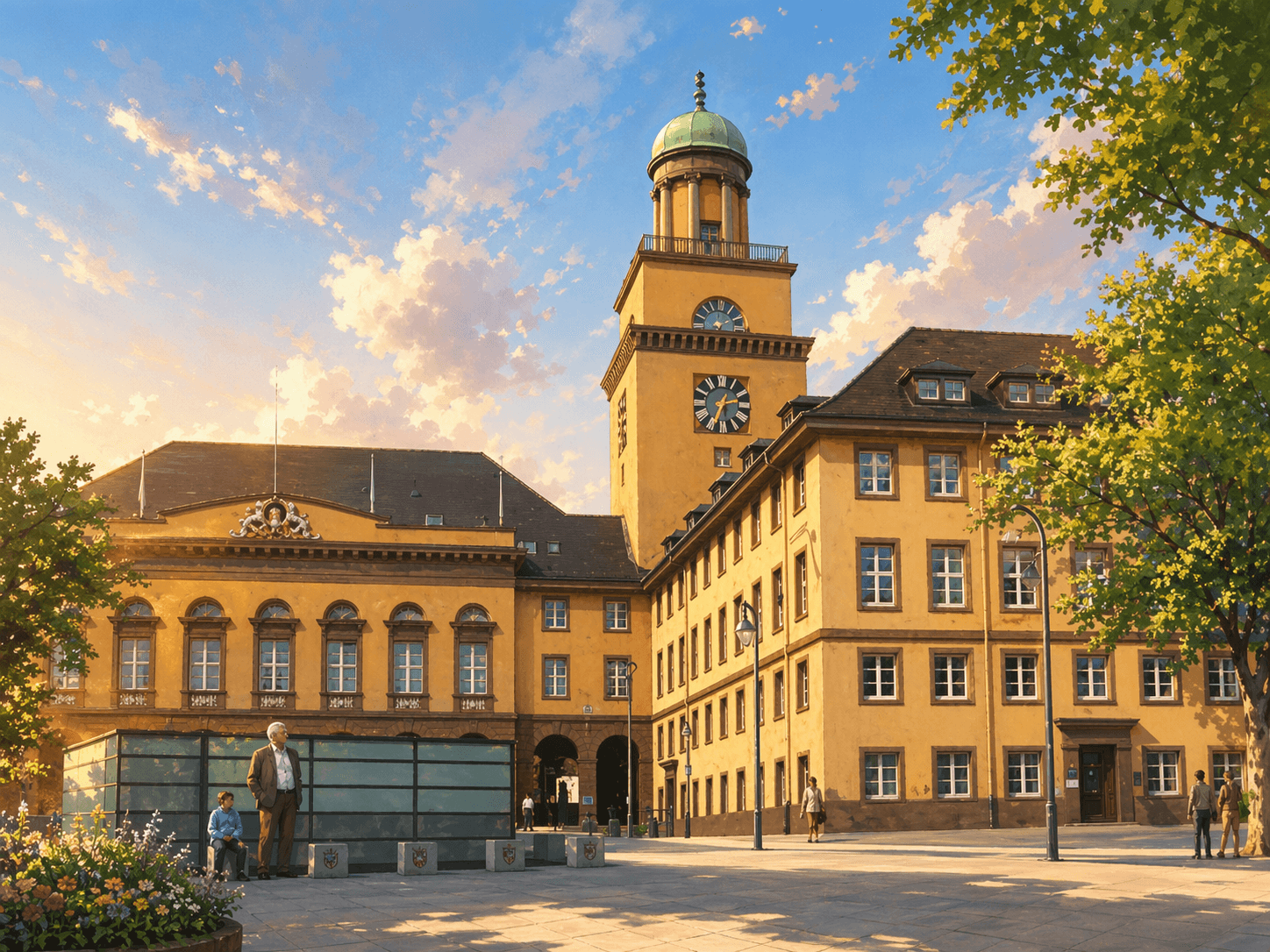
In April 2026, Fürth was at the center of crucial discussions and measures in the field of social and housing policy. A wide range of topics – from supporting sex workers to addressing housing shortages and neighborhood development – were addressed in the meetings of the Social Assistance, Social and Senior Affairs Advisory Committee. This blog article provides an in-depth look at the most important developments, decisions, and background information.
Fürth's Social and Housing Policy: A Challenge with Perspective
Social and housing policy are central issues for any modern city – especially in times of growing housing shortages, increasing social inequality, and the integration of refugees. In April 2026, Fürth faced the challenge of both consolidating existing structures and forging new paths. The meetings of the Advisory Committee for Social Assistance, Social and Senior Affairs reflected this dual burden.
Support for Sex Workers: A Humanitarian Task
One of the central discussions focused on the support for sex workers in Fürth. The organization Parakaleo e.V., which works closely with social workers and volunteers, received a grant of 5,000 euros for 2026. The project is particularly aimed at young women with a migration background and collaborates closely with the authorities responsible for implementing the Prostitution Protection Act.
However, support is not limited to Parakaleo alone. The city was asked to also include other organizations such as Kassandra e.V. and Jadwiga in the funding. This shows that Fürth is acting with a sense of shared social responsibility – not only in combating prostitution, but also in supporting and protecting those affected.
Housing Shortage and Transitional Shelters: An Increasing Challenge
The housing shortage in Fürth remains a problem that should not be underestimated. In April 2026, 139 people were accommodated in municipal transitional shelters – a number that exceeds the original plan. Particularly problematic is the increasing complexity of the residents, with 17 of them showing severe psychiatric or substance-related issues.
The length of stay in transitional shelters is another issue: more than a quarter of the residents have already been living in these facilities for more than two years. At the same time, the number of police and emergency service interventions has increased significantly – totaling 72 in just three months.
The city has requested a review of the care capacities and, if necessary, their expansion. Currently, only 2.15 full-time positions are available for social services – a clear indication that more staff is urgently needed in this area.
Neighborhood Development: From Pegnitz to Südstadt
Fürth continues to invest in the development and enhancement of its neighborhoods. Particularly notable is the redesign of the Pegnitz district, where the new concept for the Königsplatz and tree planting are the focus. Projects aimed at revitalizing and improving the quality of life are also underway in other areas such as the Südstadtcampus and Burgfarrnbach.
The redesign of plazas and streets such as the Franz-Josef-Strauß-Platz and the Kaiserplatz is another example of urban development dynamics in Fürth. Here, not only construction measures were carried out, but also barrier-free solutions and traffic-calmed zones were created.
Future of Basic Security: From Sanctions to Benefit Reductions
In April 2026, the reform of basic security was also in focus. With the Citizen's Income Act, which came into force in 2023, the transition from the SGB II to a new system was completed. A central aspect of this transition is the shift from sanctions to so-called benefit reductions, which are less drastic than before.
The number of benefit reductions has decreased significantly – from 1,978 in 2017 to just 276 in 2025. This decline is also due to the sanction moratorium of 2022. At the same time, the number of recipients of basic security (SGB XII) has increased – mainly due to the arrival of Ukrainian refugees since 2021.
Outlook: Social Security and Housing for All
The developments in April 2026 show that Fürth is consciously addressing social challenges. Whether in the area of supporting sex workers, tackling the housing shortage, or neighborhood development – the city is relying on cooperative structures, long-term planning, and the involvement of civil society and authorities.
In the future, it will be crucial to strengthen capacities in social services, further increase the number of social housing units, and create sustainable integration for refugees. Fürth has already taken the right path with these measures – now it is a matter of consistently continuing along it.
NeoSearch analyses public council documents, committee minutes and municipal announcements. Source references appear automatically once verified meeting data is available.
What does this mean for businesses?
Municipal council decisions are early indicators: following the council agenda surfaces projects and tenders months before the official award — before they ever reach the procurement portals.
Track similar decisions in your region
Set up monitoring for kommunale Projekte in Bayern — prefilled from this article.
Set up monitoring →More signals from Fuerth
Fürth's Urban Development in April 2026: Multi-use, Zoning and Mobility Strategies
In April 2026, the city of Fürth made significant advances in urban development, particularly in the areas of parking space management, zoning planning, and infrastructure for climate-neutral mobility. Numerous decisions and plans demonstrate how the city is responding to urban challenges such as housing shortages and traffic congestion.
Read more → Education and Infrastructure in Fürth: Expansion of Full-Day Programs, Sustainability, and Investments
In April 2026, Fürth took decisive steps in educational policy and the development of public institutions. The focus was on the expansion of full-day programs at elementary schools, the extension of the educational program "Bildungskommune," increased meal prices, and investments in school construction and full-day facilities. An overview of the most important developments.
Read more → Fürth in April 2026: Culture Policy in Focus – Funding, Reforms, and Cultural Future
In April 2026, Fürth focused on cultural development. The Cultural Committee discussed funding for cultural institutions, reforms in cultural administration, and new approaches to improving the quality of street music. This blog provides an insight into the most important decisions and debates of the month.
Read more →