Urban Development in Karlsruhe: Key Projects and Policy Shifts in January 2026
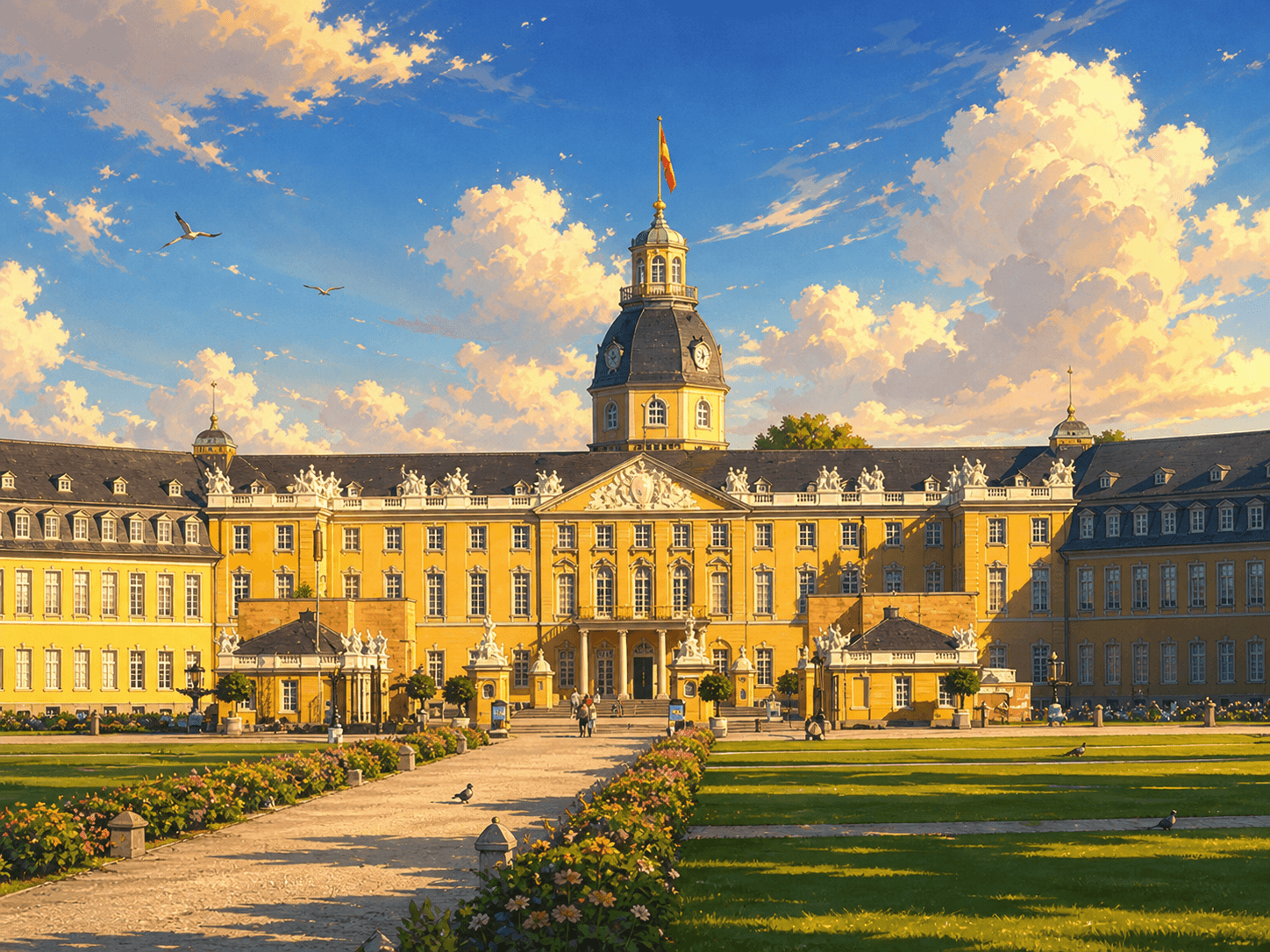
In the first weeks of 2026, the city of Karlsruhe set new priorities in urban and construction planning with key projects and decisions. The fire alarm training facility at Hansastr. 48, the renovation of the Zoo Terraces, and the further development of parking policy and neighborhood planning mark the most significant developments.
Urban Development in Karlsruhe: New Projects, Old Challenges
In January 2026, Karlsruhe focused on several urban and construction planning decisions that are significant not only for the current building process but also for the city's long-term development. The city prioritized safety, sustainability, and social infrastructure. At the same time, new directions were set for mobility, climate protection, and financial planning.
1. Fire Alarm Training Facility at Hansastr. 48: A Pilot Project for Safety and Sustainability
One of the central decisions in January concerned the fire alarm training facility at Hansastr. 48, which was unanimously approved by the Building Committee on January 15, 2026. The new training facility for the fire department is not only a mandatory facility under the Fire Department Act but also a step toward modern fire protection practices in the region.
Project Timeline and Funding
- Location: Plot at Hansastr. 48, leased from KVVH GmbH for 20 years with an option for extension.
- Variant 2 (Sufficiency) was preferred: Total costs €2.26 million, with €1.5 million for the first construction phase.
- Schedule: Planning to begin in Q2 2026, construction to start in Q2 2027, and commissioning in Q3 2028.
The construction phases include the renovation of three existing buildings with a total of 1,055 m² of gross floor area (BGF). The choice of solid, durable construction with resource-saving concepts underlines the sustainability approach that has increasingly influenced construction planning in Karlsruhe in recent years.
Critical Background
Despite the unanimous approval by the Building Committee, the project planning is not without risks. The annual follow-up costs amount to approximately €78,000, which is significant in a time of increasing municipal budget pressure. Moreover, it remains to be seen whether the facility will actually meet the planned training objectives and be considered effective in practice.
2. Renovation of the Zoo Terraces: Nature and Cultural Preservation in the Zoological City Garden
Another project decided in January 2026 is the renovation of the Zoo Terraces in the Zoological City Garden. Funded by the Double Budget 2026/2027, the project aims at the preservation and modernization of the unique tropical and steppe landscapes.
Project Goals and Funding
- Scope: Renovation of the existing terrace area.
- Purpose: Ensuring animal housing, renewal of soils and plantings, and integration of barrier-free concepts.
- Funding: Double Budget 2026/2027, no additional funds required.
However, the renovation is not without challenges. The contaminant investigations beneath the foundation slab were not fully completed, and there are new requirements from the monument permit that could further complicate the planning process.
3. Parking Policy and Mobility: The New Parking Ordinance as a Climate Protection Instrument
In January 2026, the Karlsruhe Parking Ordinance was also finalized and came into effect on October 8, 2025. With this regulation, the city opted for a differentiated distribution of parking spaces based on city districts and housing types.
Key Features of the Ordinance
- Zone 1 (central): 0.6 parking spaces per apartment
- Zone 2 (near the center): 0.8 parking spaces per apartment
- Zone 3 (city outskirts): 1.0 parking spaces per apartment
- Reductions: For elderly housing (50%), social rental housing (25%), and apartments under 35 m² (75%).
The ordinance aims to reduce car ownership, relieve public space, and promote bicycle mobility – three central climate protection topics that have increasingly come into focus in Karlsruhe in recent years.
Criticism and Discussions
Despite the positive intent of the ordinance, there was criticism in the Building Committee meeting regarding the tolerance of illegal sidewalk parking, which had led to established misbehavior in the past. In addition, proposals for parking fees were discussed to regulate the demand for parking spaces.
4. Neighborhood Planning and Sustainability: The Future of the City Center
Alongside the specific construction measures, larger urban development projects were also in focus, especially the competition "Kriegsstraße 100 – Postgiroareal", which was completed in 2025. The first prize went to the team of Max Dudler GmbH with a concept that combines housing, office, hotel, and restaurant functions in a mixed-use neighborhood.
Project Goals
- Urban Space Design: Preservation of green areas, protection from shading, and transparent facades.
- Sustainability: Mandatory photovoltaics for new buildings, greening, and rainwater management.
- Social Mix: Inclusion of social and cultural facilities in the neighborhood.
The discussion around the Postgiroareal reflects a broader shift in urban planning: away from purely residential or commercial districts toward mixed-use, sustainable neighborhoods.
Conclusion: A City in Transition
The decisions made in January 2026 show that Karlsruhe in 2026 is not only investing in architectural modernization but also sending clear political signals toward sustainability, safety, and social cohesion. Whether the fire alarm training facility at Hansastr., the renovation of the Zoo Terraces, or the new parking ordinance – all projects contribute to the long-term shaping of the city.
However, the challenges remain significant: funding, citizen participation, and climate protection will become even more prominent in the coming months and years. But with the clear orientation of urban development in Karlsruhe, a sustainable and livable urban space is within reach.
NeoSearch analyses public council documents, committee minutes and municipal announcements. Source references appear automatically once verified meeting data is available.
What does this mean for businesses?
Town halls, fire stations, depots and administrative buildings create early construction and refurbishment opportunities. Following council agendas reveals projects before they go to tender.
Track similar decisions in your region
Set up monitoring for public buildings & administration in Baden-Württemberg — prefilled from this article.
Set up monitoring →More signals from Karlsruhe
Sports and Safety in Karlsruhe: The Debate on Lighting the Calisthenics Facility
In April 2026, Karlsruhe is intensively discussing the lighting of the Calisthenics facility on Karl-Hubbuch-Weg. The SPD is calling for an evaluation, while the city utility company and experts raise concerns. An overview of the background, costs, and alternatives.
Read more → Mobility in Hohenwettersbach: Challenges and Opportunities in April 2026
In April 2026, several mobility-related decisions were in focus in Hohenwettersbach, a district of Karlsruhe, aiming at climate-friendly alternatives and better school connectivity. The local council discussed proposals for the expansion of car-sharing and bicycle rental stations as well as improvements to the school bus service.
Read more → Financial Policy in Karlsruhe: Budget Decisions and Investments in April 2026
Karlsruhe’s Main and Finance Committee made important decisions regarding the city’s budget in April 2026. In this deep dive, we explore the background, the involved actors, and the long-term implications of these measures.
Read more →