Urban Development in Karlsruhe: Focus on Hohenwettersbach and Stephanienstraße
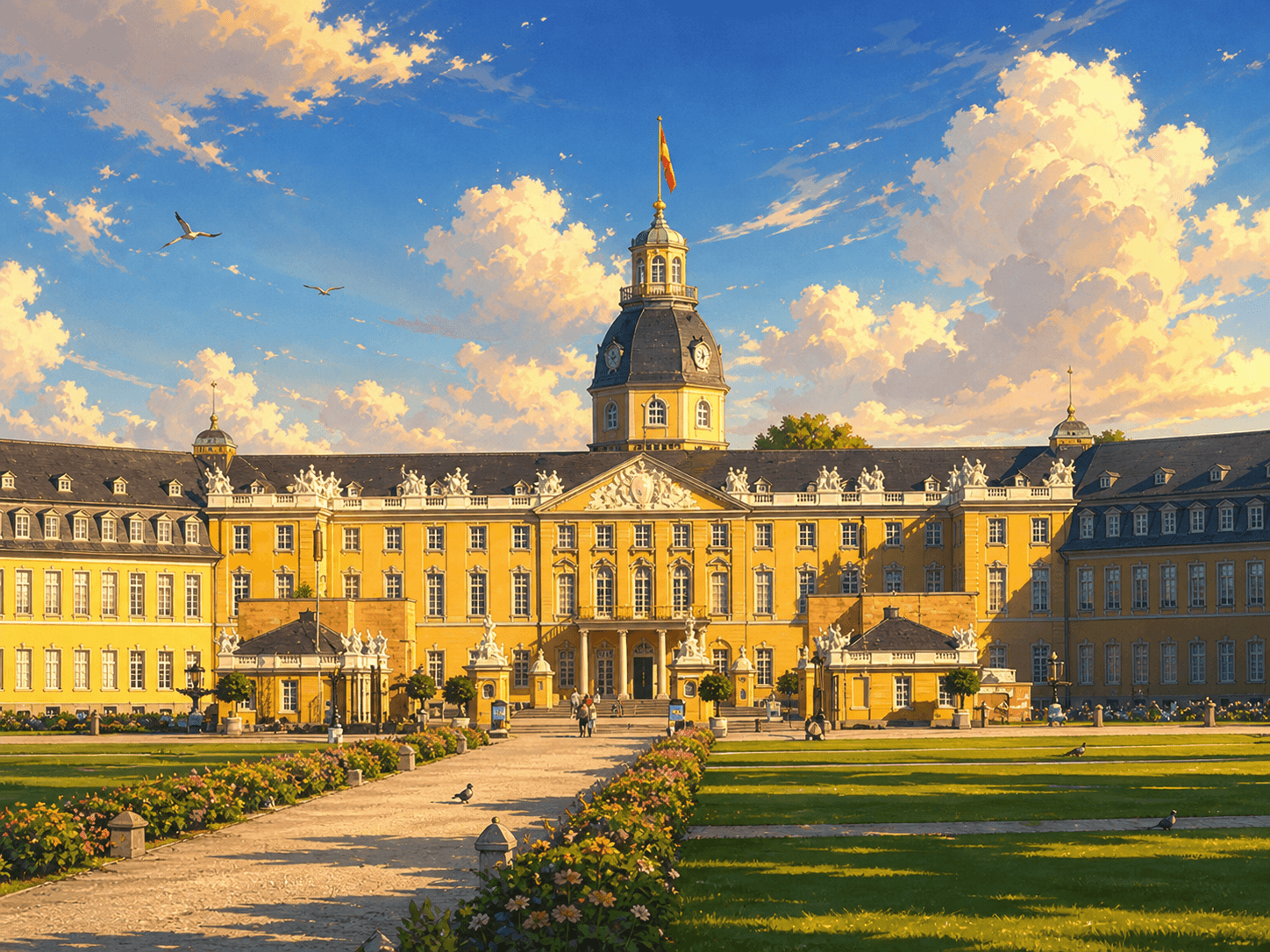
In February 2026, Karlsruhe made significant decisions regarding urban space, particularly in Hohenwettersbach and along the Stephanienstraße. We analyze the developments, backgrounds, and implications.
Urban Development in Karlsruhe: From Urban Gardens to Construction Projects
The city of Karlsruhe has positioned itself in recent years as a pioneer in sustainable urban development. In February 2026, this dynamic continued – especially in Hohenwettersbach, where a new usage concept for the Lustgarten and an urban forest garden are planned, and along the Stephanienstraße, where the expansion of buildings is being discussed. These initiatives demonstrate how the city is seeking a balance between green space, living space, and social engagement.
Design of the Lustgarten and Development of an Urban Forest Garden
In the local council of Hohenwettersbach, the focus was on the future of the Lustgarten and the adjacent areas. A central project was the development of a design and use concept for the Lustgarten, complemented by the designation of a plot for a community and participatory garden.
Areas 1, 2, and 3 are to be redesigned into an urban forest garden, although sub-areas 1A, 1B, and 1C are unsuitable for the cultivation of food plants due to exceeded precautionary values (e.g., "Benzo(a)pyrene"). Nevertheless, the redesign of these areas as green space is feasible.
With a minimum area of 5,000 square meters, the forest garden will not only create a green lung for the region but also provide space for social and educational activities. The local council unanimously approved the change in land use and supported the designation of areas 1, 2, and 3.
Expansion on the Stephanienstraße: Urban Planning in a Tension Field
Another current project discussed in February is the expansion of the buildings at Stephanienstraße 30–32. The Design Advisory Board met on February 27, 2026, and addressed the question of how this measure fits into the overall urban image.
This expansion could on the one hand help to ease the housing market, but on the other hand also raise questions about accessibility, architecture, and social interaction. The Design Advisory Board plays a crucial role here in maintaining the balance between urban planning needs and cultural heritage.
Background: Politics and Processes in Hohenwettersbach
The political landscape in Hohenwettersbach is characterized by a colorful mix of parties, including the SPD, CDU, Greens, and FWH/FDP. The current composition of the local council has changed due to recent shifts: Julia Schulze Steinen, Dr. Elke Winkler, and Julia Wohlwender have resigned from their posts. New impulses are coming from Elke Ernemann (SPD), Detlef Kamlah (Greens), and others.
Transparency and public participation play a central role – a site visit of the areas took place already on January 10, 2025. In addition, agendas, documents, and meeting compositions are publicly accessible, which promotes civic participation.
Outlook: Green Space, Living Space, and Future Readiness
The developments in February 2026 show how Karlsruhe is advancing its forward-looking urban policy. The creation of urban green spaces such as the forest garden in Hohenwettersbach is a step toward a sustainable, livable city. At the same time, the expansion on the Stephanienstraße remains a symbol of the challenges that come with the housing market.
In the coming months, it will be interesting to observe how these projects are implemented and what role citizens play. The next meetings of the local council and the Design Advisory Board – among others on June 26 and October 9, 2026 – offer further opportunities to actively shape urban development.
NeoSearch analyses public council documents, committee minutes and municipal announcements. Source references appear automatically once verified meeting data is available.
What does this mean for businesses?
Schools, daycare centres and public buildings create early planning and construction opportunities. Following council agendas surfaces tenders for refurbishment, new builds and fit-out months before the official award — from shell construction to specialist planning to furnishing.
Track similar decisions in your region
Set up monitoring for education & public facilities in Baden-Württemberg — prefilled from this article.
Set up monitoring →More signals from Karlsruhe
Sports and Safety in Karlsruhe: The Debate on Lighting the Calisthenics Facility
In April 2026, Karlsruhe is intensively discussing the lighting of the Calisthenics facility on Karl-Hubbuch-Weg. The SPD is calling for an evaluation, while the city utility company and experts raise concerns. An overview of the background, costs, and alternatives.
Read more → Mobility in Hohenwettersbach: Challenges and Opportunities in April 2026
In April 2026, several mobility-related decisions were in focus in Hohenwettersbach, a district of Karlsruhe, aiming at climate-friendly alternatives and better school connectivity. The local council discussed proposals for the expansion of car-sharing and bicycle rental stations as well as improvements to the school bus service.
Read more → Financial Policy in Karlsruhe: Budget Decisions and Investments in April 2026
Karlsruhe’s Main and Finance Committee made important decisions regarding the city’s budget in April 2026. In this deep dive, we explore the background, the involved actors, and the long-term implications of these measures.
Read more →