Karlsruhe Implements Flexible Parking Regulation for Residential Buildings – Analysis of the 2026 Parking Ordinance
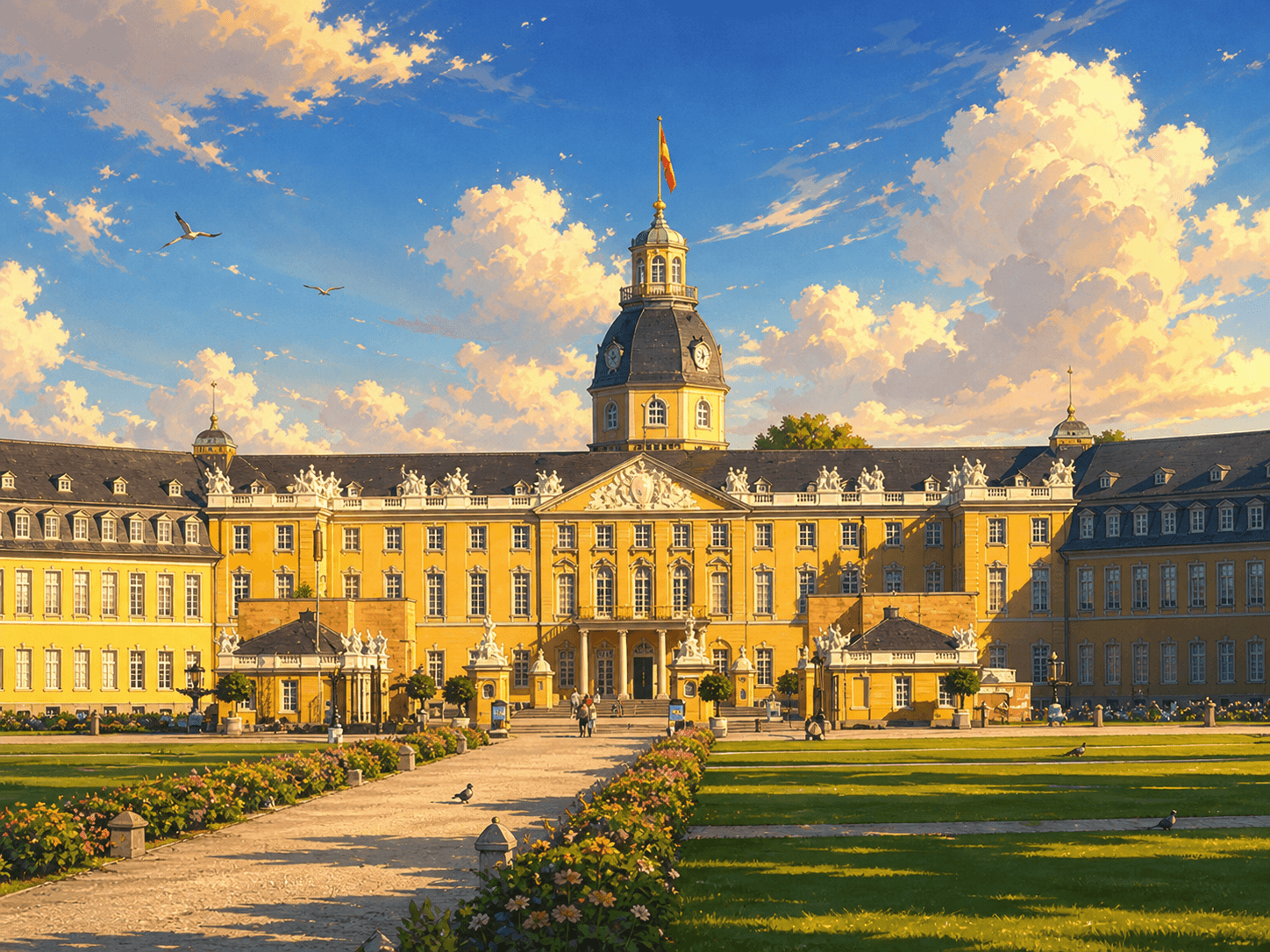
In January 2026, the city of Karlsruhe adopted a new parking ordinance that revises the requirements for car and bicycle parking spaces for residential buildings. The goal is to save space, strengthen climate protection, and align the demand for parking spaces more realistically. We analyze the background, the regulatory content, and the controversies.
Urban Planning in Transition: Karlsruhe’s New Parking Ordinance
In January 2026, the city of Karlsruhe adopted a new ordinance on car and bicycle parking space requirements for residential buildings. The regulation influences the building planning process and reflects the current mobility situation in the region. With a modal split of 74 % for environmental transport and a decline in motorized individual transport (MIV) from 33 % (2018) to 27 % (2023), Karlsruhe is a pioneer in the transport transition. At the same time, car densities in the city center are significantly lower than in the outer districts – a development that the new ordinance takes into account.
Flexibility and Zoning
The parking ordinance divides the city area into three zones, with the number of car parking spaces per residential unit varying accordingly:
- Zone 1 (central location): 0.6 parking spaces per unit
- Zone 2 (near central location): 0.8 parking spaces per unit
- Zone 3 (outer city area): 1.0 parking spaces per unit (reducible to 0.8 if public transport is within 400 meters)
This zoning not only considers the spatial location but also the infrastructure – particularly the accessibility of tram and streetcar stops. In Zone 3, a bonus of 0.2 parking spaces is possible if the construction project is located near a public transport stop.
In addition, certain types of housing have reduced parking requirements:
- Social rental housing: 25 % reduction
- Senior housing: 50 % reduction
- Units under 35 m²: 25 % reduction
These provisions aim to promote social and ecological goals while providing developers with planning certainty.
Bicycle Parking Spaces: Promoting Cycling
In addition to the regulation of car parking spaces, the ordinance also sets new requirements for bicycle parking spaces. For buildings with more than two residential units, one bicycle parking space is required per 30 m² of total living area. The technical requirements are precisely defined – among other things, parking spaces must be at least 2.0 m long and 0.7 m wide and easily accessible.
This regulation is part of a broader effort to strengthen cycling in Karlsruhe. According to statistics, over 37 % of the residents cycle daily or almost daily, and in the upper city districts, nearly every household owns an e-bike.
Criticism and Controversies
Despite the clear goals and precise regulation, the parking ordinance has sparked discussions and concerns. Some civic associations, such as the Bürgerverein Waldstadt, fear that the reduction in parking requirements could lead to increased parking pressure in public areas. They are calling for an increase in the parking ratio in Zone 3 to at least 1.2.
The question of whether car-free households might be disadvantaged by the new regulation has also arisen in public debate. The city administration emphasizes that the provisions are based on the “regularly expected demand” and should not be seen as an intentional reduction aimed at traffic calming.
Outlook and Consequences
The parking ordinance comes into effect on the day of its announcement and includes transitional provisions for building permits that have already been initiated. For construction projects initiated within six months of the ordinance coming into force, only the more favorable provisions of the new ordinance apply.
In the long term, the regulation is intended to help ease residential construction, save space, and strengthen climate protection. At the same time, the city of Karlsruhe remains active in the debate on parking space, infill development, and mobility transformation. The ordinance is a step toward future-oriented urban planning – with clear provisions, but also open questions.
NeoSearch analyses public council documents, committee minutes and municipal announcements. Source references appear automatically once verified meeting data is available.
What does this mean for businesses?
Town halls, fire stations, depots and administrative buildings create early construction and refurbishment opportunities. Following council agendas reveals projects before they go to tender.
Track similar decisions in your region
Set up monitoring for public buildings & administration in Baden-Württemberg — prefilled from this article.
Set up monitoring →More signals from Karlsruhe
Sports and Safety in Karlsruhe: The Debate on Lighting the Calisthenics Facility
In April 2026, Karlsruhe is intensively discussing the lighting of the Calisthenics facility on Karl-Hubbuch-Weg. The SPD is calling for an evaluation, while the city utility company and experts raise concerns. An overview of the background, costs, and alternatives.
Read more → Mobility in Hohenwettersbach: Challenges and Opportunities in April 2026
In April 2026, several mobility-related decisions were in focus in Hohenwettersbach, a district of Karlsruhe, aiming at climate-friendly alternatives and better school connectivity. The local council discussed proposals for the expansion of car-sharing and bicycle rental stations as well as improvements to the school bus service.
Read more → Financial Policy in Karlsruhe: Budget Decisions and Investments in April 2026
Karlsruhe’s Main and Finance Committee made important decisions regarding the city’s budget in April 2026. In this deep dive, we explore the background, the involved actors, and the long-term implications of these measures.
Read more →