Karlsruhe: Fight for Life – The Debate on AEDs in Stupferich
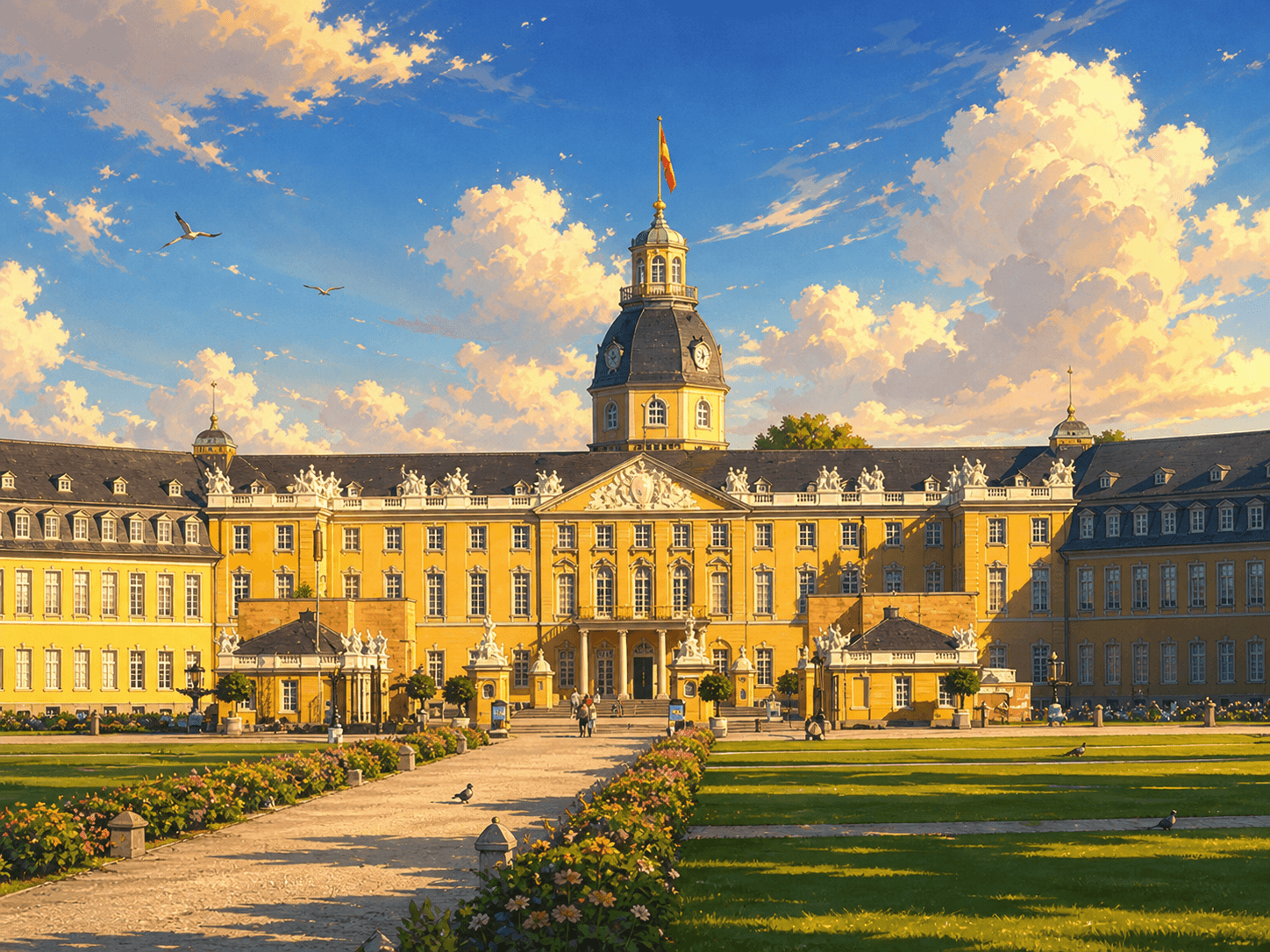
In February 2026, Karlsruhe engaged in an intense discussion about equipping public spaces with Automated External Defibrillators (AEDs) as part of the initiative "Region der Lebensretter". The local council of Stupferich faced the question: Should the city commit to the sponsorship model – or rather choose an independent solution in cooperation with the Red Cross and the fire department?
The Importance of AEDs in Public Health Policy
Sudden cardiac arrest is one of the deadliest emergencies that can occur in public. In Germany, more than 40,000 people die from sudden cardiac arrest each year – many because no defibrillator is nearby or the first responders are not sufficiently trained. Especially in cities like Karlsruhe, where life pulses in densely populated districts such as Stupferich, equipping public spaces with AEDs is a decisive factor in saving lives.
The Motion by the FWV-OR Faction
In February 2026, the FWV-OR faction put forward a clear proposal: the procurement of an AED device in Stupferich as part of joining the initiative "Region der Lebensretter". The goal of the association is to establish a comprehensive network of first responders and AEDs, supported by a modern digital alert system.
The costs for a device, including a wall cabinet and installation, are estimated to be around €1,500–2,000. In addition, there are annual maintenance and operating costs of €100–150. The initiative offers funding opportunities through the Björn Steiger Foundation, which makes the financing more attractive for the city of Karlsruhe.
The Position of the Local Administration: Independence Instead of Sponsorship
In contrast, the local administration of Stupferich opposed binding itself to the sponsorship model of the "Region der Lebensretter" association. Instead, it favored an independent, donation-funded solution in cooperation with the Red Cross and the fire department.
A key reason for this: the sponsorship model is significantly more expensive in the long term. While the association's sponsorship costs over €5,000 per year for five years, an independent project with the Red Cross and fire department would involve one-time costs of about €2,000. Over 15 years, the total costs would be limited to €3,000–4,000 – significantly lower than the €15,000 for the sponsorship.
The local administration is ready to support the initiative with a financial contribution of €300–500 and organizational support. In addition, it emphasized that the city of Karlsruhe generally does not procure public AEDs and does not maintain funds for this purpose. An independent solution would bring greater transparency and lower long-term costs.
The Future of the AED Initiative in Karlsruhe
The discussion about AEDs in Stupferich reflects a broader societal change. More and more municipalities are recognizing the necessity of saving lives – not only through medical infrastructure, but also through prevention and preparedness.
In Karlsruhe, the model of a cooperative, donation-funded solution – with support from the Red Cross, fire department, and local administration – could serve as a blueprint for other districts. In addition, the initiative offers opportunities for training programs that actively involve the population in the rescue chain.
In 2026, Karlsruhe is therefore not only facing the decision of whether an AED will be installed in Stupferich, but also the question of how the city wants to actively care for the health of its citizens – now and in the future.
Outlook: From Defibrillator to Chain of Survival
The debate about AEDs in Karlsruhe shows: saving lives is more than just purchasing devices. It is about a system of first responders, organization, transparency, and community. Karlsruhe has the opportunity to set a milestone with an independent solution in Stupferich – not only for this district, but for the entire city.
The coming weeks will show whether the local administration will take up the proposal of the FWV-OR faction and further develop the initiative. One thing is clear: equipping public spaces with AEDs is not an option, but a responsibility – and Karlsruhe is on its way to taking on that responsibility.
NeoSearch analyses public council documents, committee minutes and municipal announcements. Source references appear automatically once verified meeting data is available.
What does this mean for businesses?
Municipal council decisions are early indicators: following the council agenda surfaces projects and tenders months before the official award — before they ever reach the procurement portals.
Track similar decisions in your region
Set up monitoring for Healthcare and Public Health in Baden-Württemberg — prefilled from this article.
Set up monitoring →More signals from Karlsruhe
Sports and Safety in Karlsruhe: The Debate on Lighting the Calisthenics Facility
In April 2026, Karlsruhe is intensively discussing the lighting of the Calisthenics facility on Karl-Hubbuch-Weg. The SPD is calling for an evaluation, while the city utility company and experts raise concerns. An overview of the background, costs, and alternatives.
Read more → Mobility in Hohenwettersbach: Challenges and Opportunities in April 2026
In April 2026, several mobility-related decisions were in focus in Hohenwettersbach, a district of Karlsruhe, aiming at climate-friendly alternatives and better school connectivity. The local council discussed proposals for the expansion of car-sharing and bicycle rental stations as well as improvements to the school bus service.
Read more → Financial Policy in Karlsruhe: Budget Decisions and Investments in April 2026
Karlsruhe’s Main and Finance Committee made important decisions regarding the city’s budget in April 2026. In this deep dive, we explore the background, the involved actors, and the long-term implications of these measures.
Read more →