Karlsruhe's Budget Policy: Key Financial Focus Areas and Challenges in March 2026
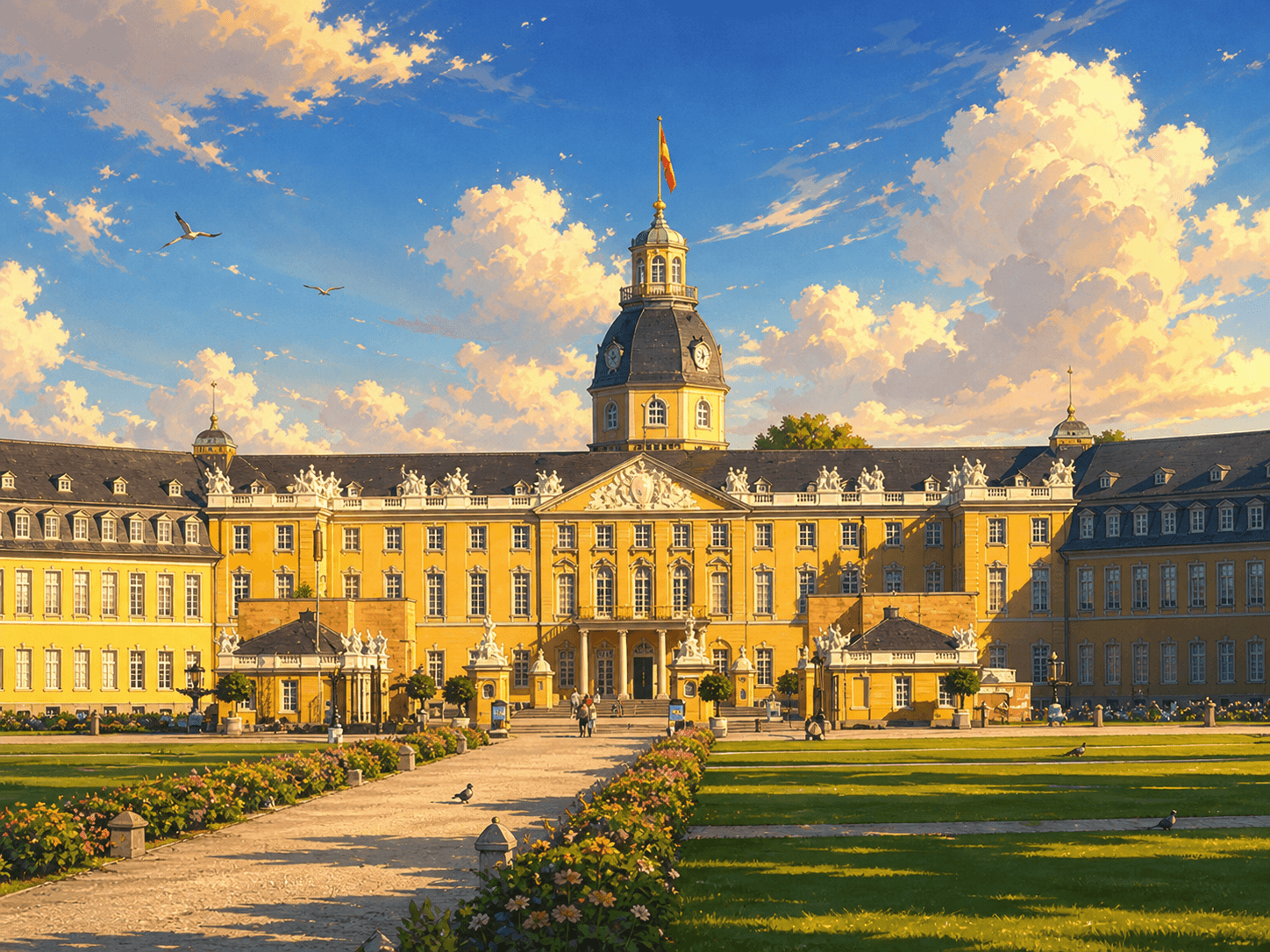
In March 2026, key budget discussions took place in Karlsruhe, covering investment projects like the Turmbergbahn, tourism promotion, and cost-saving measures. The Main and Finance Committee discussed where funds should be allocated, where savings could be made, and where long-term risks needed to be mitigated.
Budget Monitoring and Investment Development
In March 2026, several financially significant topics were at the center of the Main and Finance Committee's agenda in Karlsruhe. A central issue was the cost monitoring of the new Turmbergbahn, a project that has played a major role in the city budget for years. Originally estimated at 32 million euros, it became clear that the financial situation had fundamentally changed compared to the calculations from the 2020s. Although the city received a 50 percent state subsidy, rising construction and operating costs, as well as the wear and tear of technology and infrastructure, require stronger financial oversight. The cost development is now monitored semi-annually, and the City Council receives regularly updated reports.
The administration also made clear that any changes to the architecture or construction methods could result in additional costs for which no reserves are currently available. This illustrates how sensitively the city must handle investment budgets, especially in times of rising inflation and uncertain financial markets.
Tourism Promotion and City Tax
Another focus was the use of the City Tax, the overnight stay tax, which has been used in Karlsruhe for several years to support tourism projects. In March 2026, 400,000 euros from the City Tax were approved for specific tourism measures. The funds are, for example, being used for the supporting program of the Eurovision Song Contest (ESC) and for events that strengthen the city's gastronomic scene and tourist offerings.
The administration emphasized that project selection follows clear criteria: sustainability, visibility, cost-effectiveness, and multiplier effects are central. At the same time, the city aims to use large-scale tourism events like the ESC more effectively as marketing tools. The City Tax is intended to make the city more attractive for tourists and to ease the municipal budget.
Cost-Saving Measures and Volunteer Support
At the same time, the City Council sought ways to reduce the municipal budget. One proposal aimed to reduce discretionary services and integrate volunteers more strongly into existing structures to relieve salaried staff. This approach is part of a broader strategy to reduce service costs through social and volunteer initiatives. Although such measures are not budgeted for, they are covered by reallocations within the city departments. However, the administration is skeptical, as synergies between voluntary services and cost-saving measures are often not immediately apparent.
Conclusion: Budget Consolidation in a Delicate Balance
The March discussions show that Karlsruhe in 2026 faces pressure on both investments and cost-saving measures in the budget. On the one hand, major projects such as the Turmbergbahn must be financially monitored and decisions with risk exposure must be cushioned. On the other hand, investments are being made in tourism projects to strengthen the city's economic dynamism. At the same time, cost-cutting opportunities are being sought, particularly through the strengthening of social and volunteer structures.
The city's challenge lies in aligning long-term investments with short-term cost-saving goals. In doing so, external factors such as rising construction costs and inflation must also be taken into account. The upcoming meetings of the Main and Finance Committee, scheduled to continue into 2026, will show whether the city's financial strategy remains viable.
NeoSearch analyses public council documents, committee minutes and municipal announcements. Source references appear automatically once verified meeting data is available.
What does this mean for businesses?
Municipal council decisions are early indicators: following the council agenda surfaces projects and tenders months before the official award — before they ever reach the procurement portals.
Track similar decisions in your region
Set up monitoring for Finance and Budget in Baden-Württemberg — prefilled from this article.
Set up monitoring →More signals from Karlsruhe
Sports and Safety in Karlsruhe: The Debate on Lighting the Calisthenics Facility
In April 2026, Karlsruhe is intensively discussing the lighting of the Calisthenics facility on Karl-Hubbuch-Weg. The SPD is calling for an evaluation, while the city utility company and experts raise concerns. An overview of the background, costs, and alternatives.
Read more → Mobility in Hohenwettersbach: Challenges and Opportunities in April 2026
In April 2026, several mobility-related decisions were in focus in Hohenwettersbach, a district of Karlsruhe, aiming at climate-friendly alternatives and better school connectivity. The local council discussed proposals for the expansion of car-sharing and bicycle rental stations as well as improvements to the school bus service.
Read more → Financial Policy in Karlsruhe: Budget Decisions and Investments in April 2026
Karlsruhe’s Main and Finance Committee made important decisions regarding the city’s budget in April 2026. In this deep dive, we explore the background, the involved actors, and the long-term implications of these measures.
Read more →