Governance in Karlsruhe: Transparency, Participation, and New Structures in January 2026
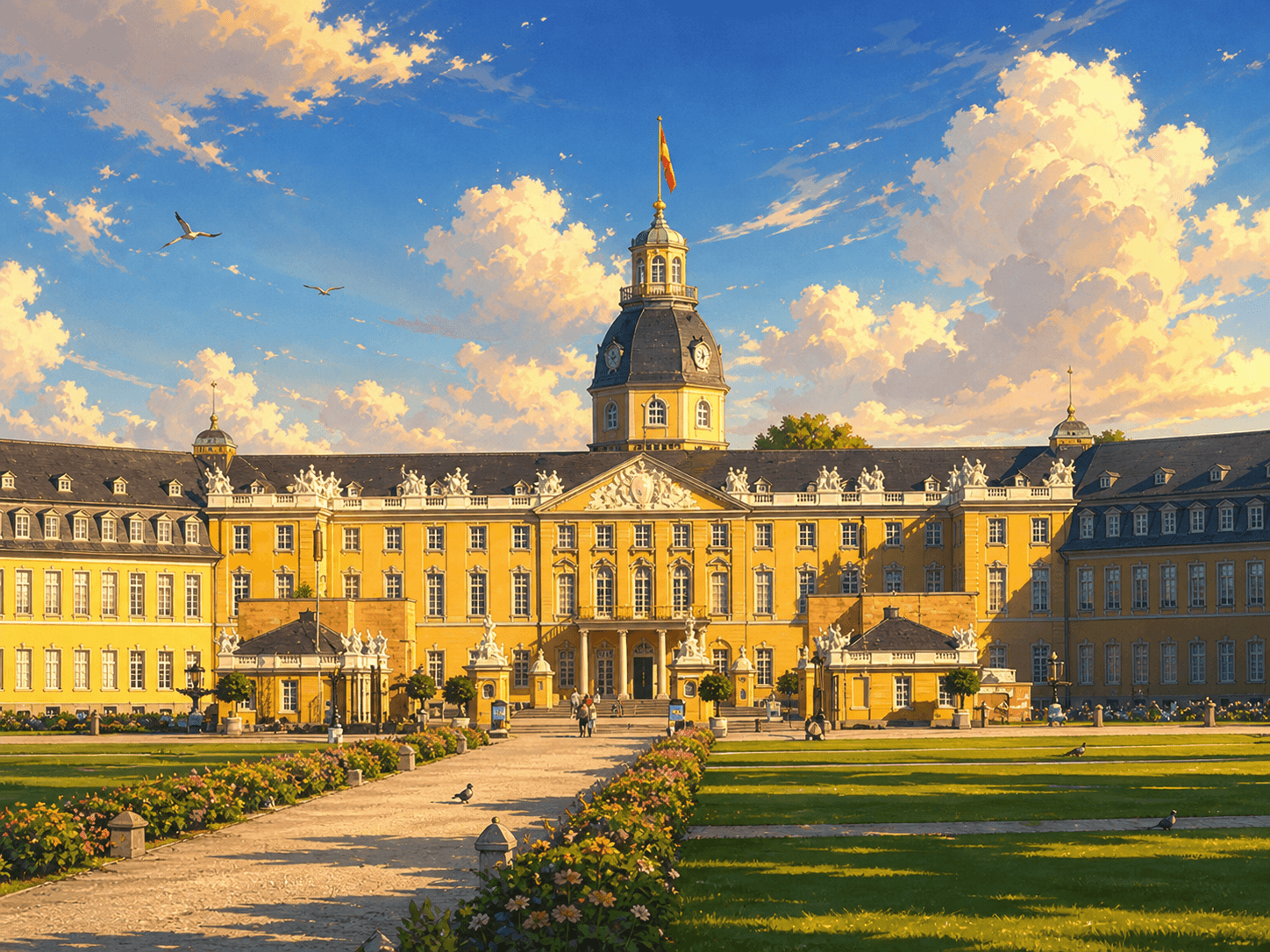
In January 2026, Karlsruhe made significant decisions in the area of governance and administration. From procedural regulations to citizen participation and new neighborhood projects – an overview.
Governance in Karlsruhe: How Decisions in January 2026 Gained Structure
In January 2026, the city of Karlsruhe intensified its efforts to shape its governance structures. New procedural regulations, participation models, and administrative procedures were established in the local councils of Wolfartsweier, Hohenwettersbach, and Wettersbach. These developments demonstrate how the city is further developing its democratic processes and aiming to establish more citizen-oriented structures.
Procedural Regulations and Procedures: More Transparency in the Local Council
A central focus was the revision of the procedural regulations of the Wolfartsweier local council. These regulations not only govern the calling and organization of meetings but also procedures in cases of conflict of interest and voting. It is now established that meetings generally take place on the first Tuesday of each month at 7:00 p.m. Members of the local council (MdO) are required to act voluntarily and selflessly and are bound by a confidentiality obligation.
Another key aspect was the clear definition of how voting is conducted. In the case of a tie, a proposal is rejected, and in elections, the decision is made by lot. Secret voting is possible upon request, especially when there is public interest. These regulations contribute to making decision-making processes more transparent and comprehensible.
Citizen Participation and Public Question Time: A Step Toward Involvement
Another development was the introduction of public question times in several local councils, particularly in Wettersbach. This tool enables citizens to directly engage in political debates and raise topics. Additionally, MdO can submit questions in writing, electronically, or orally, with written responses required within two months.
The city also tightened the agenda regulations: Agendas must be published no later than seven days before a meeting, and changes can be requested up to 24 hours in advance. If requested by a faction or one-sixth of the MdO, a topic for discussion must be added to the agenda – another step toward strengthening citizen participation.
Neighborhood Development and Infrastructure: Chat Benches as Social Anchors
In addition to administrative matters, neighborhood development was also in focus. In several districts such as Neureut and Wettersbach, chat benches were installed to promote social interaction and combat loneliness. The benches are either reused from existing stock or newly purchased when funds are available. The site selection is done in cooperation with citizens' associations and local administrations, without the installation of additional signs.
Funding is provided through the budget of the Department of Parks and Gardens or through donations. This initiative shows how Karlsruhe is implementing citizen-oriented solutions in urban spaces and also attaches importance to symbolic design elements.
Outlook: Stable Structures for the Future
The governance developments in Karlsruhe in January 2026 show that the city is clearly focusing on transparency, participation, and citizen-oriented politics. Through clear procedural regulations, new formats for participation, and social initiatives such as the chat benches, the administration is becoming more accessible and citizen-friendly. These structures will also play a central role in the coming months, as further meetings are planned.
NeoSearch analyses public council documents, committee minutes and municipal announcements. Source references appear automatically once verified meeting data is available.
What does this mean for businesses?
Town halls, fire stations, depots and administrative buildings create early construction and refurbishment opportunities. Following council agendas reveals projects before they go to tender.
Track similar decisions in your region
Set up monitoring for public buildings & administration in Baden-Württemberg — prefilled from this article.
Set up monitoring →More signals from Karlsruhe
Sports and Safety in Karlsruhe: The Debate on Lighting the Calisthenics Facility
In April 2026, Karlsruhe is intensively discussing the lighting of the Calisthenics facility on Karl-Hubbuch-Weg. The SPD is calling for an evaluation, while the city utility company and experts raise concerns. An overview of the background, costs, and alternatives.
Read more → Mobility in Hohenwettersbach: Challenges and Opportunities in April 2026
In April 2026, several mobility-related decisions were in focus in Hohenwettersbach, a district of Karlsruhe, aiming at climate-friendly alternatives and better school connectivity. The local council discussed proposals for the expansion of car-sharing and bicycle rental stations as well as improvements to the school bus service.
Read more → Financial Policy in Karlsruhe: Budget Decisions and Investments in April 2026
Karlsruhe’s Main and Finance Committee made important decisions regarding the city’s budget in April 2026. In this deep dive, we explore the background, the involved actors, and the long-term implications of these measures.
Read more →