Weimar's Mobility Transformation 2026: Public Transport, Cycling, and Traffic Policy in Focus
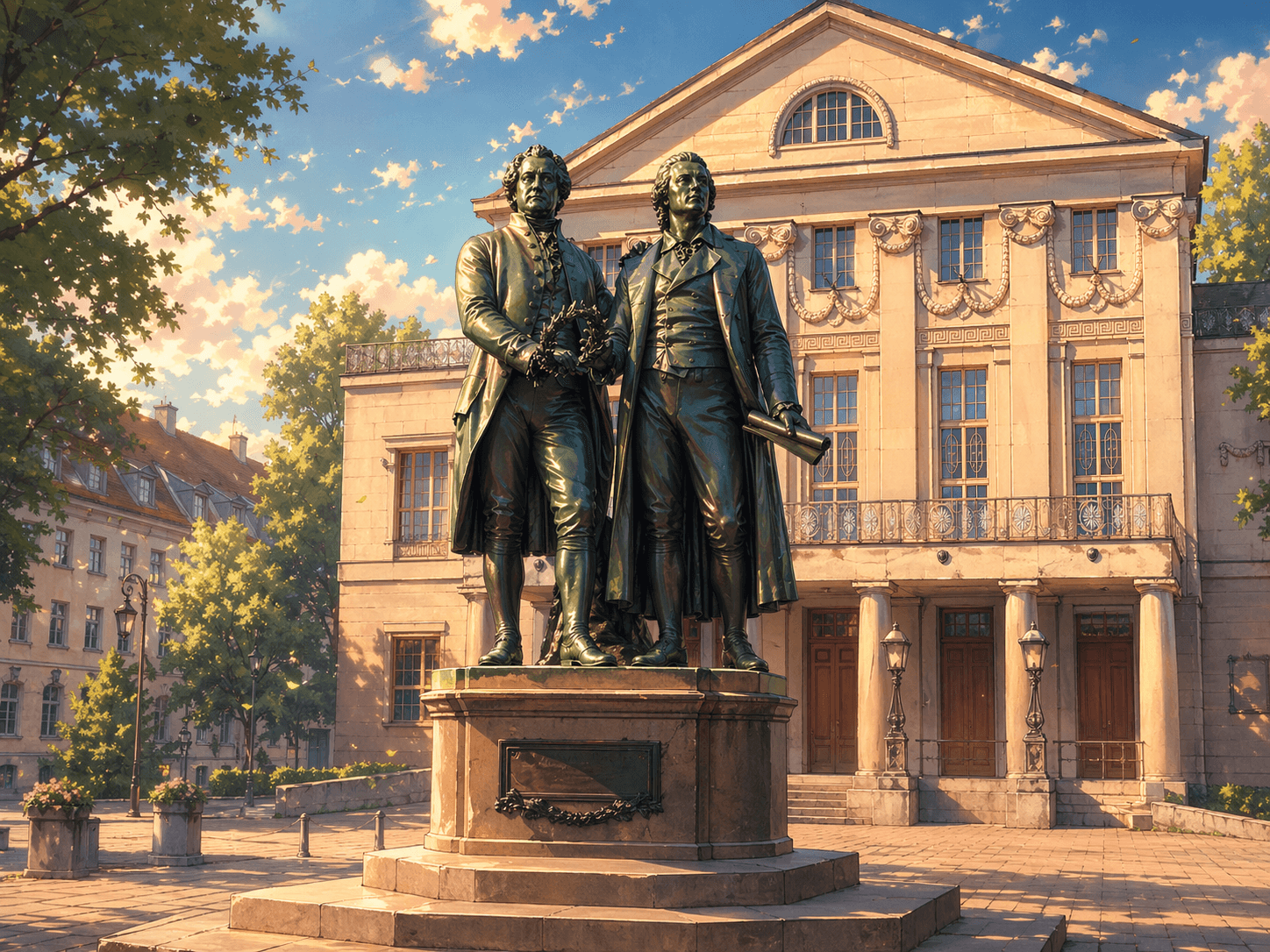
In February 2026, Weimar is set to make significant strides in traffic policy. The expansion of public transport, the extension of contracts with Stadtwirtschaft Weimar GmbH, the development of cycling infrastructure, and the de-criminalization of fare evasion are the focal points of the month.
Public Transport Structure and Long-Term Planning Security
In February 2026, Weimar decided to extend the duration of the public service obligation (PSO) for public local transport (PLT) from ten to fifteen years. This measure, implemented in accordance with EU Regulation (EC) No. 1370/2007 and the deployment of hydrogen technology, is of central importance for the city's long-term planning security.
Stadtwirtschaft Weimar GmbH, a municipal company, will continue to operate transportation services on lines 1 to 9 in the future. These lines connect key locations such as Goetheplatz, the main train station, and industrial areas and are of great importance to the daily lives of Weimar's residents. The direct award under Article 5(2) of the EU regulation underlines the strategic importance of public transport for the city.
The extension of the contract term not only allows for cost savings but also facilitates a better integration of technological innovations such as hydrogen buses. In addition, the local transport plan for 2026–2030 will be continued, with flexibility and on-demand systems taking center stage.
Cycling: Investments and New Routes
Cycling has gained in importance in Weimar in recent years, and February 2026 brought important decisions and discussions in this area. The Advisory Council for Cycling met in February and highlighted various measures, including the improvement of cycling safety in the school route network, the expansion of bicycle parking facilities at schools, and the connection of Schöndorf to the mobility hub at the main train station.
A central issue was the implementation of the cycling strategy, which will be updated by 2028. Particularly noteworthy was the discussion on the separation of pedestrian and cycling traffic in Industriestraße. Although the measure is currently not part of the investment plan, it will be considered in the next strategy update.
In addition, the expansion of sheltered bicycle parking spaces was discussed, particularly at schools. The city wants to specifically increase safety and convenience in this area to further promote cycling.
Fare Evasion: De-Criminalization and Social Justice
Another focus of Weimar's transport policy is the de-criminalization of fare evasion. In February 2026, the city decided that Stadtwirtschaft Weimar GmbH will no longer file criminal complaints for fare evasion from now on. Instead, users should be referred to the Social Ticket and local social counseling services.
This measure is part of a two-year pilot phase in which the effects are to be evaluated. Critics fear that this could lead to more fare evasion, but supporters argue that the criminal prosecution is often disproportionate and particularly affects people in poverty.
The decision is also a step towards relieving the public prosecutors' offices, courts, and the state treasury, which bear significant annual costs due to criminal prosecution. At the same time, it aims to strengthen social justice and make public transport more accessible to all population groups.
Outlook: Mobility as a Key Issue for Weimar's Future
The developments in February 2026 show that Weimar is following a clear course in its mobility and transport policy. The expansion of public transport, the promotion of cycling, and the de-criminalization of fare evasion are steps towards a sustainable, socially just, and traffic-friendly city.
The coming months will show whether these measures actually lead to an improved mobility situation—not only in theory, but also in practice. For Weimar, it is clear: mobility is not just a traffic issue, but a central building block for the city's future.
NeoSearch analyses public council documents, committee minutes and municipal announcements. Source references appear automatically once verified meeting data is available.
What does this mean for businesses?
Municipal council decisions are early indicators: following the council agenda surfaces projects and tenders months before the official award — before they ever reach the procurement portals.
Track similar decisions in your region
Set up monitoring for kommunale Projekte in Thüringen — prefilled from this article.
Set up monitoring →More signals from Weimar
Culture and Community in Weimar: April 2026 in the Spotlight
April 2026 in Weimar was marked by crucial steps in the city's cultural development. From the Weimar Onion Market to the commemoration of Margarethe Geibel, cultural values, preservation, and remembrance were at the heart of the Cultural Committee's discussions.
Read more → Weimar in Transition: Economic Development and Structural Development in April 2026
In April 2026, Weimar is focusing on innovation, cooperation, and structural adaptation in its economic development – with a focus on tourism, commerce, and urban marketing.
Read more → Weimar in April 2026: Culture, Economy, and Youth in Focus
In April 2026, Weimar focused on decisions in the areas of economy, culture, and youth support. The city created momentum in tourism, approved important cultural projects, and strengthened youth policy. Here is the monthly review.
Read more →