Weimar's Cultural Policy in March 2026: Fireworks, Honors, and Cultural Identity
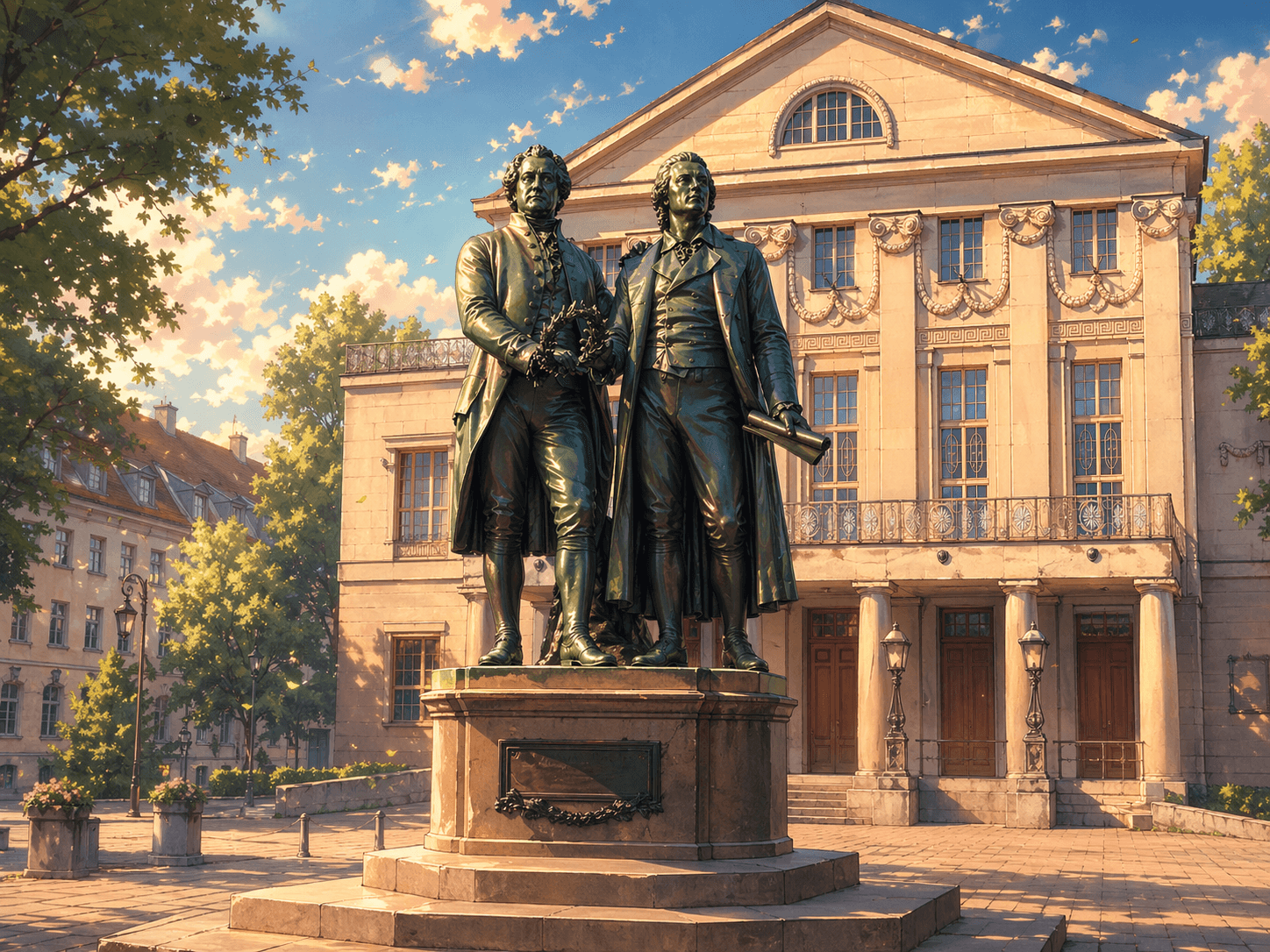
In March 2026, important decisions in Weimar's Cultural Committee aimed to redefine the city's cultural landscape and identity. From central New Year's fireworks to the honoring of citizens and critical motions against cultural cooperation with Russia – the discussions revealed a nuanced approach to Weimar's cultural role.
Culture as an Anchor of Identity – Weimar's Decisions in March 2026
Weimar is not only a city of classical heritage but also a cultural beacon with a wide range of institutions, projects, and debates. In March 2026, the Cultural Committee addressed key topics on the agenda that could shape the future of Weimar's cultural identity. From the proposal for a central New Year's fireworks display to the honoring of citizens – the discussions showed how multifaceted cultural policy is in the city today.
Central Fireworks: Cultural Policy in the Context of Safety
A central topic in the cultural debate was the motion by the faction BÜNDNIS90/DIE GRÜNEN to introduce a central New Year's fireworks display in Weimar. The goal is to reduce private pyrotechnic use and thus counter environmental pollution, noise disturbance, and health risks. The motion's justification also mentioned incidents such as attacks on security forces in connection with private fireworks.
The city plans to consider alternatives such as drone or laser shows to make the fireworks more attractive and sustainable. In addition, designated no-fire zones will be expanded and controls will be intensified. The decision shows how cultural policy is also at the intersection of safety, the environment, and cultural offerings.
Cultural Identity and Political Stance: The Motion Against the Russian State Ballet
Another controversial motion was the rejection of further funding for the "Grand Classic Ballet" – in reality the Russian State Ballet – by the city of Weimar. The faction BÜNDNIS90/DIE GRÜNEN argued that the ensemble performs in Weimar under a false name and contributes state earnings to Russia's war budget. Instead, the "Grand Kyiv Ballet" should be supported in the future.
This motion underlines how cultural cooperation also carries political and ethical dimensions. Weimar, as a historical site of classical culture and the Bauhaus movement, is thus part of a debate that goes far beyond local cultural policy.
Honors and Cultural Recognition: The New Regulation for the Awarding of Honorary Medals
In March 2026, Weimar adopted a new regulation on the awarding of honorary medals to meritorious citizens. The aim is to make the process for honors more transparent, uniform, and legally secure. The regulation establishes clear responsibilities and binding procedural steps, with suggestions being able to come from the population.
The honors themselves are awarded in three categories: civil courage, volunteer work, and lifetime achievement. The awarding is carried out by the Mayor in a dignified manner and is publicly announced. This step shows how much Weimar also promotes the values of community and voluntary commitment in cultural policy.
Future of Cultural Infrastructure: The Lichthaus Cinema and the Weimar Lettering
Another exciting project was the future of the Lichthaus Cinema, seen as a link between commercial and public cinema. In addition, the motion for a mobile "WEIMAR" lettering was discussed – a project planned in reference to the "Letter Hedge" from the Bauhaus Year 2009. The goal is to establish Weimar's city brand more strongly in the digital and social media world.
The discussion about the lettering showed how cultural identity is also communicated visually – and how policy and culture are closely interwoven.
Outlook: Weimar as a Cultural Catalyst
The decisions in March 2026 show how Weimar is positioning itself as a culturally engaged and politically reflective place. Whether through honors, politically shaped cultural work, or the promotion of innovative projects – the city proves that cultural policy is not only about museums and concerts, but also about identity, values, and future visions.
NeoSearch analyses public council documents, committee minutes and municipal announcements. Source references appear automatically once verified meeting data is available.
What does this mean for businesses?
Municipal council decisions are early indicators: following the council agenda surfaces projects and tenders months before the official award — before they ever reach the procurement portals.
Track similar decisions in your region
Set up monitoring for Culture and Community in Thüringen — prefilled from this article.
Set up monitoring →More signals from Weimar
Culture and Community in Weimar: April 2026 in the Spotlight
April 2026 in Weimar was marked by crucial steps in the city's cultural development. From the Weimar Onion Market to the commemoration of Margarethe Geibel, cultural values, preservation, and remembrance were at the heart of the Cultural Committee's discussions.
Read more → Weimar in Transition: Economic Development and Structural Development in April 2026
In April 2026, Weimar is focusing on innovation, cooperation, and structural adaptation in its economic development – with a focus on tourism, commerce, and urban marketing.
Read more → Weimar in April 2026: Culture, Economy, and Youth in Focus
In April 2026, Weimar focused on decisions in the areas of economy, culture, and youth support. The city created momentum in tourism, approved important cultural projects, and strengthened youth policy. Here is the monthly review.
Read more →