Culture and Community in Jena: Depth on Cultural Policy and Sociocultural Engagement in February 2026
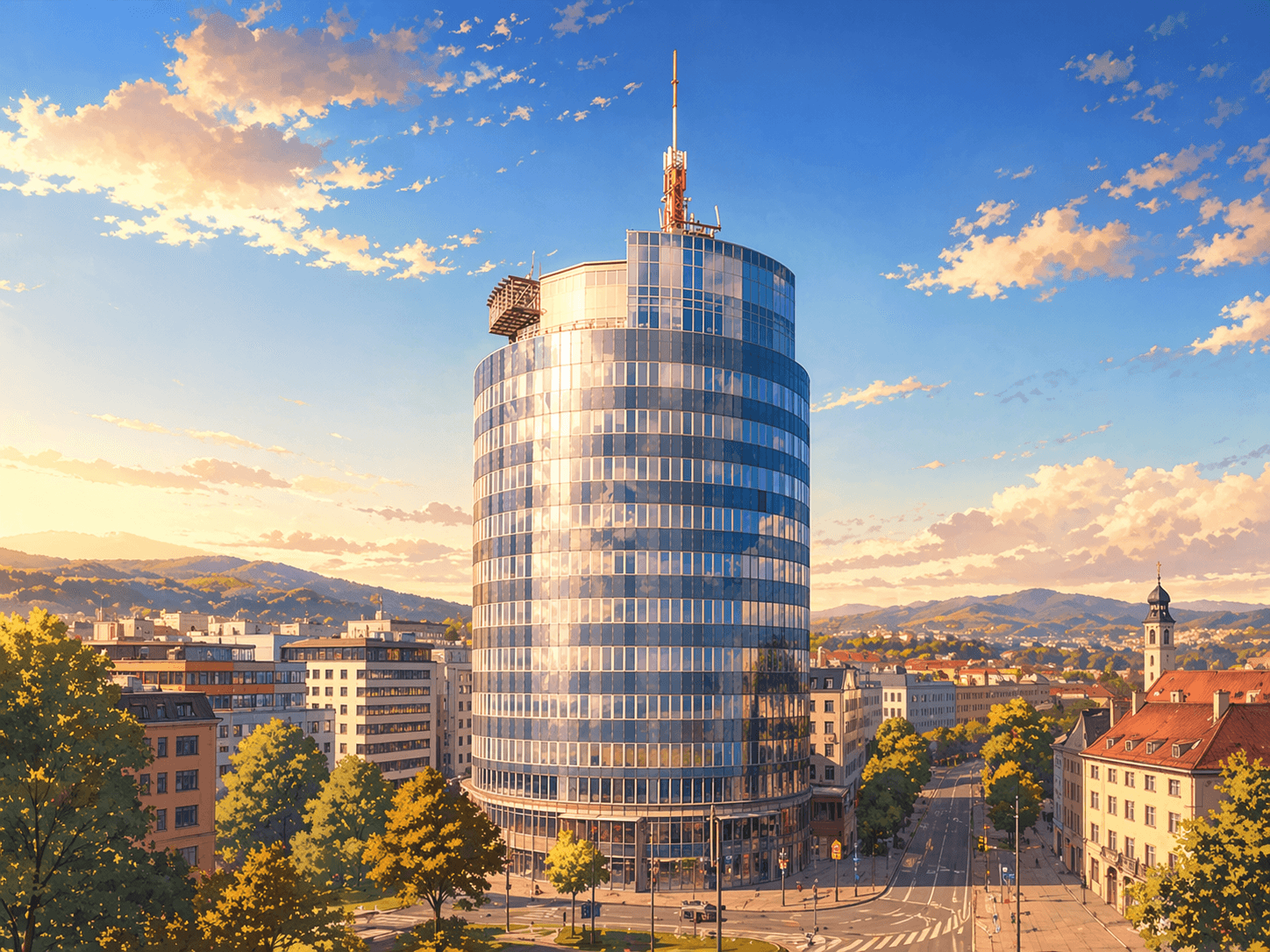
In February 2026, key issues in the area of culture and community were at the center of attention in Jena. From the municipal cultural and marketing enterprise JenaKultur to honorarium contracts at the Adult Education Center – the city is working on a sustainable cultural strategy.
Culture as a Driver for Community in Jena
In a time when cultural participation and social integration are increasingly at the center of political planning, Jena is a vivid example of how cultural policy can act as a bridge between the state, society, and individual engagement. The session program held in Jena in February 2026 shows that the city is not only maintaining its position but actively working on the further development of its cultural profile. With a broad range of measures – from the funding of cultural institutions to the support of sociocultural initiatives – culture is seen as a central driver for identity, the economy, and social cohesion.
JenaKultur: Stability and Future Security Despite Challenges
The municipal cultural and marketing enterprise JenaKultur (JenaKultur) proved to be a financially stable actor in 2024. With a turnover of 6.49 million euros and an annual profit of over 599,000 euros, the city and the enterprise looked back on a positive balance sheet. At the same time, however, risks are becoming apparent that must not be underestimated: personnel costs are rising, inflation is putting pressure on prices, and the uncertainty of the economic situation is affecting planning.
The audit results by KPMG AG confirmed the consistency of the annual financial statement, creating confidence in the manageable economic viability of JenaKultur. Nevertheless, forward-looking work is being done: investments of 795,000 euros, mainly in the Ernst-Abbe Library and the Philharmonie, show that Jena is not only focused on preservation but also on innovation.
Fireworks Reimagined: Safety and Sustainability in Focus
Jena is also setting impulses outside of cultural venues – for example, in the discussion about New Year's fireworks. The city council has decided to offer centralized fireworks displays throughout the city in the future, in order to reduce noise pollution, pollution, and fire risks. Creative alternatives such as laser shows or drone shows are also being considered.
A survey by MDR shows that 61% of people in Central Germany support a ban on private fireworks. Although municipalities are not legally able to impose general bans, they can at least define ban zones. Jena wants to set an example with this measure for responsible celebration and sustainability – a step that aims at both the safety and the future viability of the city.
Personnel Policy and Honorarium Contracts: Adapting to Legal Rulings and the Labor Market
Another topic discussed in the sessions is the transition from honorarium contracts to permanent employment, especially at the Music School. The Herrenberg ruling by the Federal Social Court has clear implications here: honorarium contracts that are considered minor employment must be converted to permanent employment under certain conditions.
The Adult Education Center in Jena, which traditionally only employs honorarium staff, is using a transitional regulation until 2026. At the same time, it is being examined whether and how honorarium contracts can still be used sensibly and in accordance with the law in the future. This shows how Jena in cultural policy not only deals with artistic, but also legal and social challenges.
Sociocultural Activities and Future Visions: Strengthening Community, Promoting Diversity
The discussions about cultural participation and sociocultural offerings show that Jena not only relies on big names but also pays attention to smaller initiatives and projects. The Advisory Board for Sociocultural Activities is working on an updated list of demands, aiming for more visibility, better communication, and stronger inclusion of young people.
Surveys show that satisfaction with cultural offerings in Jena among the population is mixed – especially among younger people, there are wishes for more clubs, open-air events, and diverse bookings. These insights are flowing into the development of the Cultural Concept 2025–2028, which gives Jena a clear direction for the coming years.
Outlook: Culture as a Future-Oriented Element of Urban Development
Jena proves that cultural policy cannot be viewed in isolation, but is closely linked to topics such as sustainability, digitalization, and social cohesion. With projects such as the "Smart Library," the digitalization of business processes, or the use of vacant spaces for cultural purposes, the city is setting impulses that go beyond the cultural field.
In 2026 and beyond, Jena will continue to be a place where culture is not only enjoyed but actively shaped – as part of urban development, as a driver for identity, and as a bridge between generations, cultures, and life concepts.
NeoSearch analyses public council documents, committee minutes and municipal announcements. Source references appear automatically once verified meeting data is available.
What does this mean for businesses?
Municipal council decisions are early indicators: following the council agenda surfaces projects and tenders months before the official award — before they ever reach the procurement portals.
Track similar decisions in your region
Set up monitoring for Culture and Community in Thüringen — prefilled from this article.
Set up monitoring →More signals from Jena
The Bauturbo and the Future of Urban Development in Jena
In April 2026, Jena held crucial meetings on urban development and construction. With the Bauturbo procedure, new urban planning projects, and controversial land-use decisions, the city advanced its long-term development further.
Read more → Jena is Investing in Electric Buses – Climate Protection and Public Transport in Focus
In April 2026, Jena took decisive steps toward climate-neutral urban development. The transition to fully electric buses and the modernization of infrastructure are central topics that are being discussed both politically and socially.
Read more → Mobility in Jena in April 2026: Electrification, Accessibility, and Traffic Planning in Focus
In April 2026, Jena focused on shaping the future of mobility. Numerous meetings, decisions, and planning efforts show how the city is working toward climate protection, inclusivity, and modern traffic infrastructure.
Read more →