Jena in Focus: Monthly Review February 2026
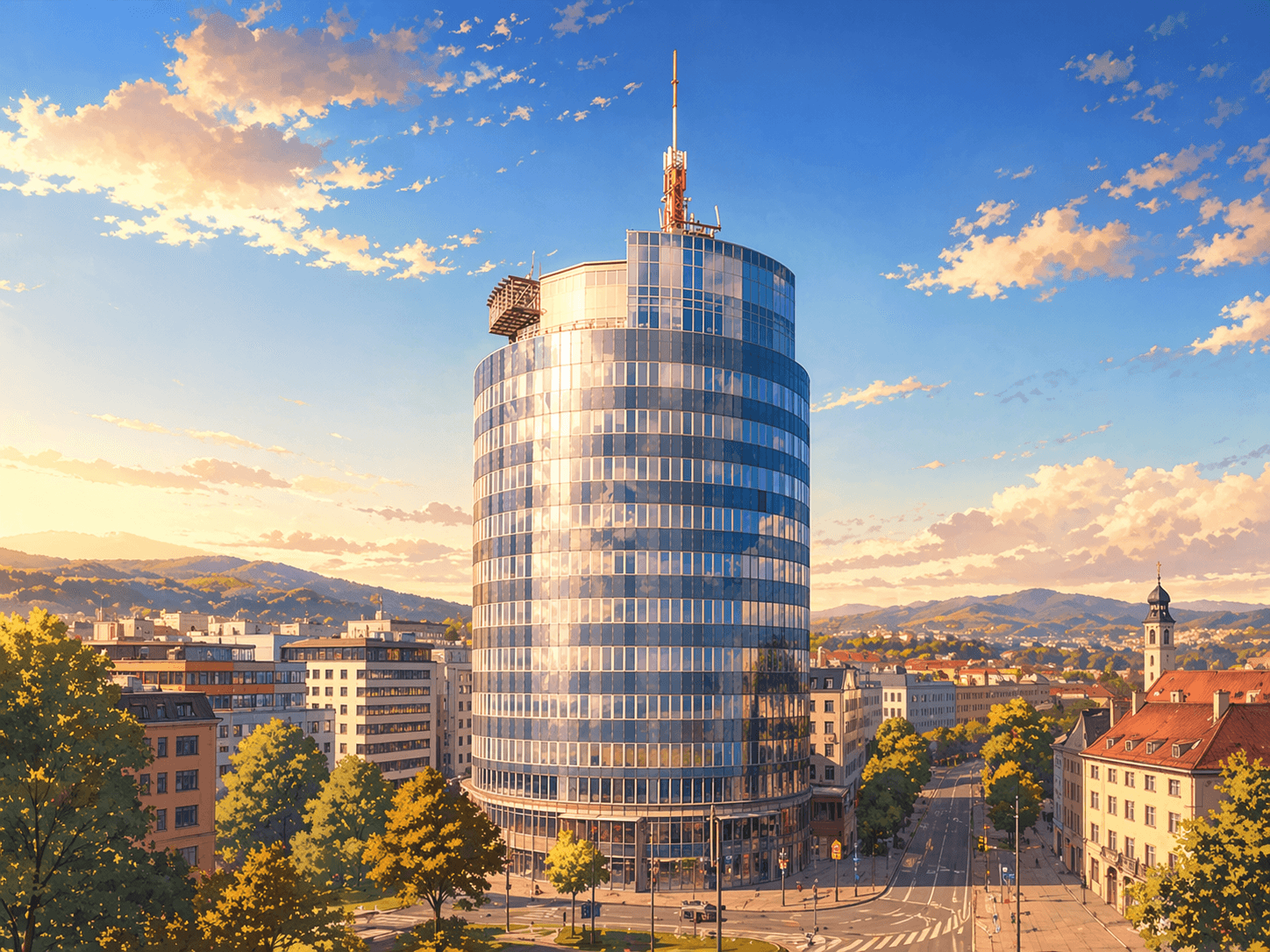
What was important in Jena in February 2026: From funding for the fire department through participation processes to new housing development plans – here is the monthly overview.
From Civic Engagement to Urban Planning – February 2026 in Jena
What was important this month
- Maua generated over 970 euros for the youth conservation organization through the collection of bottle caps.
- New funding for the Jena City Fire Department Association supports youth recruitment.
- The "Bau-Turbo" (§ 36a Building Code) was anchored in Jena – faster construction, if the planning is in place.
- A graffiti removal funding guideline was approved – up to 1,000 euros per year for private properties.
- The Strombilanzkreis (Power Balance Circle) is being examined: How Jena can use and manage electricity more efficiently.
- The Advisory Committee for Sociocultural Affairs is actively involved – also on Instagram with @nachtkultur_jena.
Housing and Urban Development: Bau-Turbo and New Districts
In February 2026, Jena opted for an accelerated construction procedure. With the "Bau-Turbo" under § 36a Building Code, housing projects that meet the land use plan and ensure infrastructure can be approved without a zoning plan. The municipal guideline for this procedure was confirmed, and the Lord Mayor has taken over responsibility for approvals.
In addition, feedback on the "Solar District" and "District 22" projects was presented, and a concept for the interim use of the former VEB Glass Furnace Building is being prepared. Concrete planning questions for the Neuen Frieda 7 were discussed.
These measures show how Jena is actively shaping the future of urban development – with a focus on sustainability, efficiency, and civic participation.
Energy & Climate Protection: Strombilanzkreis and Solar Projects
In the energy sector, Jena focused on innovation in February. The Strombilanzkreis (Power Balance Circle) model is being examined to optimize electricity production and consumption in municipal buildings. A smart electricity management system is planned, in which municipal properties will feed electricity physically into the grid and account for it financially. The operating costs are estimated between 10,000 and 20,000 euros per year.
In addition, a new ground-mounted PV installation at Jägerberg is planned. The existing installation in Ilmnitz (2 MW) will lose its EEG subsidy in 2033 and could use the Strombilanzkreis model in the future. A local electricity tax for consumption within a 4.5 km radius was also discussed – with a rate of 2.05 cents per kWh.
These measures show that Jena is actively thinking and planning for a climate-friendly energy supply.
Civic Participation and Finance: Grants, Citizen Budget, and Budget
In February 2026, there was much discussion about civic participation. The Advisory Committee for Civic Participation dealt with the evaluation of the 2025 Citizen Budget and plans a special session for the analysis. In addition, a citizen question hour took place in Jena-Nord, where development questions were directly addressed to the administration.
Financially, several points were discussed:
- The funding for the removal of illegal graffiti was approved – up to 1,000 euros per year and property from a total funding pool of 100,000 euros.
- The tender directive was revised to allow for clearer performance specifications and more flexible lot division.
- The financial planning for municipal playgrounds remains stable – no underfunding is expected until 2027.
These measures show how Jena involves citizens' opinions and acts financially responsibly.
Cross-Topic: Civic Engagement and Digital Transformation
A central trend in February was the strengthening of civic engagement. Whether through citizen question hours, public information events, or citizen budget initiatives – the city is focusing on transparent communication and active participation. At the same time, digital transformation is being advanced: Several committees are using the software "Sitzungsdienst Session" for documentation, and the council information system is being expanded.
These developments show that Jena is not only politically active, but also future-ready and citizen-oriented.
Conclusion and Outlook
February 2026 was a month of planning, evaluation, and civic participation in Jena. From the implementation of the Bau-Turbo procedure to the evaluation of the Strombilanzkreis – the city is moving toward sustainable and efficient urban development. At the same time, citizen opinions are actively included, and digital progress is being made.
In March, further decisions regarding housing development, climate protection, and the evaluation of the citizen budget are expected. In addition, the funding report for the federal government and the Free State of Thuringia will be available by the end of March – another milestone in transparent city politics.
NeoSearch analyses public council documents, committee minutes and municipal announcements. Source references appear automatically once verified meeting data is available.
What does this mean for businesses?
Urban development, zoning plans and commercial settlements create early construction and supply opportunities. Following council decisions reveals projects before they go to tender.
Track similar decisions in your region
Set up monitoring for economic development in Thüringen — prefilled from this article.
Set up monitoring →More signals from Jena
The Bauturbo and the Future of Urban Development in Jena
In April 2026, Jena held crucial meetings on urban development and construction. With the Bauturbo procedure, new urban planning projects, and controversial land-use decisions, the city advanced its long-term development further.
Read more → Jena is Investing in Electric Buses – Climate Protection and Public Transport in Focus
In April 2026, Jena took decisive steps toward climate-neutral urban development. The transition to fully electric buses and the modernization of infrastructure are central topics that are being discussed both politically and socially.
Read more → Mobility in Jena in April 2026: Electrification, Accessibility, and Traffic Planning in Focus
In April 2026, Jena focused on shaping the future of mobility. Numerous meetings, decisions, and planning efforts show how the city is working toward climate protection, inclusivity, and modern traffic infrastructure.
Read more →