Jena April 2026: Integration, Mobility, and Neighbourhoods in Focus
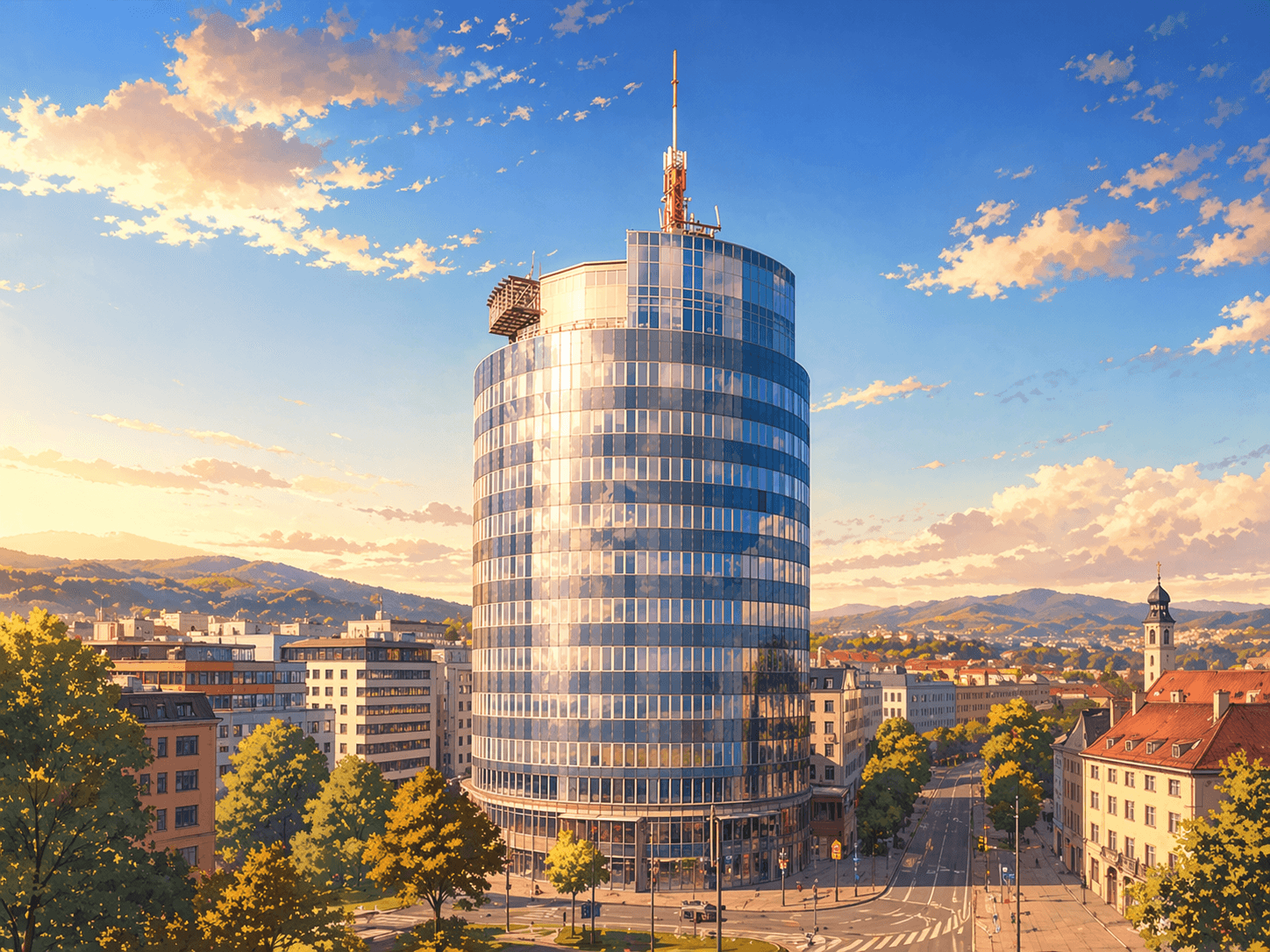
An overview of the most important topics, projects, and decisions in Jena in April 2026 – from model projects for social inclusion to the modernization of the bus fleet.
Strengthening Integration, Redefining Mobility, Connecting Neighbourhoods
What was important this month
- Model project for community-based work launched – more inclusion for people with disabilities
- Jena’s bus fleet will be fully electric by 2026 – promoting climate-friendly mobility
- Ziegenhain receives grants for Maypole setting and street repairs – supporting community life
- New community centre in Winzerla with federal funding – investment in district development
- Graffiti control becomes strategically managed – new working groups and a concept approved
- 3,000 euros in funding for the Wagnergassenfest – supporting culture and creativity
Social Integration and Disability Policy: A Project for Everyone
In April 2026, Jena launched the model project „We are stronger together“, a new milestone in community-based work. The goal is to integrate people with disabilities more fully into daily life in the city. Eight service providers collaborate with a focus on person-centred complex services (PKL). The Alsterdorf Evangelical Foundation is responsible for training, and the city covers the initial costs.
A working group will meet monthly to discuss progress and clarify funding issues. The Mayor signed a framework agreement, and the administration is obligated to publish an annual report. This project is not only a symbol of inclusion but also a step toward a more inclusive and participatory city society.
Redefining Mobility: Fully Electric Buses from 2026
From 2026, Jena will use only fully electric buses – a clear signal for climate protection and clean air. Stadtwerke Jena is required to develop an investment plan that will feed into the medium-term planning process. At the same time, the infrastructure for charging stations is being built, which is associated with costs of around 12 million euros.
The conversion must not result in any cuts to public transport services. This is legally regulated by the Clean Vehicles Directive and the Clean Vehicles Procurement Act. In addition, discussions took place on how to optimise barrier-free bus stops and improve pedestrian access. Jena is showing here how a modern city can combine traffic and the environment.
Strengthening Neighbourhoods: From Maypole Setting to Play Streets
In Jena, a sense of community is a key issue. In April, several measures were approved to promote local life. Ziegenhain received a grant of 1,000 euros for the Maypole setting and also for the repair of Ziegenhainer Straße. In the Winzerla Community Centre, which is funded with 6.84 million euros from federal and municipal funds, the start has been given for a new district development.
In addition, temporary play streets in local areas were discussed. 1,500 euros are available each year to enable signage and planning. Local mayors coordinate with associations and residents. These measures not only strengthen local community life but also improve safety and quality of life in the district.
Graffiti Control: From Working Groups to a Register
Graffiti control is being reorganised strategically in Jena. A multiprofessional working group with the city administration, police, and youth facilities has been set up. A steering group will advise every six months, and a graffiti register is being planned. A cleaning workflow and a priority matrix will help set priorities in the future. A strategic concept has been adopted that clarifies the approach for the future.
These measures show how Jena is trying to deal with vandalism using creative and preventive methods – and at the same time promoting youth creativity within the framework of the law.
Cross-Topic Insights: Urban Development in Transition
In April 2026, it became clear that Jena is undergoing a process of social, ecological, and cultural transformation. The combination of model projects for inclusion, investments in climate-friendly mobility, and the focus on local community work shows how the city is making progress on multiple fronts simultaneously.
An interesting aspect is the balance between innovation and tradition: On the one hand, modern technologies such as electric buses and digital registers are being introduced, while on the other hand, the local charm is preserved through events such as Maypole setting and citizen budget projects. This balance is crucial for a lively, future-proof city.
Conclusion and Outlook
April 2026 was a month with clear action priorities in Jena: strengthening integration, modernising mobility, and connecting neighbourhoods. The approved projects and measures show that Jena is not only investing in the future, but also in the social and cultural foundation that makes a city liveable.
In May it will become clear how these projects will affect the everyday lives of citizens – and whether the first experiences from the model project for community-based work will already show noticeable changes.
NeoSearch analyses public council documents, committee minutes and municipal announcements. Source references appear automatically once verified meeting data is available.
What does this mean for businesses?
Town halls, fire stations, depots and administrative buildings create early construction and refurbishment opportunities. Following council agendas reveals projects before they go to tender.
Track similar decisions in your region
Set up monitoring for public buildings & administration in Thüringen — prefilled from this article.
Set up monitoring →More signals from Jena
The Bauturbo and the Future of Urban Development in Jena
In April 2026, Jena held crucial meetings on urban development and construction. With the Bauturbo procedure, new urban planning projects, and controversial land-use decisions, the city advanced its long-term development further.
Read more → Jena is Investing in Electric Buses – Climate Protection and Public Transport in Focus
In April 2026, Jena took decisive steps toward climate-neutral urban development. The transition to fully electric buses and the modernization of infrastructure are central topics that are being discussed both politically and socially.
Read more → Mobility in Jena in April 2026: Electrification, Accessibility, and Traffic Planning in Focus
In April 2026, Jena focused on shaping the future of mobility. Numerous meetings, decisions, and planning efforts show how the city is working toward climate protection, inclusivity, and modern traffic infrastructure.
Read more →