The Bauturbo and the Future of Urban Development in Jena
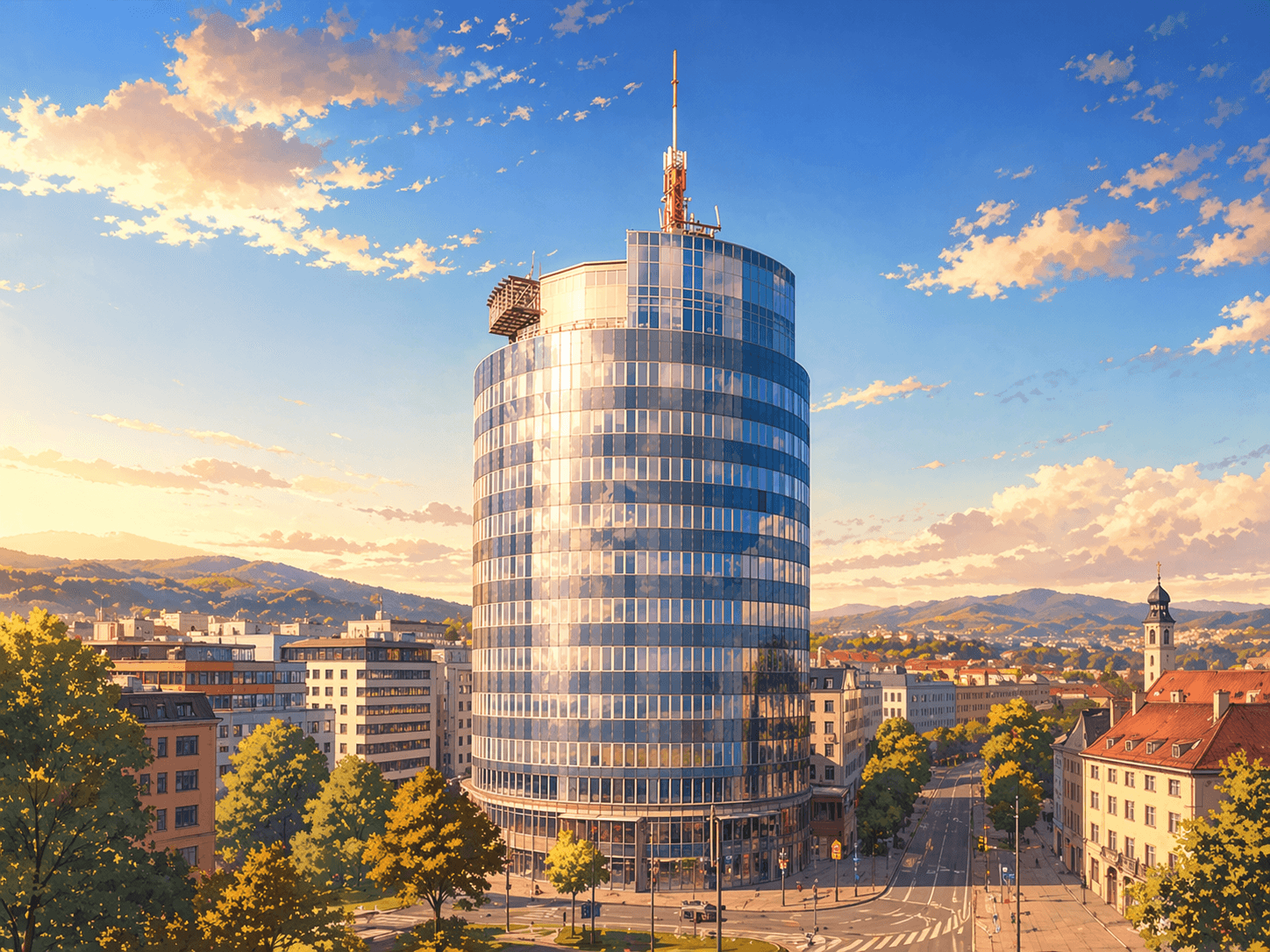
In April 2026, Jena held crucial meetings on urban development and construction. With the Bauturbo procedure, new urban planning projects, and controversial land-use decisions, the city advanced its long-term development further.
The Bauturbo: Accelerating the Urban Development Process
In April 2026, the city of Jena further advanced the implementation of the so-called Bauturbo (building turbo). Based on § 36a of the German Building Code (BauGB), the procedure allows for an accelerated approval of housing projects, particularly in the inner city and on unplanned areas. The goal is to reduce the housing shortage while simultaneously ensuring urban quality and climate protection objectives.
The Mayor has the authority to approve projects with up to 25 residential units or 2,250 m² of living space, provided that they comply with municipal guidelines. These guidelines set clear criteria: Projects must be infrastructure-connected, follow an organic settlement development, and meet minimum social and ecological standards.
At the same time, the Bauturbo is a politically controversial tool. Critics fear that the accelerated approval process could lead to excessive density, especially in green inner-city areas, and could negatively affect the local character in the long term. Moreover, there is debate over whether the one-hectare limit is sufficient to maintain the balance between promoting construction and protecting land.
Bürgerzentrum Winzerla: A Project for the Future
Another central topic was the new construction of the Bürgerzentrum (Citizen Center) in Winzerla. The project, which is to be realized by the end of 2029, is part of Jena’s strategic urban development. With a total volume of 6.84 million euros, of which 2.28 million are from the municipal share, the city is investing in sustainability and social integration.
The building will be equipped with geothermal heating, photovoltaics, and green roofs, and will be located in close proximity to the water axis and public transport. In addition, it will function as an urban architectural landmark in the southern part of Winzerla – a clear response to the demand for more public spaces in the district.
However, the project has not only met with approval. Critics point to the tree felling and land consumption, even though replacement planting is planned. Public participation is a central issue – residents’ assemblies and associations have had an influence on the planning process, which is to be viewed positively.
Climate Protection and Urban Development: A Connection that Counts
Urban development in Jena can no longer be imagined without climate protection. The city’s Climate Action Plan aims for climate neutrality by 2035 – and urban development is a key lever for achieving this. In the Bauturbo procedure, criteria for climate adaptation are embedded: from heat protection through stormwater management to sponge city concepts.
Another milestone was the planning for the electrification of the bus fleet. By 2030, all city buses are to be converted to fully electric engines. The city plans to begin setting up a charging infrastructure as of 2026, which will require investments in the high seven-figure range. A critical issue is the limited financial flexibility, especially at a time when the protection of public transport services is also under pressure.
Graffiti Management: From Problem to Opportunity
An unexpected topic that gained more prominence in Jena in April 2026 was graffiti management. The city wants to counteract illegal graffiti, but also create legal space for expression. With an integrated concept combining prevention, education, and repression, Jena aims to establish a new approach to street art.
The concept includes, among other things, a graffiti homepage, walls of fame, and public involvement in the search for legal spray areas. Financial support for cleaning work on private properties is also planned. An interim report on the effectiveness of the concept is planned for 2027.
Conclusion: Jena in Transition – Between Acceleration and Sustainability
The developments in April 2026 show that Jena is actively shaping its urban future. The Bauturbo is a central lever to relieve the housing market, but it is also a political experiment that must be tested in practice. At the same time, it becomes clear that climate protection and sustainability are no longer marginal issues – they are part of the urban development DNA.
The challenge remains: How can Jena grow without destroying itself? How can it preserve its identity without stifling innovation? These questions will be crucial in the coming years – and Jena has begun to find answers.
NeoSearch analyses public council documents, committee minutes and municipal announcements. Source references appear automatically once verified meeting data is available.
What does this mean for businesses?
Urban development, zoning plans and commercial settlements create early construction and supply opportunities. Following council decisions reveals projects before they go to tender.
Track similar decisions in your region
Set up monitoring for economic development in Thüringen — prefilled from this article.
Set up monitoring →More signals from Jena
Jena is Investing in Electric Buses – Climate Protection and Public Transport in Focus
In April 2026, Jena took decisive steps toward climate-neutral urban development. The transition to fully electric buses and the modernization of infrastructure are central topics that are being discussed both politically and socially.
Read more → Mobility in Jena in April 2026: Electrification, Accessibility, and Traffic Planning in Focus
In April 2026, Jena focused on shaping the future of mobility. Numerous meetings, decisions, and planning efforts show how the city is working toward climate protection, inclusivity, and modern traffic infrastructure.
Read more → Governance in Jena: Transparent Decisions, Citizen Participation, and Administrative Concepts in April 2026
In April 2026, the city of Jena set benchmarks in governance: committee structures, citizen participation, graffiti management, and financial planning were in focus. This blog analyses the most important decisions and processes in the field of governance and administration.
Read more →