Jena 2026: Urban Development in Focus – Construction, Climate and Design
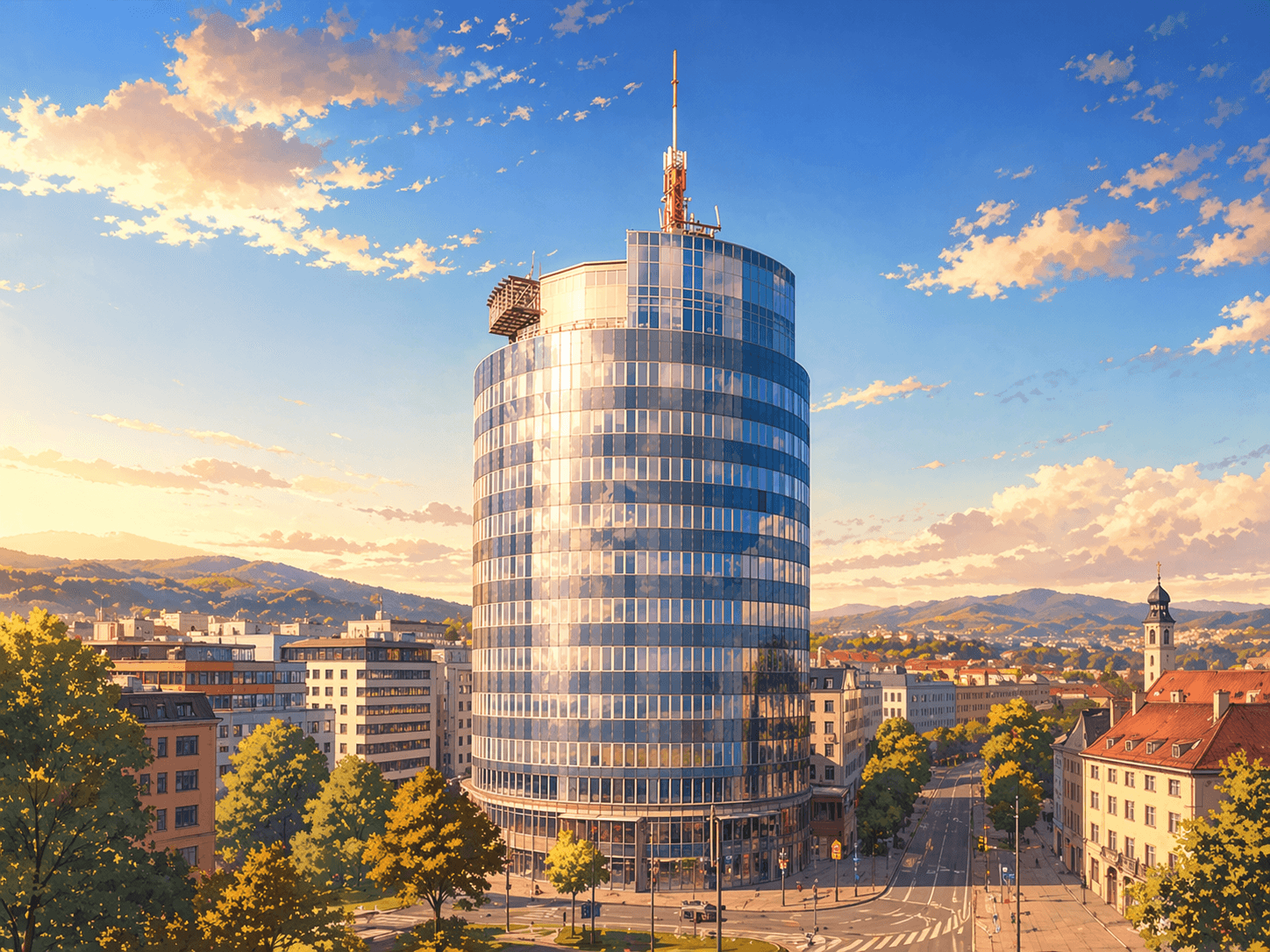
In February 2026, key meetings on urban development and construction planning were central to Jena’s agenda. From the "Bauturbo" procedure through climate protection to the fight against illegal graffiti – the city is relying on practical and sustainable solutions.
Helping Housing Development: The "Bauturbo" in Jena
In February 2026, Jena made key decisions to combat the housing shortage. With the introduction of the so-called "Bauturbo" procedure under § 36a of the German Building Code (BauGB), the approval process for housing projects is significantly accelerated. In the future, housing projects can be approved without a zoning plan, provided they meet urban development goals and sustainability criteria.
The regulations allow, for example, a 20% exceedance of the GRZ (floor area ratio) and GFZ (number of floors) as well as an additional floor. At the same time, clear prerequisites remain in place: Projects must start within one year of receiving the building permit and be completed within three years. The City Council has a clear approval obligation for larger projects, with a presumed approval if the deadline passes without active rejection.
These measures aim to relieve the housing market without compromising urban development quality or ecological standards. At the same time, the city is focusing on inner-city development and densification to avoid suburban sprawl.
Climate Protection and Energy: Power Balance Circle Model as a Pilot Project
In the field of climate protection and energy, Jena has launched another project: the so-called power balance circle model. It enables the settlement of surplus electricity between producers and consumers. Particularly for buildings with photovoltaic systems, such as schools or daycare centers, the model offers advantages through green electricity, origin certificates, and TÜV certification.
Implementation is planned for 2028, with costs of approximately 10,000–20,000 € per year. At the same time, the goal of climate neutrality by 2035 remains in focus, also reflected in ongoing climate action plans and the city's climate strategy. Solar priority areas and the Sponge City concept are key components of the city's sustainability strategy.
Graffiti Prevention: Support and Prevention in the Public Space
The design of the public space was also in focus. Jena has adopted a new funding guideline to combat illegal graffiti. Private property owners can receive up to 50% of the costs (maximum 1,000 € per property per year) reimbursed, provided they file a criminal complaint and remove the graffiti promptly. A funding pool of 100,000 € from own resources has been set aside for this purpose.
The city also supports preventive measures, such as the design of legal artist areas, to channel creative energy into legal channels. In the district of Jena-West, which is heavily affected by graffiti, the graffiti fund is actively used. In the long term, the program aims to make the public space cleaner and more vibrant – through culture, education, and civic engagement.
Preparing for the Future: Land Use and City Visions
Jena is working on the revision of the land use plan 2005 and plans to develop a housing land concept by 2035. The focus is on criterion-based land allocation to ensure a fair and sustainable distribution of urban construction land.
In addition, housing policy is linked to the climate strategy, with solar priority areas and green roofs being central elements. With the goal of achieving climate neutrality by 2035, Jena is relying on a holistic model that closely connects urban development, energy policy, and climate protection.
Conclusion: Jena as a Model City for Sustainable Development
The decisions made in February 2026 show that Jena is actively committed to sustainable and future-oriented urban development. With the "Bauturbo," the power balance circle model, and the funding for combating graffiti, the city has launched a broad range of measures – from accelerating housing construction to shaping the public space.
The challenges are great, but the strategy is clear: create housing, protect the climate, and design the public space – all in a city that sees itself as a model for urban sustainability.
NeoSearch analyses public council documents, committee minutes and municipal announcements. Source references appear automatically once verified meeting data is available.
What does this mean for businesses?
Municipal council decisions are early indicators: following the council agenda surfaces projects and tenders months before the official award — before they ever reach the procurement portals.
Track similar decisions in your region
Set up monitoring for kommunale Projekte in Thüringen — prefilled from this article.
Set up monitoring →More signals from Jena
The Bauturbo and the Future of Urban Development in Jena
In April 2026, Jena held crucial meetings on urban development and construction. With the Bauturbo procedure, new urban planning projects, and controversial land-use decisions, the city advanced its long-term development further.
Read more → Jena is Investing in Electric Buses – Climate Protection and Public Transport in Focus
In April 2026, Jena took decisive steps toward climate-neutral urban development. The transition to fully electric buses and the modernization of infrastructure are central topics that are being discussed both politically and socially.
Read more → Mobility in Jena in April 2026: Electrification, Accessibility, and Traffic Planning in Focus
In April 2026, Jena focused on shaping the future of mobility. Numerous meetings, decisions, and planning efforts show how the city is working toward climate protection, inclusivity, and modern traffic infrastructure.
Read more →