Economic Boost for Lübeck: Belt Crossing, Energy Cooperation, and Land Policy in April 2026
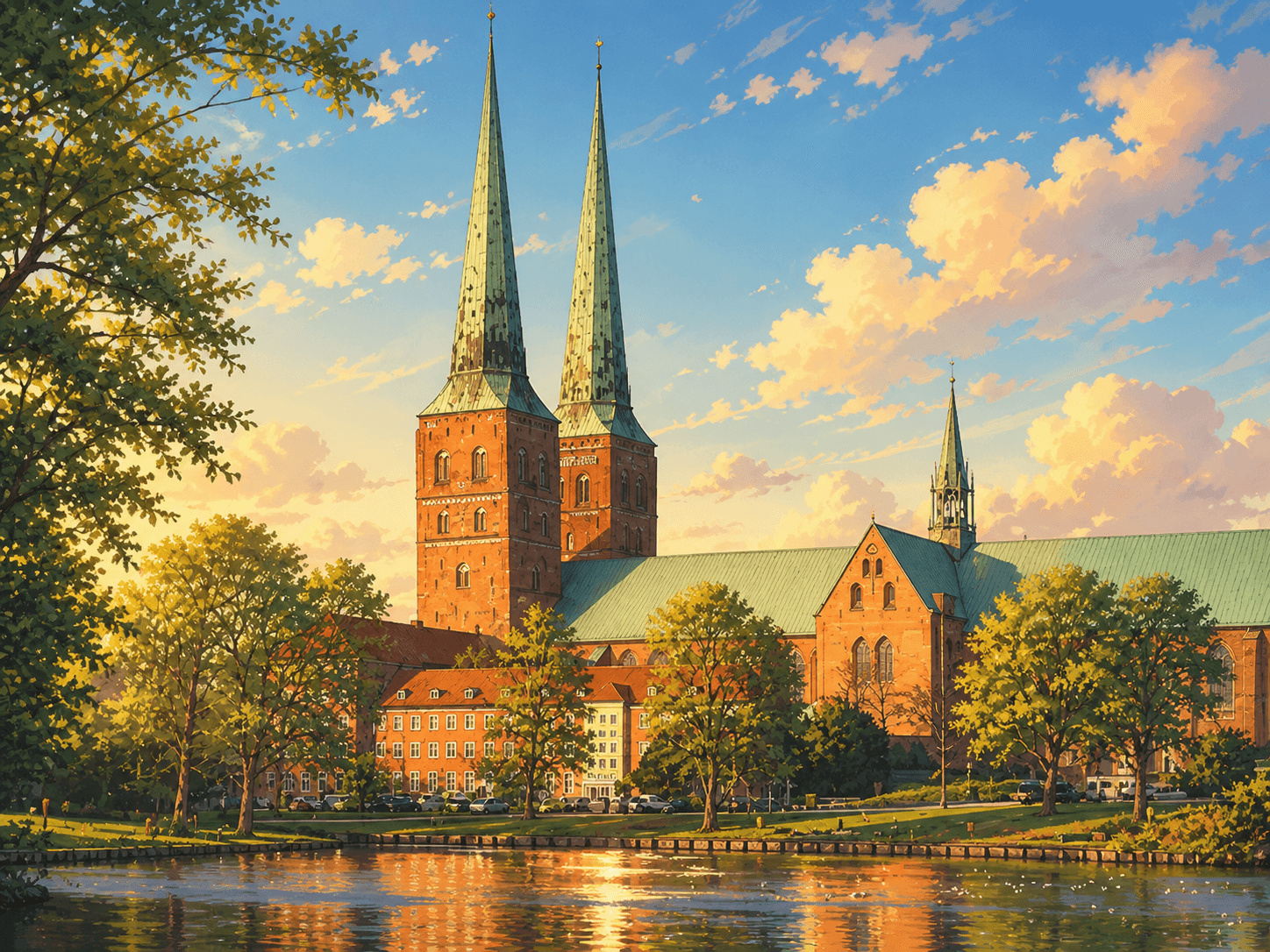
In April 2026, Lübeck set economic impulses: The Fixed Fehmarn Belt Crossing was discussed as a central growth engine, energy cooperation with Denmark was deepened, and a centrally located plot of land was secured for the future.
Economic Development in Lübeck: Belt Crossing, Energy, and Land Policy
April 2026 was a showcase of economic momentum in Lübeck. In the 24th meeting of the Economic Committee and the Committee for the Travemünde Spa Business, central topics such as the Fixed Fehmarn Belt Crossing (FFQ), energy cooperation, and the extension of hereditary lease rights were addressed. These decisions demonstrate how the Hanseatic city is shaping its economic future.
The Fixed Fehmarn Belt Crossing as a Growth Driver
The Fixed Fehmarn Belt Crossing (FFQ) took center stage in the April session. It is not only seen as a transport hub, but also as a strategic economic and energy hub. In particular, energy supply benefits: Bürger Energie Lübeck e.G. has entered into a cooperation with the Danish island of Lolland. Once the FFQ is completed, Lübeck will be able to import electricity from renewable sources in Denmark – a step supported by the EU's Interreg program.
This cooperation sends an important signal for cross-border energy policy. According to EU law, energy cooperatives like Bürger Energie Lübeck e.G. can enter into such partnerships, while municipalities, due to legal restrictions, are not allowed to invest directly in such projects. Nevertheless, the city benefits indirectly, as local businesses and households profit from a stabilized and climate-friendly electricity supply.
Land Policy: Security for Investors
Another important topic was the extension of a hereditary lease right at Beim Stadthof 34 in Lübeck. The lease will be extended for 40 years, offering investors security for long-term planning. The annual hereditary lease fee is 4,394.31 EUR, which corresponds to 2% of the land value. The costs for land transfer tax, infrastructure development, and connection charges are borne by the leaseholder, thus minimizing the city's financial responsibility.
The extension of the hereditary lease was unanimously approved and demonstrates how Lübeck uses land policy as an instrument to stabilize its investment location. The lease fee is tied to the Consumer Price Index (CPI) and includes a value preservation clause. In addition, the fee is capped at 8,788.62 EUR per year, providing investors with financial planning security.
Economic Impulses through Political Cooperation
The meeting on April 13, 2026 was marked by broad political support. Committee Chairwoman Heike Stegemann (FDP) chaired the session, and representatives from all major parties were present – from the SPD to the AfD. This shows that economic issues in Lübeck are perceived as a common challenge across party political differences.
The political unity in the extension of the hereditary lease and the support for the FFQ strategy underlines the stability of the economic framework in the Hanseatic city. In addition, the current economic development in the region was discussed in detail, indicating a stronger awareness of local economic strategies.
Outlook: Lübeck's Growing Role in the Region
Lübeck is increasingly positioning itself as a hub between the North and Baltic Seas. The Fixed Fehmarn Belt Crossing will not only affect traffic, but also the economy and energy supply. With the cooperation with Denmark and the securing of investment plots, the city shows that it is actively working on the future of the region.
In the coming months, it will be interesting to observe how these impulses affect jobs, investments, and the local economy. Lübeck is betting on networking, planning security, and sustainable energy – three pillars on which the economic future of the Hanseatic city could rest.
NeoSearch analyses public council documents, committee minutes and municipal announcements. Source references appear automatically once verified meeting data is available.
What does this mean for businesses?
Urban development, zoning plans and commercial settlements create early construction and supply opportunities. Following council decisions reveals projects before they go to tender.
Track similar decisions in your region
Set up monitoring for economic development in Schleswig-Holstein — prefilled from this article.
Set up monitoring →More signals from Luebeck
Culture and Community in Lübeck: Outlook for April 2026
In April 2026, Lübeck will be focusing on its cultural outlook. Numerous museums and cultural projects shape the cityscape, while decisions on heritage protection, funding, and educational programs are being made. An overview of the most important developments.
Read more → Lübeck's Urban Development 2026: Where Urban Planning, Climate and Mobility Converge
In April 2026, important decisions on urban development were at the center of attention in Lübeck. From the redesign of Mühlentorplatz through the zoning plan for Moisling to the preservation of green spaces and the future of the Lümo night-time transport: The city's planning shows how closely traffic, infrastructure, climate protection and financial feasibility are interwoven.
Read more → Education in Motion: Lübeck Expands Full-Day Support and Infrastructure
In April 2026, Lübeck took decisive steps toward modern educational policy. The expansion of full-day support, new school locations, and climate-friendly construction projects show how the Hanseatic city is reshaping its educational landscape.
Read more →