Lübeck Prioritizes Climate Protection: Energy Agency, Renaturation, and Adaptation Strategies in Focus
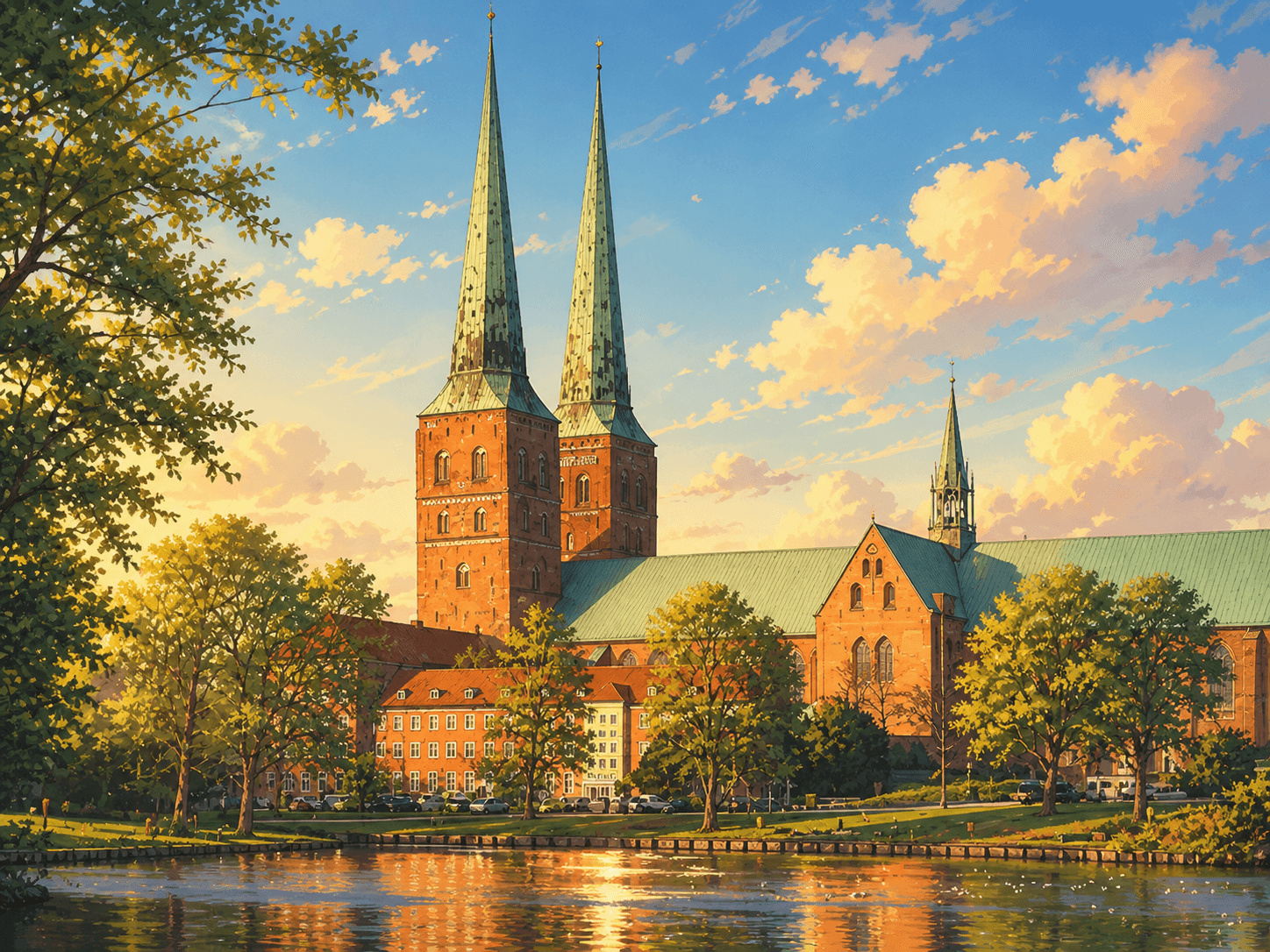
In the Hanseatic city of Lübeck, environmental and climate policy has made significant progress in the first weeks of 2026. The establishment of a municipal energy agency, pilot projects for renaturation, and a comprehensive adaptation strategy to climate change form the central pillars of the political strategy. In this blog article, we analyze the most important decisions and their implications.
Climate Neutrality: The Energy Agency as a Central Approach
Lübeck has taken a major step on the path to climate neutrality with the establishment of a municipal energy agency. Designed as a "one-stop agency," the agency aims to support both citizens and businesses with advice, information events, and guidance on funding. Particularly in the energy transition in the heating sector, which is considered a key lever for reducing greenhouse gases, the city sees great potential.
The energy agency is a collaborative project involving several partners: the municipal utility company, the economic development agency, Klima pro Lübeck, universities, and citizen energy cooperatives. With a planning period until July 2025, the project is ambitious, and a concrete concept for funding and staffing is being developed. A special feature is that the energy agency can be expanded to neighboring municipalities as needed, positioning Lübeck as a regional pioneer.
Climate Protection Strategies: Monitoring and Measures in Focus
The Climate Protection Master Plan (MAKS) remains a central instrument for the city. The 2025 monitoring report presented shows that emissions have slightly decreased, but the targets for halving greenhouse gases by 2030 have not yet been met. The city plans to streamline and make climate protection campaigns more effective, taking into account financial constraints in the budget.
A notable point of contention was the continuation of the "Open Construction Site" initiative. Some factions viewed it as superfluous, while others considered it essential for public participation. Ultimately, it was retained but in a new form. At the same time, the heating transition will continue to be advanced, with a focus on municipal heat planning and the expansion of renewable energy sources.
Nature Conservation: Renaturation and Biodiversity in the Foreground
Nature conservation plays a central role in Lübeck's environmental and climate policy. With the water maintenance plan for the Wakenitz and its tributaries, the city aims to strengthen biodiversity and protect endangered species. Pilot projects such as reed planting along the Wakenitz, the renaturation of the Niemarker Landgraben, and the reduction of pollutant inputs are milestones in this effort.
Another important project is the introduction of a permanent monitoring system for flora and fauna in the nature reserve. This aims to establish long-term observations to detect changes in nature at an early stage. The funding for such measures is supported by state and federal funds, which alleviates the municipal budget.
Climate Adaptation: Heavy Rain, Heat, and Flooding
Lübeck has begun actively preparing for the impacts of climate change. A climate adaptation strategy is in development, and the heavy rain portal, which provides hazard warnings and behavioral recommendations for citizens, is already a central tool. Equally important is the heat portal, which suggests protective measures for risk groups such as the elderly and young children.
Another focus is adaptation to rising sea levels and Baltic Sea flooding. As a coastal city, Lübeck is particularly vulnerable and must develop long-term strategies to mitigate flood damage. Green roof incentives and water-sensitive urban development are key components in this context.
Conclusion: Lübeck as a Model for Sustainable Climate Policy
The Hanseatic city of Lübeck has drawn a clear line in its climate and environmental policy in the first weeks of 2026. With the establishment of the energy agency, the renaturation of water bodies, and the development of adaptation strategies, the city demonstrates how a municipality can actively engage in climate protection. The political debates, however, also show that not all actors prioritize sustainability equally – a process that may slow progress but also fosters transparency and public discussion.
In the coming months, it will be particularly important to implement the planned measures and actively involve citizens. Only with broad support and clear goals can Lübeck successfully achieve its ambition of becoming climate-neutral by 2035.
NeoSearch analyses public council documents, committee minutes and municipal announcements. Source references appear automatically once verified meeting data is available.
What does this mean for businesses?
Municipal heat planning, photovoltaics and climate measures create early project indicators. Following council decisions surfaces sites and tenders before they are publicly advertised.
Track similar decisions in your region
Set up monitoring for environment & climate in Schleswig-Holstein — prefilled from this article.
Set up monitoring →More signals from Luebeck
Economic Boost for Lübeck: Belt Crossing, Energy Cooperation, and Land Policy in April 2026
In April 2026, Lübeck set economic impulses: The Fixed Fehmarn Belt Crossing was discussed as a central growth engine, energy cooperation with Denmark was deepened, and a centrally located plot of land was secured for the future.
Read more → Culture and Community in Lübeck: Outlook for April 2026
In April 2026, Lübeck will be focusing on its cultural outlook. Numerous museums and cultural projects shape the cityscape, while decisions on heritage protection, funding, and educational programs are being made. An overview of the most important developments.
Read more → Lübeck's Urban Development 2026: Where Urban Planning, Climate and Mobility Converge
In April 2026, important decisions on urban development were at the center of attention in Lübeck. From the redesign of Mühlentorplatz through the zoning plan for Moisling to the preservation of green spaces and the future of the Lümo night-time transport: The city's planning shows how closely traffic, infrastructure, climate protection and financial feasibility are interwoven.
Read more →