Lübeck in Focus: Social Policy and Housing Policy in February 2026
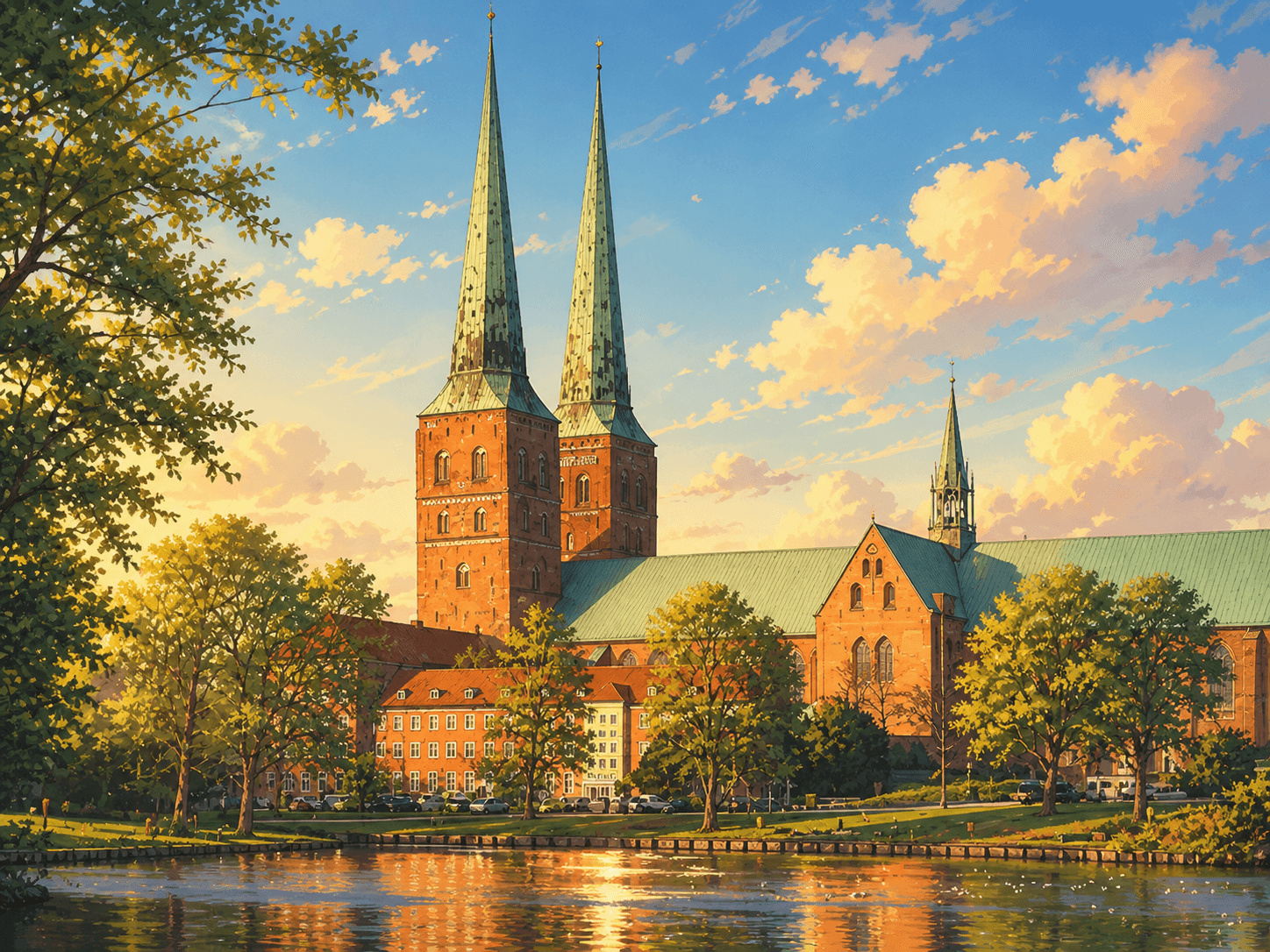
In February 2026, Lübeck made important decisions in the areas of social policy and housing policy. From the digitalization of the social economy to the renovation of the Heiligen-Geist Hospital – an analysis of the central developments.
Social Policy and Housing Policy in Lübeck: Central Developments in February 2026
In February 2026, Lübeck engaged intensively with social challenges and the future of urban housing planning. The topics ranged from the digitalization of social processes to the provision of barrier-free housing and the renovation of historic care facilities. In a month in which the city was active both at the administrative level and in public participation, several key decisions emerged.
Digitalization as a Key Issue in the Social Economy
Digitalization in the social economy is a central project in Lübeck, aimed at increasing efficiency and transparency in the social sector. For example, the housing allowance office has already digitally processed 15–20% of applications and plans to increase this share further. At the same time, an online portal called "Sozialkompass" is being developed to make social statistics and explanations accessible to the public.
Nevertheless, challenges remain: Staff shortages, software problems, and legal uncertainties are hindering progress. Therefore, the reorganization of work processes, which has been ongoing since July 2025, is a crucial milestone. The goal is to create long-term stability and efficiency in administration.
Barrier-free Housing: Demand is Rising, Supply is Lagging
The demand for barrier-free housing, especially for wheelchair users, is increasing significantly in Lübeck. However, the supply is not yet meeting these expectations. TRAVE mbH is currently focusing on low-barrier housing in new construction and renovation, but in practice, this does not always meet the needs of the target group. As a result, the advisory board for people with disabilities has increased pressure to make the exact distribution mechanisms and allocation processes for barrier-free housing more transparent.
The city also plans to develop a potential map of the housing market that shows possible areas for barrier-free housing forms. The focus on densification, redevelopment, and expansion is a step in the right direction – although implementation often remains lengthy due to financial and logistical bottlenecks.
Renovation of the Heiligen-Geist Hospital: Securing the Future in the Care Sector
Another central topic is the renovation of the Heiligen-Geist Hospital. The facility, which serves as an old people's and care home, will be operated permanently – at least for 40 years. The intake stop has been lifted, and a minimum of 60 places is secured.
The renovation plan includes fire protection measures, increased energy efficiency, and the installation of bathrooms in each room. However, the foundation responsible for financing the building cannot manage the renovation alone. Therefore, a market-oriented lease model that is compatible with the foundation's purposes is being examined. This decision is of great importance for the future of care in Lübeck and shows how sensitive the transition between non-profit and market-based financing must be designed.
Senior Policy: From Events to Intergenerational Living
In February 2026, it also became clear how strongly Lübeck is focusing on the interests of seniors. The Senior Advisory Board organized events to combat age discrimination and invited guests to fashion shows and dialogue events. In addition, the first meeting of the working group "Living in Old Age" was discussed, which deals with barrier-free housing forms and shared housing.
Another exciting aspect is intergenerational housing policy. It is being examined whether the Student Housing Organization could play a role in this context. The involvement of seniors in committees and working groups also shows that they are not only seen as users but also as active shapers of urban life.
Outlook: Challenges and Opportunities
The developments in February 2026 show that Lübeck is actively addressing the social and housing policy challenges of the future. At the same time, administrative bottlenecks, financial uncertainties, and the need to combine digital and analog processes remain. However, the city is moving along a clear course shaped by climate protection, barrier-free housing, and intergenerational policy.
It will therefore be exciting in March 2026 to observe how the planned projects – such as the renovation of the Heiligen-Geist Hospital or the digitalization of the social economy – will specifically develop further and whether the political guidelines can be sustainably implemented in practice.
NeoSearch analyses public council documents, committee minutes and municipal announcements. Source references appear automatically once verified meeting data is available.
What does this mean for businesses?
Schools, daycare centres and public buildings create early planning and construction opportunities. Following council agendas surfaces tenders for refurbishment, new builds and fit-out months before the official award — from shell construction to specialist planning to furnishing.
Track similar decisions in your region
Set up monitoring for education & public facilities in Schleswig-Holstein — prefilled from this article.
Set up monitoring →More signals from Luebeck
Economic Boost for Lübeck: Belt Crossing, Energy Cooperation, and Land Policy in April 2026
In April 2026, Lübeck set economic impulses: The Fixed Fehmarn Belt Crossing was discussed as a central growth engine, energy cooperation with Denmark was deepened, and a centrally located plot of land was secured for the future.
Read more → Culture and Community in Lübeck: Outlook for April 2026
In April 2026, Lübeck will be focusing on its cultural outlook. Numerous museums and cultural projects shape the cityscape, while decisions on heritage protection, funding, and educational programs are being made. An overview of the most important developments.
Read more → Lübeck's Urban Development 2026: Where Urban Planning, Climate and Mobility Converge
In April 2026, important decisions on urban development were at the center of attention in Lübeck. From the redesign of Mühlentorplatz through the zoning plan for Moisling to the preservation of green spaces and the future of the Lümo night-time transport: The city's planning shows how closely traffic, infrastructure, climate protection and financial feasibility are interwoven.
Read more →