Lübeck April 2026 – Climate, Education and Infrastructure in Focus
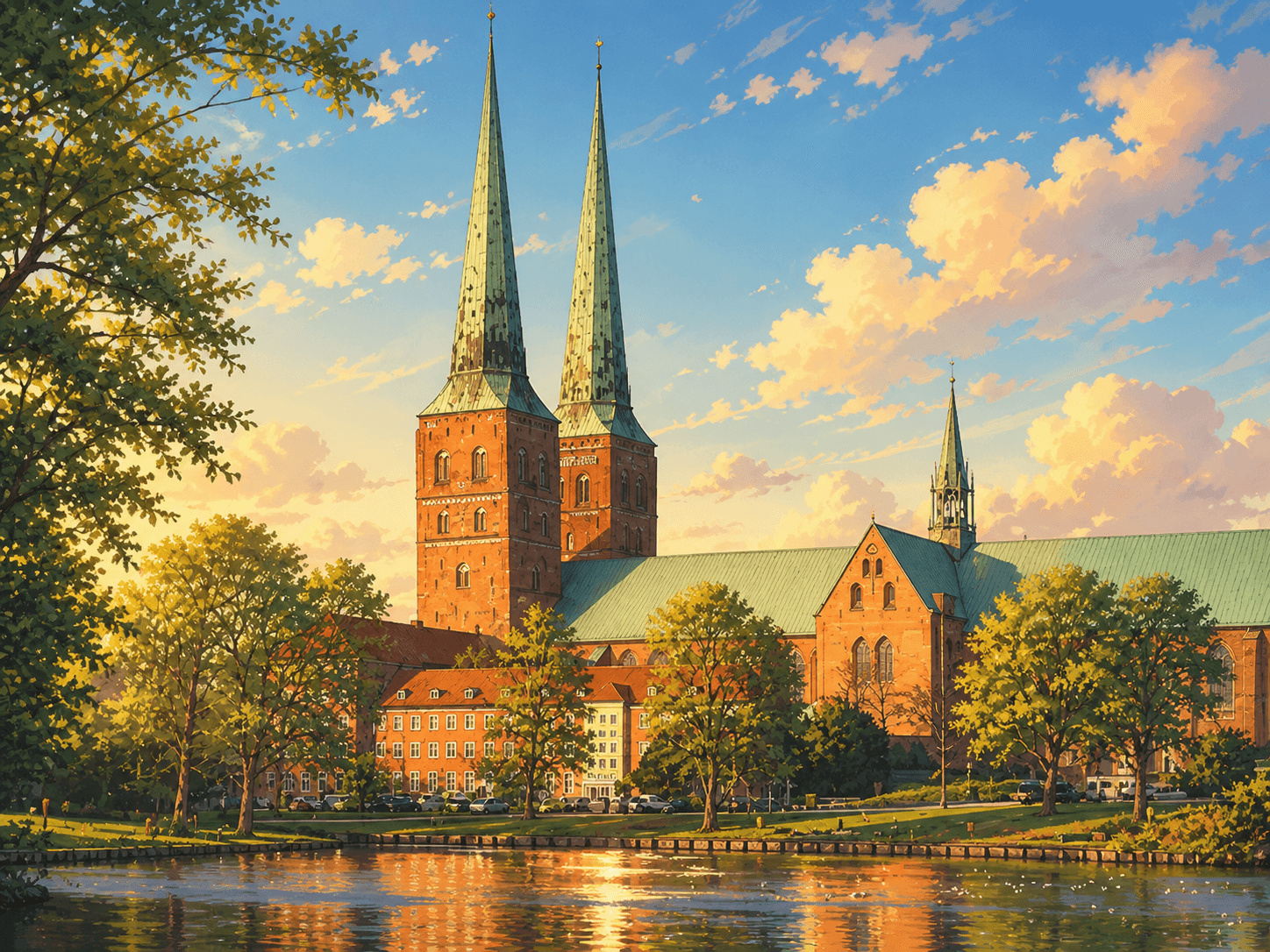
In April 2026, Lübeck made important decisions in the areas of climate protection, educational expansion and urban infrastructure. Here is an overview of the key developments of the month.
Climate, Education and Infrastructure in Focus
What was important this month:
- The Masterplan Klimaschutz (MAKS) was further developed, with a first Monitoring Report and concrete measures towards climate neutrality by 2045.
- A new Gymnasium in Moisling was requested to meet the increasing demand for educational places.
- The construction of Fire Station 2 with an integrated control center was approved to improve emergency logistics.
- The implementation of after-school support at schools was carried out, with clear financing regulations and parental contributions.
- The renovation of city roads and the maintenance of the transport infrastructure were planned in the millions.
Climate Protection and Sustainability on Track
In April 2026, the first Monitoring Report for the Masterplan Klimaschutz (MAKS) was presented. This report gives an overview of the implementation of climate protection goals and identifies measures that need to be implemented by 2030 and 2045. Particularly noteworthy is the establishment of an Energy and Climate Agency, which will serve as a central contact point for climate protection measures.
In addition, it was decided to ban the installation of traditional gas boilers from June 2026, marking a milestone in the energy transition. The road resurfacing strategy with a financial requirement of 12 million euros starting in 2027 is another signal of investment in climate-friendly infrastructure.
Educational Expansion and School Development
The establishment of an 8th Gymnasium in Moisling was requested and will be set up as a two-track Gymnasium with grades 5 to 10 starting in the 2028/29 school year. This project is part of the response to the increasing demand for educational places in the city. In addition, it was decided to extend budget agreements for after-school support until 2027, to ensure planning security for families and providers.
In April, an application for the revision of school enrollment forms was also submitted, to provide parents with more transparency and simplification. In addition, the financial guidelines for the 2027/28 school year were presented in the Youth Welfare Committee, which will be adjusted to state legal requirements.
Infrastructure and Transport Development
In the Building Committee, several important projects were approved. The construction of Fire Station 2 with an integrated control center is a central point to optimize emergency logistics in the city. Likewise, road resurfacing projects for 2026 were approved and a maintenance plan for the transport infrastructure was adopted.
In the area of parking space management, an application was submitted that deals with the expansion and optimization of the parking space offer. In addition, concrete proposals for the creation of safe bicycle traffic in Travemünde were discussed and approved. Overall, in April, investments in infrastructure and traffic safety were central.
Overview of Current Developments
In April 2026, Lübeck showed itself as a city actively committed to climate protection, education and modern infrastructure. The approved measures not only reflect the priorities of the citizens, but also the need to respond to changed social and ecological challenges. Particularly the combination of investments in education, climate protection and traffic safety underlines the strategic orientation of urban development.
In addition, the exchange between politics, administration and citizens is a central part of the decision-making process. Whether in the development of funding models for after-school support or in the consultation on the expansion of the Gymnasium offer – the participation of the population and transparent communication are crucial for the success of the projects.
Conclusion – Outlook for May 2026
April 2026 was a decision-making month in Lübeck. Climate protection, educational expansion and infrastructure development were at the center. The approved measures are not only symbolic, but have concrete impacts on the lives of Lübeck residents.
In the coming weeks and months, it will mainly be about the implementation of the approved projects. The establishment of the Energy and Climate Agency, the further development of schools and the renovation of the transport infrastructure are just a few examples of forward-looking policies in Lübeck.
NeoSearch analyses public council documents, committee minutes and municipal announcements. Source references appear automatically once verified meeting data is available.
What does this mean for businesses?
Schools, daycare centres and public buildings create early planning and construction opportunities. Following council agendas surfaces tenders for refurbishment, new builds and fit-out months before the official award — from shell construction to specialist planning to furnishing.
Track similar decisions in your region
Set up monitoring for education & public facilities in Schleswig-Holstein — prefilled from this article.
Set up monitoring →More signals from Luebeck
Economic Boost for Lübeck: Belt Crossing, Energy Cooperation, and Land Policy in April 2026
In April 2026, Lübeck set economic impulses: The Fixed Fehmarn Belt Crossing was discussed as a central growth engine, energy cooperation with Denmark was deepened, and a centrally located plot of land was secured for the future.
Read more → Culture and Community in Lübeck: Outlook for April 2026
In April 2026, Lübeck will be focusing on its cultural outlook. Numerous museums and cultural projects shape the cityscape, while decisions on heritage protection, funding, and educational programs are being made. An overview of the most important developments.
Read more → Lübeck's Urban Development 2026: Where Urban Planning, Climate and Mobility Converge
In April 2026, important decisions on urban development were at the center of attention in Lübeck. From the redesign of Mühlentorplatz through the zoning plan for Moisling to the preservation of green spaces and the future of the Lümo night-time transport: The city's planning shows how closely traffic, infrastructure, climate protection and financial feasibility are interwoven.
Read more →