Governance and Administration in Lübeck: Structural Change, Digital Transformation, and Personnel Decisions in April 2026
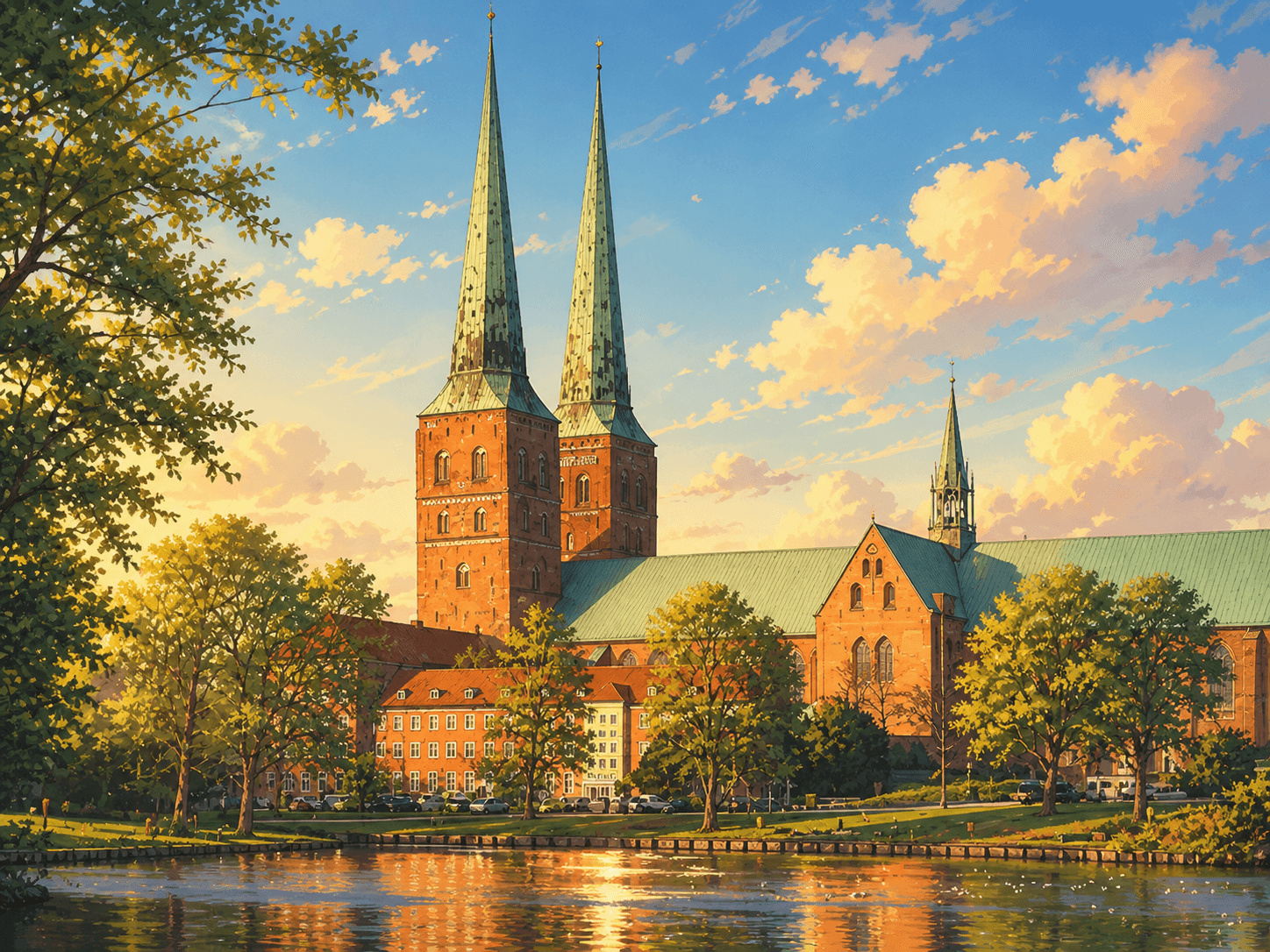
In April 2026, Lübeck focused on structural changes, digital modernization, and personnel decisions within its administration. The Main Committee, Departments, and Advisory Boards set new directions in steering the Hanseatic city. An overview of the most important developments.
Governance in Motion: Structure, Decisions, and Digital Transformation
The Hanseatic city of Lübeck presented itself in April 2026 as a dynamic administration with a clear focus on governance, digitalization, and personnel strategies. Numerous decisions, reports, and initiatives illustrate how the city is optimizing its administrative processes while remaining citizen-oriented.
Structural Change and Decision-Making Processes
In April 2026, several meetings took place that adjusted the governance structure of the Hanseatic city. The Main Committee, chaired by Christopher Lötsch (CDU), and the secretary Tim Landschof were central to the special session on April 9. Here, a personnel decision was made with a two-thirds majority and conducted in a closed session. Participants in the non-public part—among them Oliver Groth and Simone Philipp—demonstrated that decisions in sensitive areas continue to rely on expertise and reliability.
Another central topic was the reform of the main regulations. The new version came into effect on the day of its announcement and replaced the previous main regulations, last revised on February 13, 2025. This reform is part of a broader effort to clarify responsibilities within the administration and increase transparency. The responsibility framework was updated, and new committees such as the Committee on Climate and Security were brought into focus.
Digital Transformation as a Key Topic
Digitalization has become a cross-cutting theme in Lübeck. In April 2026, several projects were in focus that are intended to guide the administration toward becoming a modern, digital service provider.
ERP System and Electronic File
The replacement of the financial system MACH by an ERP system is a milestone. The productive launch is planned for January 1, 2029, and initial preparatory projects such as data migration and interface development are already underway. The administration has also decided to introduce the electronic file in order to optimize processes in areas such as the fine office. Scanning solutions and media-continuous processes increase efficiency.
Open Source and Participation
Another focus is the use of open-source software. The introduction of a project management software named OpenProject is planned and will be rolled out across the city by the end of the second quarter of 2026. In addition, a participation system for children and young people is being developed to strengthen digital involvement.
Smart City and Infrastructure
Lübeck is also active in the Smart City area. The city will be represented at the SCCON 2025 and plans to publish a 3D urban planning data model. The integration of "Art in Public Space" into digital platforms and the optimization of the data connection with the Schleswig-Holstein state portal are further steps toward a more intelligent administration.
Personnel Strategy and Governance Decisions
Personnel policy is another central element of the governance strategy. In the meeting on April 14, 2026, it was decided, among other things, to conduct an EU-wide tender for the cleaning of five municipal schools. In addition, job postings and personnel decisions—such as the dismissal of a department head—were made that are reshaping the structures of the administration.
The Hanseatic city has also demonstrated through the establishment of a new advisory board for digitalization and the creation of a central position for migration and volunteer work that it is relying on broad, participatory governance. With 382 applications for the new Digital Advisory Board, the city is well-positioned to actively shape digital topics.
Outlook: Governance in Transition
Lübeck is moving toward a more transparent, digital, and citizen-oriented administration. The reform of the main regulations, the digitalization of processes, and the personnel realignment show that governance in the Hanseatic city is not static but actively adapts to changing requirements.
The next steps—such as the implementation of the ERP system, the introduction of the electronic file, and the expansion of digital participation—will be crucial to achieving the goals of the governance strategy by 2026. Lübeck has shown in April 2026 that it is ready to remain in transition.
NeoSearch analyses public council documents, committee minutes and municipal announcements. Source references appear automatically once verified meeting data is available.
What does this mean for businesses?
Town halls, fire stations, depots and administrative buildings create early construction and refurbishment opportunities. Following council agendas reveals projects before they go to tender.
Track similar decisions in your region
Set up monitoring for public buildings & administration in Schleswig-Holstein — prefilled from this article.
Set up monitoring →More signals from Luebeck
Economic Boost for Lübeck: Belt Crossing, Energy Cooperation, and Land Policy in April 2026
In April 2026, Lübeck set economic impulses: The Fixed Fehmarn Belt Crossing was discussed as a central growth engine, energy cooperation with Denmark was deepened, and a centrally located plot of land was secured for the future.
Read more → Culture and Community in Lübeck: Outlook for April 2026
In April 2026, Lübeck will be focusing on its cultural outlook. Numerous museums and cultural projects shape the cityscape, while decisions on heritage protection, funding, and educational programs are being made. An overview of the most important developments.
Read more → Lübeck's Urban Development 2026: Where Urban Planning, Climate and Mobility Converge
In April 2026, important decisions on urban development were at the center of attention in Lübeck. From the redesign of Mühlentorplatz through the zoning plan for Moisling to the preservation of green spaces and the future of the Lümo night-time transport: The city's planning shows how closely traffic, infrastructure, climate protection and financial feasibility are interwoven.
Read more →